

[What is Phenolic Resin Powder Handling? What Are the Design Principles?]
Phenolic resin, a thermosetting polymer widely used in industrial applications, presents unique challenges when it comes to powder handling and transportation. Its properties, such as high viscosity, tendency to agglomerate, and potential for dust explosion hazards, require specialized equipment and design approaches to ensure safe, efficient, and reliable operation. This article delves into the fundamental principles behind phenolic resin powder handling systems, highlighting key considerations and best practices for industrial applications.
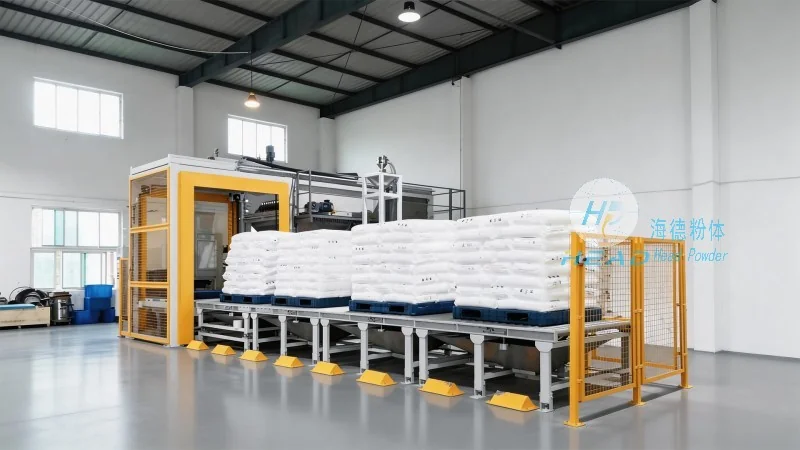
HeadPowder, a leading manufacturer based in Shandong, China, specializes in developing customized powder handling solutions tailored to the specific demands of phenolic resin processing. With years of expertise in material handling technology, the company focuses on addressing the inherent challenges associated with phenolic resin, including its abrasive nature, moisture sensitivity, and the need for strict contamination control. By integrating advanced engineering principles and robust design, HeadPowder ensures that their systems meet the highest standards of safety, efficiency, and durability.
Key Design Principles for Phenolic Resin Powder Handling Systems
The design of a phenolic resin powder handling system involves a comprehensive approach that addresses both the material's physical and chemical characteristics. One of the primary considerations is the prevention of material degradation and contamination. Phenolic resins are sensitive to moisture and can absorb water, which may lead to premature curing or reduced performance. Therefore, all components of the handling system, including hoppers, conveyors, and storage tanks, must be constructed from materials that are resistant to chemical attack and moisture ingress. Stainless steel, corrosion-resistant alloys, and specialized coatings are commonly used to protect against degradation.
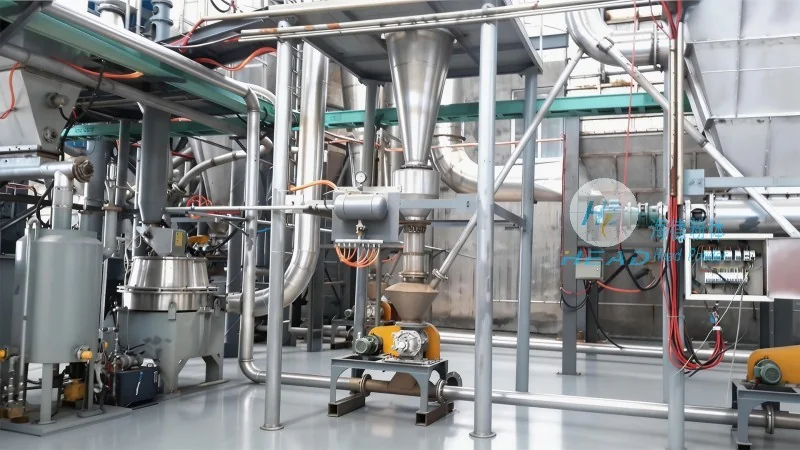
Another critical design principle is the prevention of dust accumulation and the mitigation of explosion risks. Phenolic resin powders are classified as combustible dusts, and the design must incorporate explosion-proof features. This includes the use of explosion venting, flame arrestors, and intrinsically safe electrical components. The system's layout should also minimize the formation of dust clouds by ensuring smooth material flow and avoiding dead zones where powder can settle and accumulate.
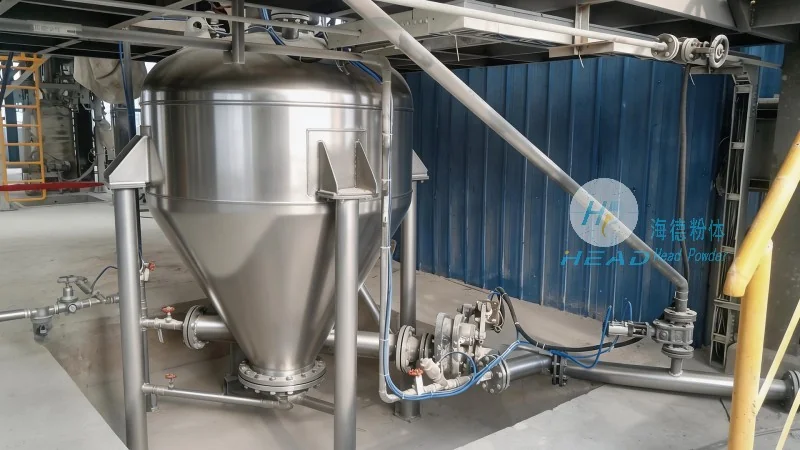
Efficient material flow is another key aspect of design. Phenolic resins can be prone to bridging and rat-holing in hoppers, which can cause uneven discharge and system downtime. To address this, the design incorporates features such as cone-shaped hoppers, vibratory feeders, and air-assisted discharge systems. These components help to break up agglomerates and maintain a consistent flow rate, ensuring that the material is transported smoothly through the system without interruption.
Equipment Selection and Integration in Phenolic Resin Handling
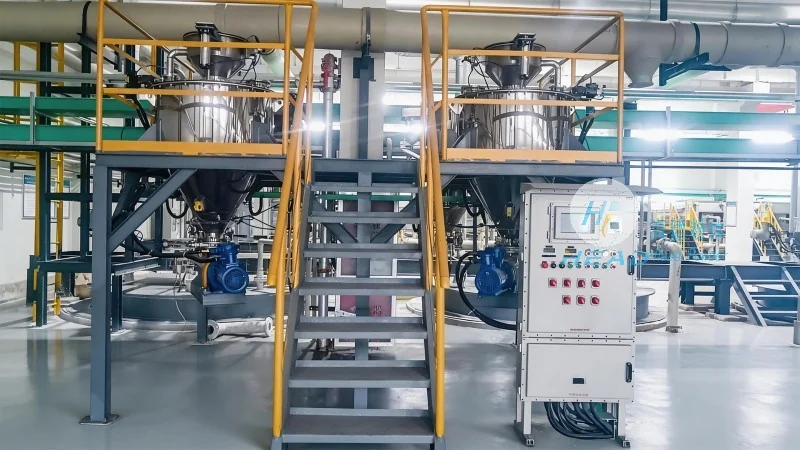
HeadPowder's approach to equipment selection is centered on matching the right components to the specific requirements of phenolic resin processing. For example, when choosing conveyors, the company considers factors such as the material's bulk density, flowability, and the need for gentle handling to prevent degradation. Screw conveyors are often preferred for their ability to handle abrasive materials without causing excessive wear, while pneumatic conveying systems are used for longer distances or when the material is highly sensitive to mechanical stress.
The integration of various components, such as feeders, conveyors, and storage vessels, is also a critical design consideration. A well-designed system ensures that each component works in harmony to maintain a consistent flow rate and prevent bottlenecks. HeadPowder employs advanced control systems that monitor the system's performance in real-time, allowing for adjustments to be made to maintain optimal operation. This includes sensors for level monitoring, flow rate measurement, and temperature control, which are essential for maintaining the quality and stability of the phenolic resin.
Ensuring Safety and Compliance in Phenolic Resin Handling
Given the hazardous nature of phenolic resin powders, safety is a top priority in the design and operation of handling systems. HeadPowder adheres to international safety standards, such as those outlined by the National Fire Protection Association (NFPA) and the European Union's ATEX directive, to ensure that their systems are compliant with regulatory requirements. This includes regular maintenance, inspection, and testing of all components to identify and mitigate potential risks.
The company also emphasizes the importance of operator safety. The design incorporates features such as enclosed systems, local exhaust ventilation, and emergency stop mechanisms to minimize exposure to dust and fumes. Additionally, the use of automated controls reduces the need for manual handling, further enhancing safety and reducing the risk of accidents.
Conclusion: Tailored Solutions for Phenolic Resin Handling
Phenolic resin powder handling requires a sophisticated approach that balances the material's unique properties with the need for efficient, safe, and reliable operation. HeadPowder, with its expertise in material handling technology and commitment to quality, provides customized solutions that address the specific challenges of phenolic resin processing. By adhering to sound design principles, selecting appropriate equipment, and prioritizing safety, the company ensures that its systems deliver optimal performance and contribute to the success of industrial applications.