

What is Clinker Fly Ash Powder Conveying? What are the Design Principles?
Clinker fly ash powder conveying is a specialized material handling process integral to the cement and construction sectors. It involves the transportation of fine powders, such as clinker and fly ash, from storage facilities to processing units. This method is pivotal for optimizing production efficiency, reducing operational costs, and maintaining the consistent quality of cement products. The design principles underpinning these conveying systems are meticulously crafted to address the unique physical and chemical properties of clinker and fly ash, ensuring reliable and low-maintenance operation.
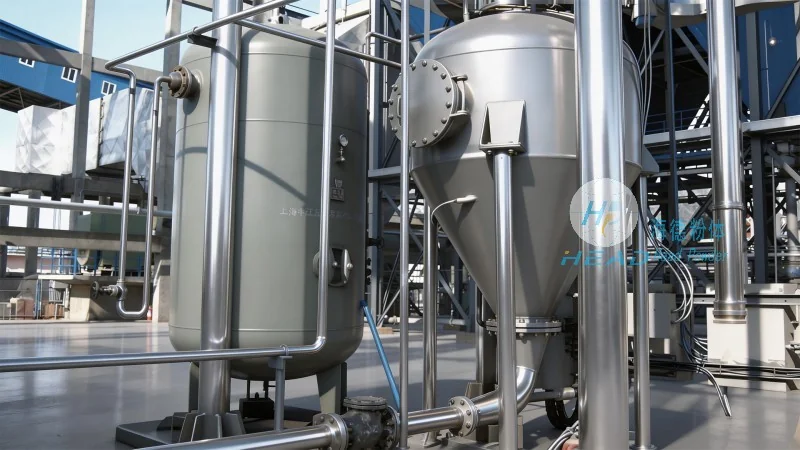
Defining Clinker and Fly Ash: The Primary Materials
Clinker, a fundamental component in cement production, is produced by heating limestone and clay at high temperatures, resulting in a hard, granular material that provides the binding properties essential for concrete. Fly ash, a byproduct of coal combustion in power plants, consists of fine particulate matter that can be utilized as a supplementary cementitious material in concrete. Both materials are typically handled as powders, making efficient conveying systems indispensable for their integration into the cement manufacturing process. The fineness, density, and flow characteristics of these powders dictate the type of conveying equipment required and the overall system design.
The Significance of Efficient Powder Conveying
Efficient clinker and fly ash powder conveying directly impacts the productivity and cost-effectiveness of cement plants. Traditional conveying methods, including bucket elevators and pneumatic systems, may encounter challenges with the high volume and fine nature of these powders, leading to material loss, increased energy consumption, or inconsistent flow rates. Modern solutions, such as those offered by Shandong HeadPowder Engineering Co., Ltd., leverage advanced engineering to overcome these challenges. The objective is to minimize operational costs, enhance material handling reliability, and ensure the quality of the final cement product remains uncompromised.
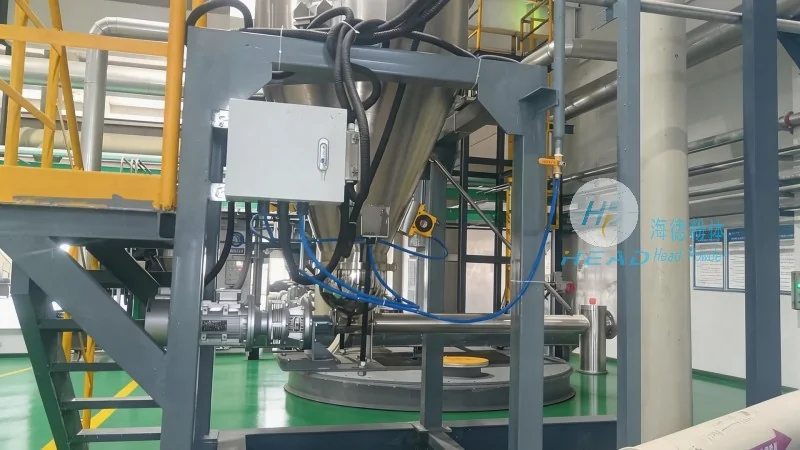
Core Design Principles for Clinker Fly Ash Conveying
The design of clinker and fly ash powder conveying systems revolves around several critical principles to achieve optimal performance. First, the system must accommodate the particle size distribution and flowability of the materials. Clinker and fly ash particles vary in size and density, and their behavior under different conditions—such as moisture content or temperature—can significantly affect conveying efficiency. Engineers select equipment like screw conveyors, pneumatic ducts, or bucket elevators based on these characteristics. For instance, screw conveyors are ideal for horizontal transport of bulk powders, while pneumatic systems excel in long-distance or vertical transport.
Second, the system design considers the conveying distance and elevation changes. For long-distance or vertical transport, vertical screw conveyors or high-pressure pneumatic systems are employed to maintain consistent flow. The design also incorporates measures to prevent material segregation, which can occur when different particle sizes or densities are present. This is achieved through proper hopper design, material feed mechanisms, and speed control, ensuring a uniform mixture of clinker and fly ash.
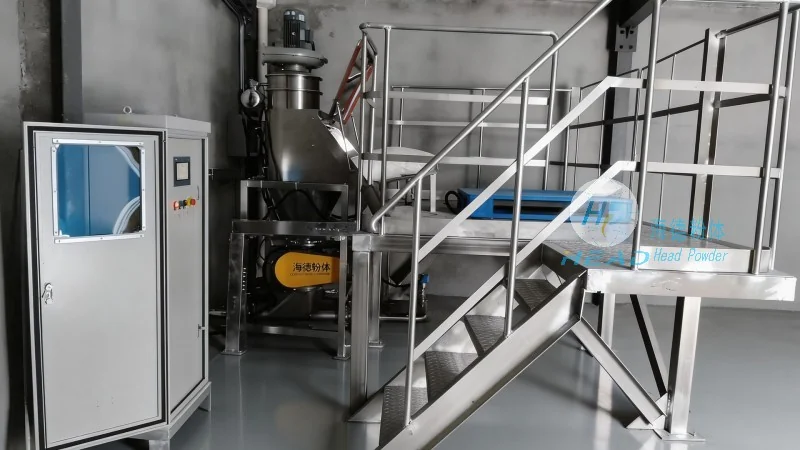
Third, energy efficiency is a paramount design consideration. Modern systems utilize variable speed drives and energy-efficient motors to reduce power consumption. Additionally, sealed and insulated ducts minimize heat loss and prevent moisture absorption, which can degrade the quality of the powders. Maintenance-friendly designs, including easy access to components and self-cleaning mechanisms, are integral to the overall system performance, reducing downtime and maintenance costs.
Integration in Cement Production Processes
In cement plants, clinker and fly ash are typically conveyed from storage silos to grinding mills or mixing stations. The conveying system must be seamlessly integrated with the existing production line to ensure smooth material flow. For example, a screw conveyor may transport clinker from a storage silo to a ball mill, while a pneumatic system conveys fly ash from a separate silo to the same mixing point. The design must account for varying flow rates required at different stages of production, ensuring both materials are available in the correct proportions for cement production. This integration is crucial for maintaining the consistency of the final product and meeting production targets.
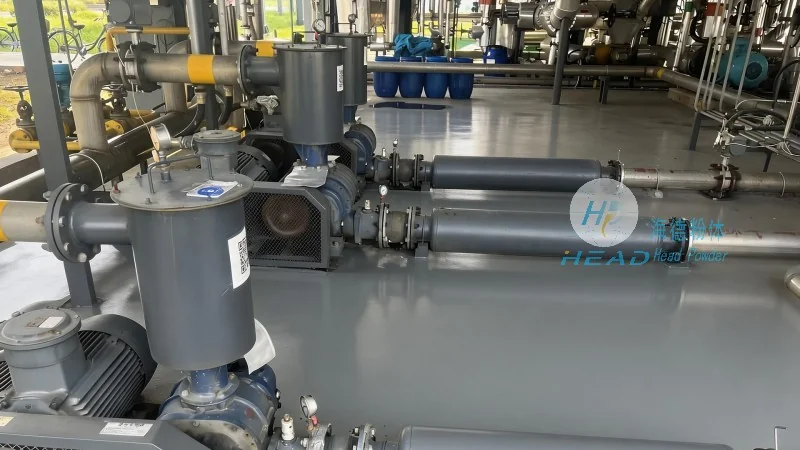
Shandong HeadPowder Engineering Co., Ltd.: A Leader in Powder Conveying Solutions
Shandong HeadPowder Engineering Co., Ltd. is a prominent provider of customized powder conveying solutions for the cement industry. With decades of experience, the company specializes in designing and manufacturing systems tailored to the unique needs of clinker and fly ash handling. The company’s team of engineers leverages advanced technology and industry best practices to develop solutions that meet the highest standards of efficiency, reliability, and safety. HeadPowder’s products are recognized for their durability, low maintenance requirements, and ability to handle the demanding conditions of cement production. The company’s headquarters are located in Shandong, China, where it serves clients globally with innovative and cost-effective solutions.
Conclusion: The Impact of Design Principles on Material Handling
Efficient clinker and fly ash powder conveying is essential for the modern cement industry, and the design principles behind these systems are critical to achieving optimal performance. By understanding the unique properties of clinker and fly ash, and applying advanced engineering solutions, companies like Shandong HeadPowder Engineering Co., Ltd. can ensure reliable, cost-effective material handling. The integration of these principles into the design of conveying systems not only improves operational efficiency but also contributes to the overall sustainability and competitiveness of cement production. As the industry evolves, the importance of robust and efficient powder conveying systems will continue to grow, making the design principles outlined above more relevant than ever.