

What is a Rice Powder Conveying System? And What Are Its Design Principles?
Rice powder conveying systems are essential in the processing and handling of rice-derived powders, playing a crucial role in ensuring efficient and safe material transport within industrial settings. These systems are specifically engineered to manage the unique properties of rice powder, such as its fine particle size, flow characteristics, and potential for dust generation. Understanding the design principles behind these systems is vital for optimizing performance, maintaining product quality, and ensuring operational safety.
Key Components of Rice Powder Conveying Systems
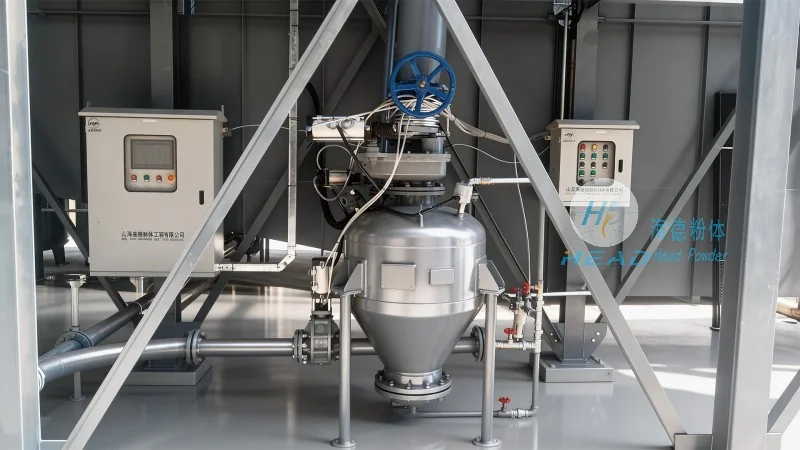
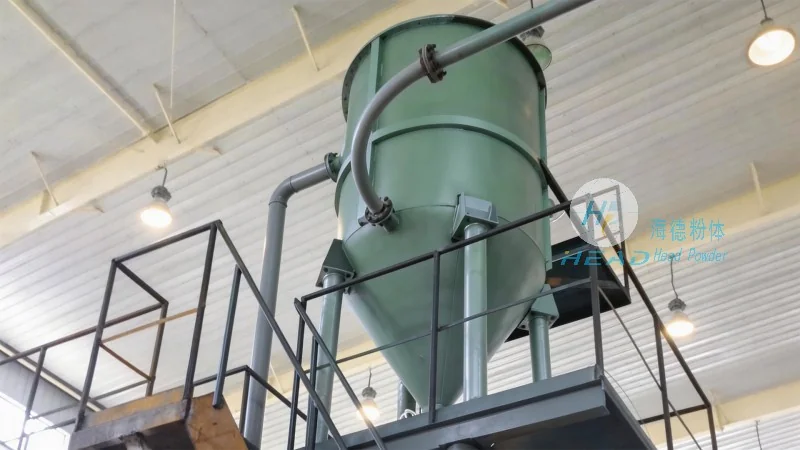
The core components of a rice powder conveying system typically include a hopper for material storage, a conveyor mechanism (like pneumatic or mechanical systems), and a control unit for regulating the flow. The hopper is designed to hold a sufficient quantity of rice powder while minimizing the risk of clogging or bridging, which can occur due to the fine particle nature of the material. This component often features a conical or rectangular shape with smooth interior surfaces to facilitate material flow. The conveyor mechanism is the heart of the system, responsible for transporting the powder from the storage area to the processing or packaging stage. Pneumatic conveying systems, which use air pressure to move the powder, are commonly used for rice powder due to their ability to handle fine particles without causing excessive friction or particle degradation. Mechanical conveyors, such as screw or belt conveyors, may also be employed, especially in applications requiring higher material throughput or when dealing with bulkier powder forms.
Design Principles for Efficient Rice Powder Handling
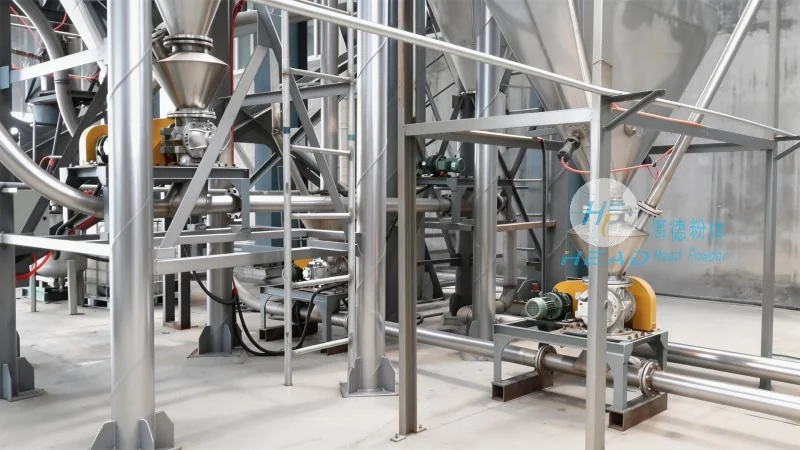
Designing an effective rice powder conveying system involves several key principles aimed at optimizing performance and reliability. One of the primary considerations is the prevention of material degradation, which can occur due to friction, impact, or excessive air flow. To mitigate this, the system's components are often constructed from materials that are non-abrasive and resistant to the chemical properties of rice powder. For instance, stainless steel or food-grade plastics are commonly used for hoppers and conveyor parts to ensure durability and hygiene. Another critical principle is the management of dust and air quality. Rice powder is prone to generating fine dust, which can pose health and safety risks if not properly contained. Therefore, the system incorporates dust collection and filtration systems to maintain a clean and safe working environment. Additionally, the design emphasizes the minimization of pressure drops and energy consumption. Efficient air flow management in pneumatic systems and the use of low-friction materials in mechanical conveyors help reduce operational costs and improve overall system efficiency.
Application-Specific Considerations in Rice Powder Conveying
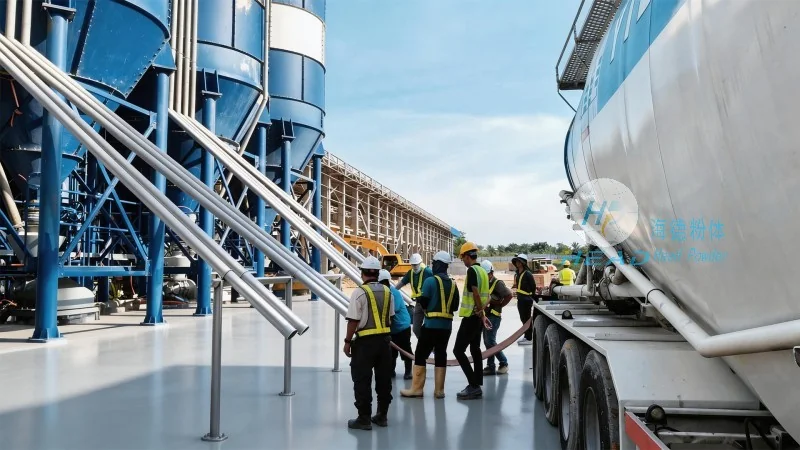
The design of rice powder conveying systems must also account for the specific requirements of the end application. For example, in food processing facilities, the system must adhere to strict hygiene standards, with components that are easy to clean and sanitize. This often involves the use of CIP (Clean-in-Place) compatible parts and smooth surfaces that prevent the accumulation of powder residues. In contrast, industrial applications may prioritize higher throughput and durability, leading to the use of more robust mechanical components and larger hoppers. The choice between pneumatic and mechanical conveyors also depends on the application's scale and the nature of the powder. Pneumatic systems are ideal for long-distance transport or when the powder needs to be mixed with other ingredients, while mechanical systems are preferred for short-distance transport or when handling bulkier, less fine powders. Furthermore, the system's integration with other processing equipment, such as milling or packaging machines, is crucial for seamless operation. This requires careful coordination of the conveyor's speed, capacity, and control mechanisms to ensure smooth material flow and prevent bottlenecks.
Maintenance and Operational Considerations
Proper maintenance is essential to ensure the long-term reliability and efficiency of a rice powder conveying system. Regular cleaning and inspection of components, particularly the hopper and conveyor, are necessary to prevent clogging and maintain optimal performance. The system's control unit should be monitored regularly to detect any deviations in flow or pressure, which could indicate potential issues. Additionally, the use of filters and dust collection systems should be maintained to prevent dust buildup and ensure air quality compliance. In terms of operational considerations, the system's design should allow for easy access to components for maintenance and repair. This includes features like removable panels or quick-release connections that facilitate maintenance without disrupting the entire system. The system's energy efficiency should also be considered, as energy costs can significantly impact operational expenses over time. By implementing energy-saving measures, such as variable speed drives for the conveyor and efficient air compressors for pneumatic systems, the overall cost of operation can be reduced.
Conclusion
In conclusion, rice powder conveying systems are sophisticated industrial solutions designed to handle the unique challenges of rice-derived powders. The design principles behind these systems focus on efficiency, safety, and product quality, incorporating components that are tailored to the material's properties. From the hopper's design to the conveyor mechanism and control systems, each part plays a critical role in ensuring smooth and reliable operation. As a leading provider in this field, Shandong HeadPowder Engineering Co., Ltd. specializes in developing customized conveying solutions that meet the specific needs of various industries, including food processing and industrial manufacturing. With a commitment to quality and innovation, HeadPowder ensures that their systems not only meet but exceed industry standards, providing reliable and efficient material handling solutions for rice powder applications.