

What is a Coal Ash Powder Conveying System? And What Are Its Design Principles?
Coal ash, a byproduct of coal combustion in thermal power plants, is a versatile material with applications in construction, road construction, and industrial processes. However, the efficient and safe transportation of this fine powder from storage silos to processing sites requires specialized engineering solutions. This article delves into the components, operational principles, and design considerations of coal ash powder conveying systems, highlighting the expertise of Shandong HeadPowder Engineering Co., Ltd. in developing reliable and efficient systems for coal ash handling.
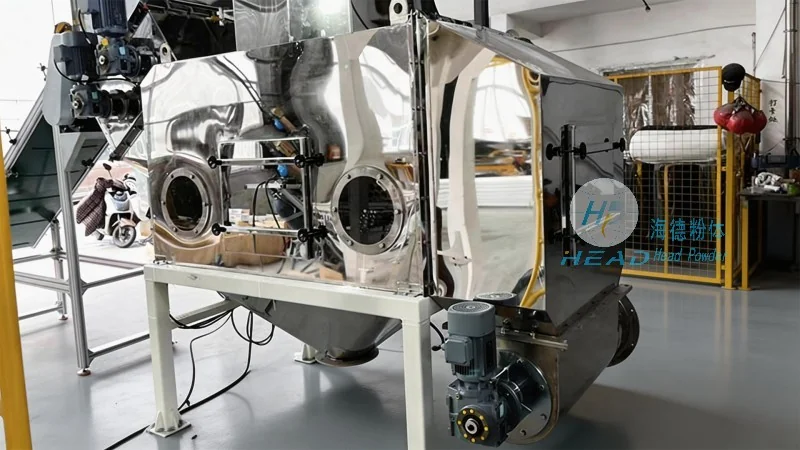
Key Components of a Coal Ash Powder Conveying System
A robust coal ash powder conveying system comprises several essential parts that work together to ensure smooth material transport. The primary components include a storage hopper or silo, a feeder or metering device, a conveying mechanism (such as a screw conveyor, pneumatic pipeline, or belt conveyor), and a control system. The storage hopper is designed to hold large volumes of coal ash while minimizing dust generation. The feeder regulates the flow rate of the material, ensuring a consistent supply to the conveyor. The conveying mechanism transports the ash from the source to the destination, with each type offering advantages based on distance, capacity, and layout. The control system monitors and adjusts the entire process, enhancing safety and efficiency.
Design Principles for Efficient Coal Ash Transport
The design of a coal ash powder conveying system must address several critical factors to achieve optimal performance. First, the system must handle the high moisture content and fine particle size of coal ash, which can lead to caking and blockages. Engineers at Shandong HeadPowder Engineering Co., Ltd. utilize advanced materials and construction techniques, such as wear-resistant linings and corrosion-resistant coatings, to mitigate these issues. Second, the system must maintain a consistent flow rate to prevent overloading of downstream equipment. This is achieved through precise control of the feeder and conveyor speed, often integrated with sensors that monitor pressure, flow, and temperature. Third, the system must comply with safety and environmental regulations, including dust suppression measures and proper ventilation. By addressing these factors, the design ensures reliable operation and minimal environmental impact.
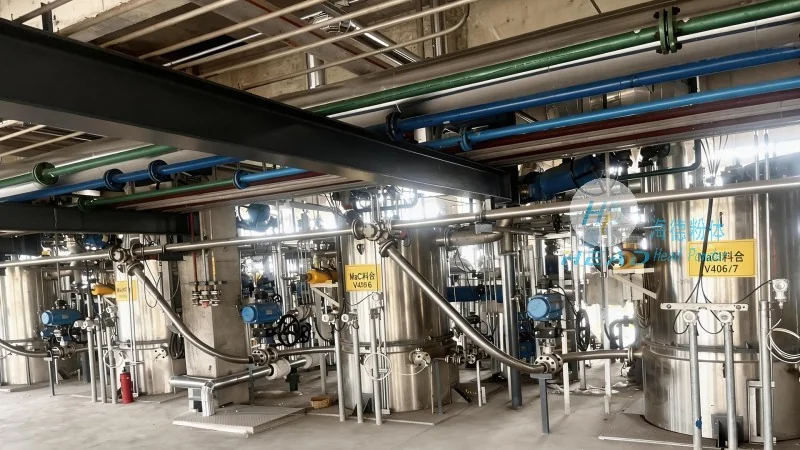
Types of Conveying Mechanisms for Coal Ash
Different conveying methods are employed in coal ash powder systems, each suited to specific operational requirements. Screw conveyors are commonly used for horizontal or slight incline transport due to their simplicity and low cost. They are ideal for short distances and moderate capacities, but may not be suitable for long-distance or high-capacity applications. Pneumatic conveyors, which use air pressure to move the powder through a pipeline, offer greater flexibility in layout and can transport materials over longer distances. They are particularly effective for handling fine powders and can be integrated with dust collection systems. For large-scale operations, belt conveyors are often preferred, providing high throughput and durability. They are suitable for both horizontal and inclined transport and can handle large volumes of material efficiently. The choice of mechanism depends on factors such as the distance between the source and destination, the required capacity, and the available space at the site.
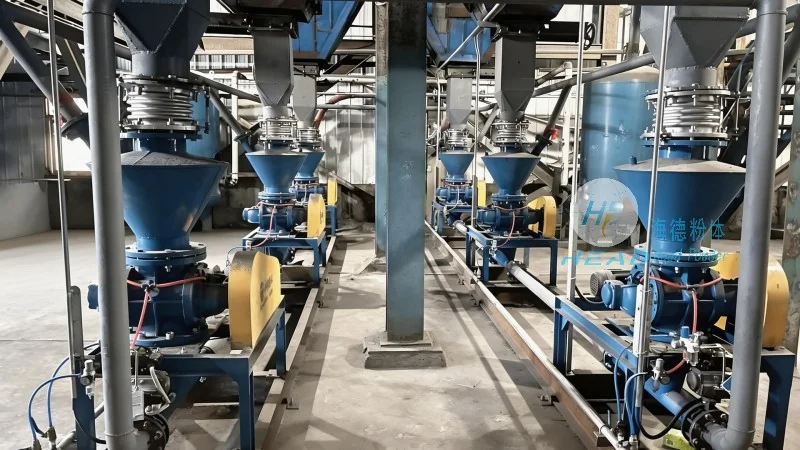
Control and Monitoring Systems in Coal Ash Conveying
Modern coal ash powder conveying systems incorporate advanced control and monitoring technologies to enhance operational efficiency and safety. These systems typically include sensors for measuring flow rate, pressure, and temperature, as well as alarms and automatic shut-off mechanisms to prevent equipment failure or overloading. The control panel, equipped with a user-friendly interface, allows operators to adjust parameters such as conveyor speed and feeder output in real-time. Data logging and analysis tools help identify trends and optimize performance over time, enabling predictive maintenance and reducing downtime. Additionally, the integration of safety features, such as emergency stop buttons and interlocks, ensures compliance with industrial safety standards. The expertise of Shandong HeadPowder Engineering Co., Ltd. in implementing these technologies has resulted in systems that operate reliably and meet the stringent requirements of industrial applications.
Applications and Benefits of Coal Ash Powder Conveying Systems
The efficient transport of coal ash is crucial for maximizing its utilization in construction and other industries. By using a well-designed conveying system, power plants can reduce the cost of disposal and convert a waste product into a valuable resource. The systems also help minimize environmental impact by preventing dust emissions and ensuring that the ash is handled in a controlled manner. Furthermore, the consistent supply of coal ash to processing facilities improves the quality of end products, such as concrete and asphalt, by maintaining uniform material characteristics. The expertise of Shandong HeadPowder Engineering Co., Ltd. in designing and manufacturing these systems has enabled many power plants and industrial facilities to achieve significant operational and economic benefits. For example, a power plant in Shandong, China, implemented a coal ash conveying system from HeadPowder and reported a 20% reduction in material handling costs and improved product quality in their concrete production.