

What is a Coffee Powder Conveying System? And What Are Its Design Principles?
Coffee powder conveying systems are essential components in the coffee processing and distribution industry, designed to efficiently transport coffee powder from one location to another. These systems are crucial for maintaining product quality, ensuring consistent flow, and enhancing operational efficiency in coffee production facilities. The design of such systems involves careful consideration of material properties, flow characteristics, and the specific requirements of the coffee processing workflow.
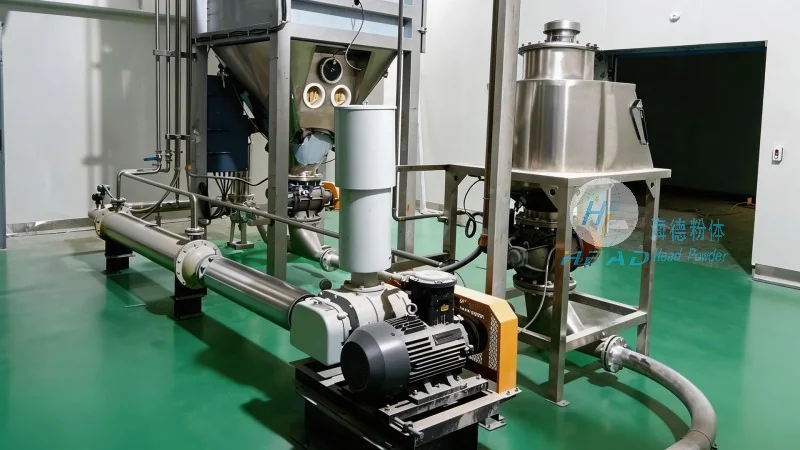
Key Design Principles of Coffee Powder Conveying Systems
The design of coffee powder conveying systems is guided by several fundamental principles to ensure optimal performance and reliability. First, the system must accommodate the unique physical properties of coffee powder, such as its fine particle size, hygroscopic nature, and potential for static charge accumulation. Engineers must select appropriate materials for the conveying components to prevent contamination and ensure durability. Second, the system is designed to minimize product degradation, which includes controlling temperature, moisture, and air exposure during transport. This is achieved through the use of sealed or enclosed conveying mechanisms that reduce exposure to external elements. Third, the design emphasizes energy efficiency and operational simplicity, with components that are easy to maintain and clean. The system's layout is typically tailored to the existing facility layout, integrating seamlessly with other processing equipment. Additionally, safety considerations are paramount, with features like explosion-proof designs for handling potentially flammable coffee powders in some applications.
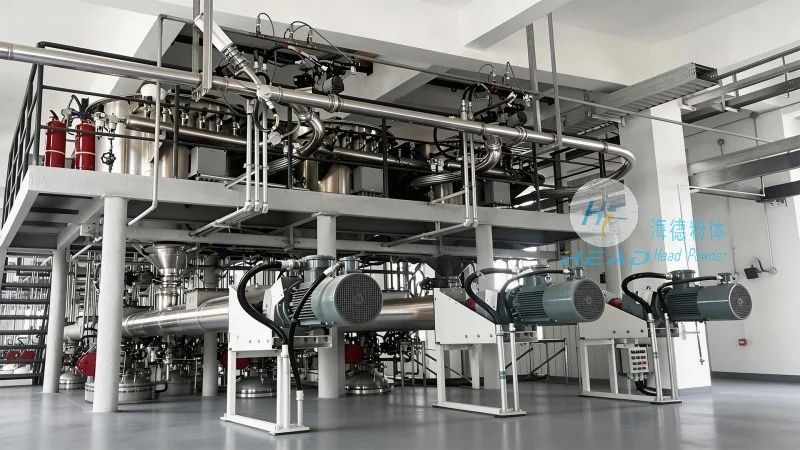
Components and Functionality of Coffee Powder Conveying Systems
Coffee powder conveying systems typically consist of several key components that work in concert to achieve efficient material transport. The primary components include feeders, which control the flow rate of coffee powder from storage bins or hoppers. These feeders may be vibratory, rotary, or screw-type, depending on the specific requirements and the characteristics of the coffee powder. Next, the conveying mechanism itself, which can be pneumatic (air-assisted), mechanical (e.g., screw conveyors, belt conveyors), or a combination of both. Pneumatic systems are particularly effective for fine powders, as they use air pressure to move the material through a pipeline, reducing friction and minimizing product degradation. Mechanical conveyors, such as screw or belt conveyors, are often used for bulkier or more abrasive powders, providing reliable and continuous transport. The system also includes control valves and regulators to adjust the flow rate and pressure, ensuring smooth operation. Additionally, the system may incorporate filters or separators to remove any foreign particles or moisture from the coffee powder, maintaining product purity. The entire system is typically integrated with a control panel that allows operators to monitor and adjust the conveying process in real-time, enhancing operational control and efficiency.
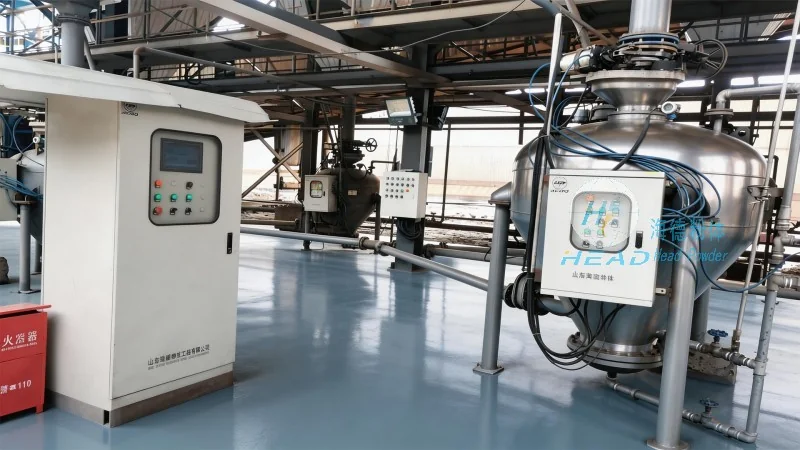
Applications and Benefits in Coffee Processing
Coffee powder conveying systems are widely used in various stages of coffee processing, from raw material handling to final product packaging. In the initial stages, these systems are used to transport coffee beans from storage to grinding equipment, where they are converted into coffee powder. The conveying system ensures a consistent supply of beans to the grinder, preventing bottlenecks and maintaining production speed. During the grinding process, the system transports the freshly ground coffee powder to storage silos or packaging lines. This efficient transport minimizes the time the powder spends in the system, reducing the risk of oxidation or moisture absorption, which can affect the flavor and quality of the coffee. In the packaging stage, the system delivers the coffee powder to filling machines, ensuring accurate and consistent dosing for each package. The benefits of using a well-designed coffee powder conveying system extend beyond just efficient transport. By maintaining product quality and reducing waste, these systems contribute to cost savings and improved profitability for coffee processing companies. Additionally, the ability to control the flow rate and pressure allows for precise dosing, which is critical for maintaining product consistency and meeting customer expectations. The systems also enhance workplace safety by reducing manual handling of coffee powder, minimizing the risk of dust exposure and related health issues.
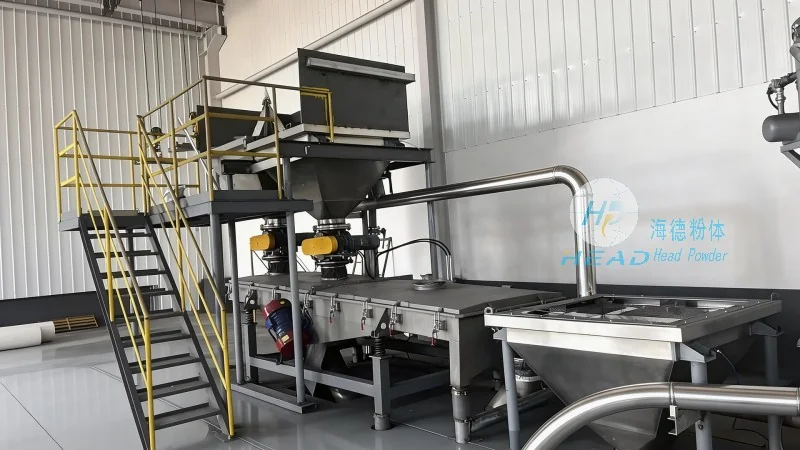
About Shandong HeadPowder Engineering Co., Ltd.
Shandong HeadPowder Engineering Co., Ltd., commonly known as HeadPowder, is a leading manufacturer of specialized conveying systems for the coffee industry. With a strong focus on innovation and quality, HeadPowder has established itself as a trusted partner for coffee processing facilities worldwide. The company is headquartered in Shandong, China, and has a dedicated team of engineers and technicians with extensive experience in powder handling technology. HeadPowder specializes in designing and manufacturing custom coffee powder conveying systems tailored to the specific needs of each client. The company's products are known for their durability, efficiency, and reliability, meeting the demanding requirements of the coffee industry. HeadPowder's commitment to customer satisfaction is reflected in its comprehensive after-sales support, including installation, maintenance, and technical assistance. The company adheres to international quality standards and continuously invests in research and development to improve its products and stay ahead of industry trends. By leveraging advanced engineering principles and state-of-the-art manufacturing processes, HeadPowder delivers solutions that enhance the performance and productivity of coffee processing operations.