

What is a Polyethylene Powder Handling System? And What Are Its Design Principles?
Understanding the fundamentals of polyethylene powder handling systems is crucial for industries that rely on efficient material transport and processing. These systems are engineered to manage the unique challenges associated with polyethylene powders, such as their flow characteristics, dust control, and system integration. In this article, we explore the core components, design principles, and operational benefits of polyethylene powder handling systems, providing a comprehensive overview for professionals in the field.
Key Components of a Polyethylene Powder Handling System
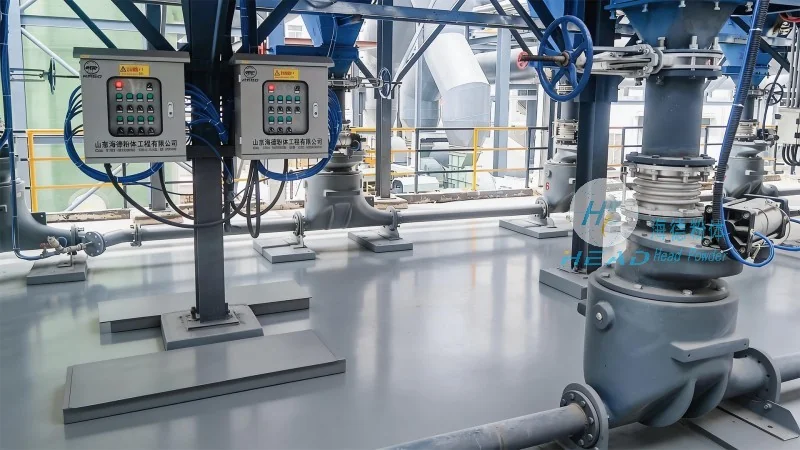
The effectiveness of a polyethylene powder handling system hinges on its integrated components, each designed to address specific operational needs. A typical system includes a hopper or feeder to control the flow of polyethylene powder, conveying equipment like screw conveyors or pneumatic pipelines to transport the material, and a dust collection system to ensure environmental compliance and worker safety. The hopper is often equipped with a rotary valve or gate valve to regulate the discharge rate, preventing material bridging or caking—a common issue with polyethylene powders due to their cohesive properties. Conveying systems may use positive displacement or pneumatic methods, depending on the material's density and the required transport distance. Dust collection systems, such as baghouses or cartridge filters, are critical for capturing fine polyethylene particles, which can pose health risks and environmental hazards if not properly managed.
Design Principles for Optimal Performance
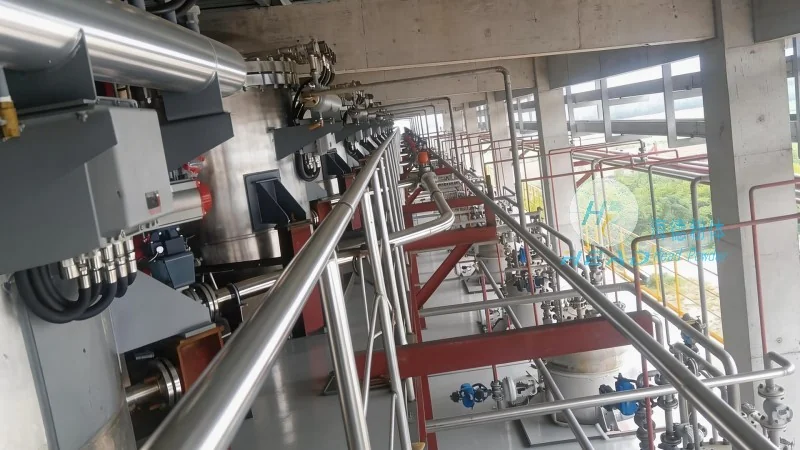
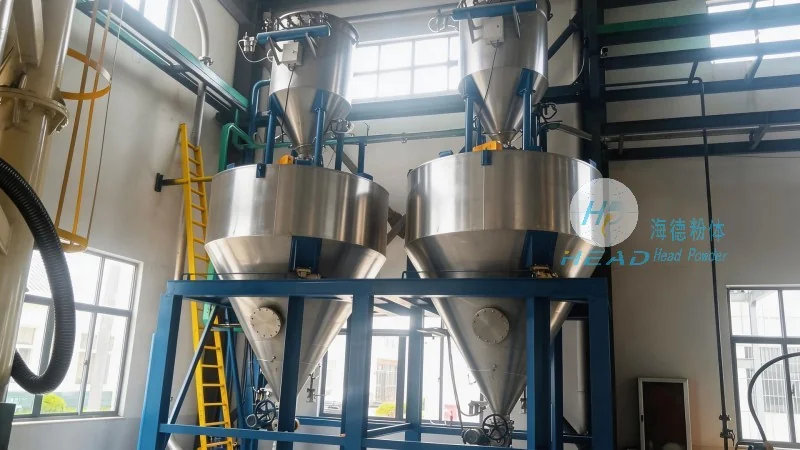
Designing a polyethylene powder handling system requires careful consideration of several key principles to ensure reliability, efficiency, and safety. First, material compatibility is paramount: all components must be resistant to polyethylene's chemical properties and potential abrasion. Stainless steel or specialized plastics are often used for hoppers and conveyors to prevent corrosion and material buildup. Second, flow control is essential to prevent issues like bridging, rat-holing, or agglomeration. This is achieved through proper hopper design, including conical or wedge-shaped bases, and the use of flow aids like vibrators or air knives. Third, dust control is a critical design consideration. Systems must incorporate effective filtration and ventilation to minimize airborne particles, adhering to occupational health and safety regulations. Additionally, system integration is vital—coordination with upstream and downstream processes, such as mixing or extrusion, ensures seamless operation and reduces downtime.
Operational Benefits and Applications
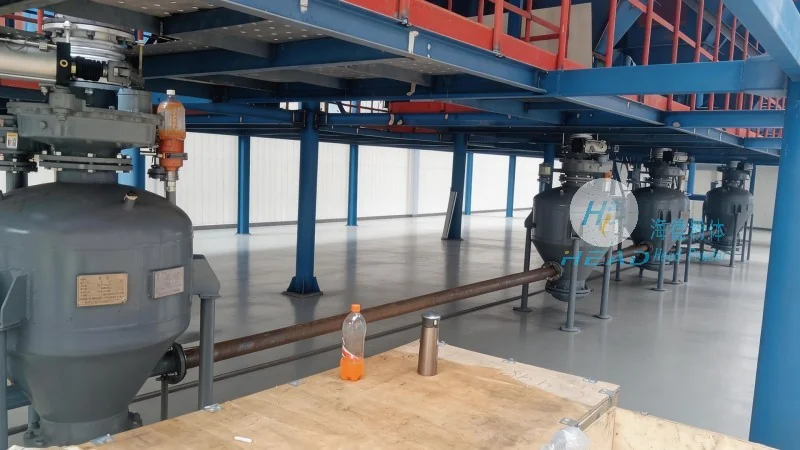
Implementing a well-designed polyethylene powder handling system offers numerous benefits for industrial operations. Improved material flow reduces downtime caused by clogging or bridging, leading to increased productivity. Effective dust control enhances workplace safety and compliance with environmental standards, protecting both personnel and the environment. The modular design of these systems allows for scalability, enabling businesses to expand their operations as demand grows. Furthermore, advanced systems may include automation features, such as level sensors or variable speed drives, to optimize performance and reduce labor costs. Industries that commonly use polyethylene powder handling systems include plastics manufacturing, pharmaceuticals, and food processing, where precise material transport is essential for product quality and consistency.
Conclusion
Polyethylene powder handling systems are sophisticated solutions that address the unique challenges of transporting and processing polyethylene powders. By understanding the key components, design principles, and operational benefits, businesses can select and implement systems that enhance efficiency, safety, and productivity. As a leading provider in the industry, Shandong HeadPowder Engineering Co., Ltd. specializes in designing and manufacturing customized polyethylene powder handling systems tailored to the specific needs of each client, ensuring optimal performance and reliability in diverse industrial applications.