

What Are Sugar Powder Conveying Equipment? And What Are Their Design Principles?
When it comes to the efficient handling and transportation of sugar powders in industrial settings, specialized equipment plays a crucial role. This article explores the concept of sugar powder conveying equipment, detailing its functions and the underlying design principles that enable its operation. The information is presented by Shandong HeadPowder Engineering Co., Ltd., a company based in Shandong, China, with expertise in engineering solutions for powder handling systems.
Understanding Sugar Powder Conveying Equipment
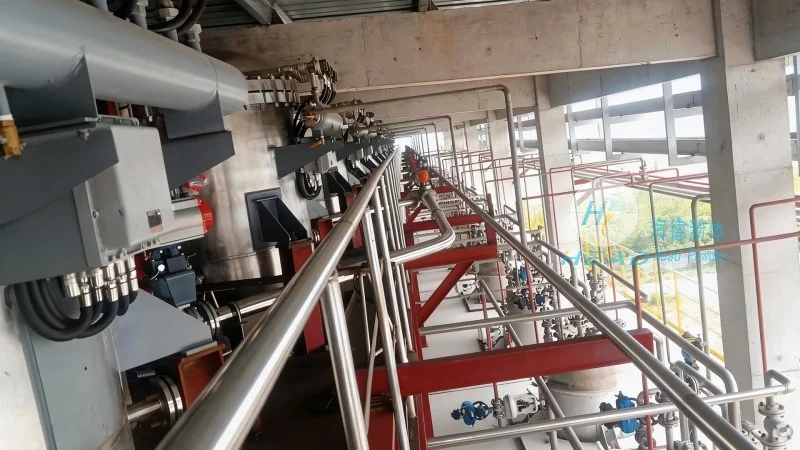
Sugar powder conveying equipment is specifically designed to transport granular or powdered sugar from one location to another within a processing facility. These systems are essential in sugar production, refining, and distribution processes, where the consistent and reliable movement of sugar is critical for maintaining production efficiency and product quality. The equipment typically operates by using mechanical or pneumatic methods to move the sugar powder through pipelines or other conduits, ensuring that it reaches its intended destination without degradation or loss.
Key Components and Functions of Conveying Systems
At the core of sugar powder conveying equipment are several key components that work in tandem to achieve effective transportation. These components include feeders, conveyors, and control systems, each playing a vital role in the overall operation. Feeders are responsible for regulating the flow of sugar powder into the conveying system, ensuring a consistent and controlled feed rate. Conveyors, which can be of various types such as screw conveyors, pneumatic conveyors, or bucket elevators, are the primary mechanisms that move the sugar powder through the system. Control systems, often integrated with sensors and automation technology, monitor the flow and adjust the operation of the equipment as needed to maintain optimal performance.
Design Principles for Efficient Sugar Powder Conveying
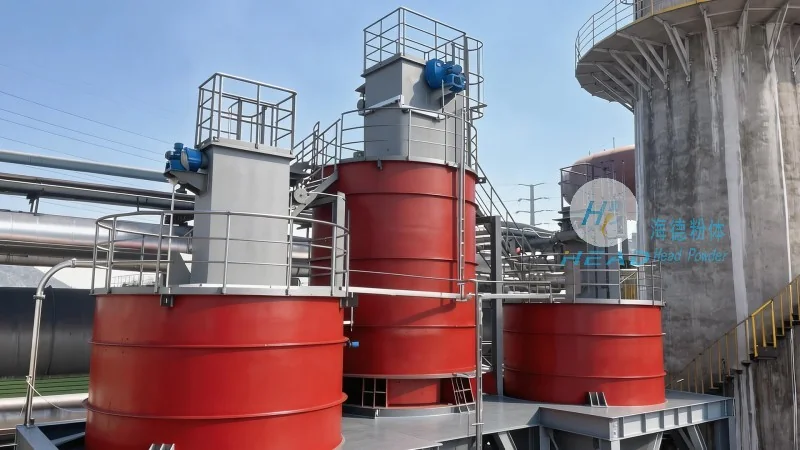
The design of sugar powder conveying equipment is guided by several fundamental principles aimed at maximizing efficiency, minimizing product damage, and ensuring operational safety. One of the primary design considerations is the prevention of material buildup and blockages, which can occur due to the cohesive nature of sugar powders. Engineers employ smooth surfaces, appropriate angles of inclination, and anti-static measures to mitigate these issues. Additionally, the equipment is designed to handle the specific physical properties of sugar, such as its moisture content and particle size distribution, to ensure that the conveying process does not cause caking or agglomeration. The use of materials that are resistant to corrosion and wear is also a critical design aspect, as sugar can be abrasive and may contain acidic components that could degrade certain materials over time.
Applications and Benefits of Sugar Powder Conveying Equipment
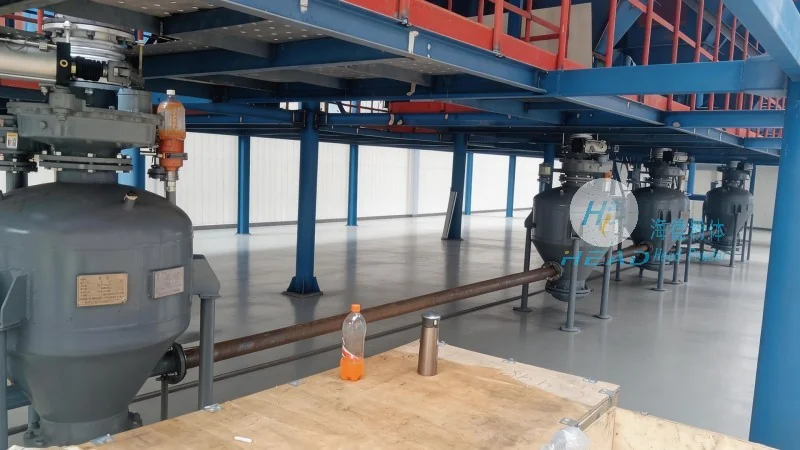
Sugar powder conveying equipment finds applications across various stages of the sugar industry, from raw sugar processing to final product packaging. In refineries, these systems are used to transport raw sugar to processing units, while in food manufacturing, they facilitate the integration of sugar into other products. The benefits of using specialized conveying equipment include improved process control, reduced labor costs, and enhanced product quality. By ensuring that sugar is moved in a controlled manner, the equipment helps to maintain the purity and consistency of the final product, which is essential for meeting industry standards and customer expectations.
Conclusion and Company Overview
In conclusion, sugar powder conveying equipment is a vital component of modern sugar processing operations, enabling the efficient and safe movement of sugar powders. The design principles behind these systems focus on reliability, efficiency, and product integrity, ensuring that they meet the demands of the industry. Shandong HeadPowder Engineering Co., Ltd., with its base in Shandong, China, specializes in the development and manufacturing of such equipment, providing tailored solutions to meet the unique needs of sugar producers and processors. Through careful engineering and adherence to industry best practices, the company ensures that its conveying systems deliver optimal performance and contribute to the overall success of its clients' operations.