

What is Rice Bran Powder Conveying Equipment? What are its Design Principles?
When it comes to handling rice bran, an essential byproduct in the milling industry, efficient and reliable conveying equipment is crucial for maintaining production efficiency and product quality. This article delves into the world of rice bran powder conveying equipment, exploring its core functions and the intricate design principles that underpin its operation.
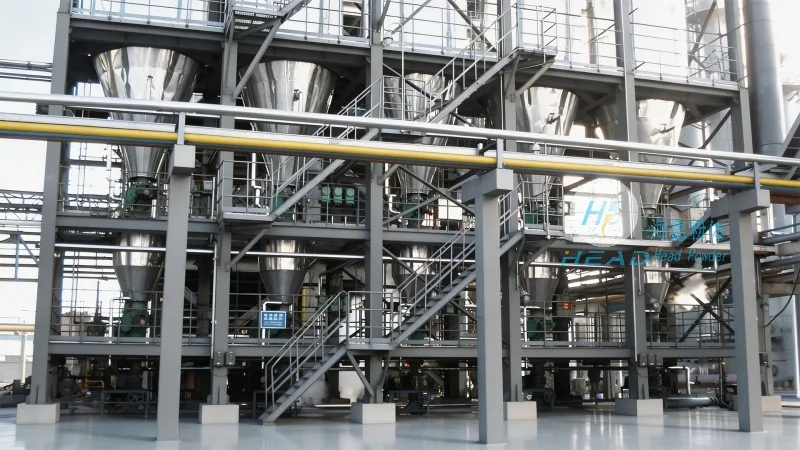
Introducing HeadPowder: Your Expert in Powder Handling Solutions
At Shandong HeadPowder Engineering Co., Ltd., we specialize in providing tailored powder handling solutions, including advanced rice bran powder conveying systems. With our headquarters located in Shandong, China, our team of engineers and technicians brings decades of experience to the table, ensuring that each equipment we design meets the stringent demands of the food processing and agricultural sectors. Our commitment to quality and innovation has made us a trusted name in the industry, delivering equipment that not only meets but exceeds customer expectations.
Understanding Rice Bran Powder Conveying Equipment
Rice bran powder conveying equipment is specifically engineered to transport fine, lightweight powders like rice bran from one point to another within a processing facility. These systems are critical in ensuring a smooth workflow, as rice bran is often used as a raw material in various applications, such as animal feed, cosmetics, and biofuel production. The equipment must be capable of handling the unique properties of rice bran, which can be prone to dusting, caking, or segregation if not managed properly.
Key Design Principles for Efficient Conveying
The design of rice bran powder conveying equipment revolves around several key principles aimed at optimizing performance, minimizing product degradation, and ensuring operational safety. One of the primary considerations is the material selection for the conveying components. Since rice bran is a food-grade product, all parts in contact with the powder must be made from food-grade materials, such as stainless steel or food-safe plastics, to prevent contamination and maintain hygiene standards.
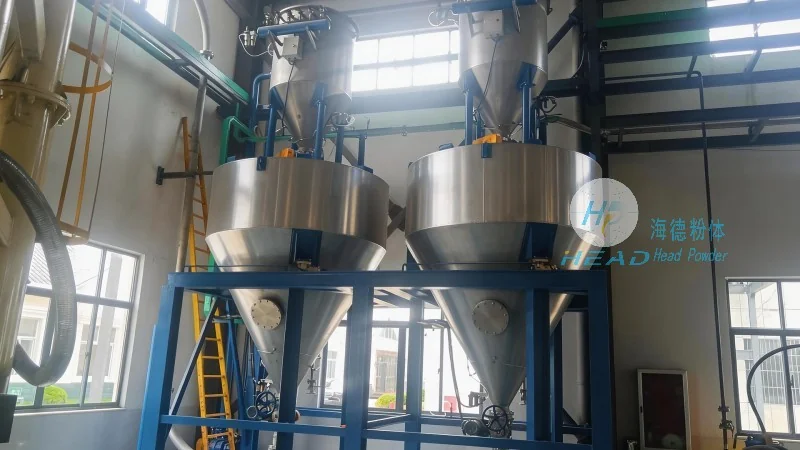
Another critical design principle is the system's ability to handle the flow characteristics of rice bran. Rice bran powder has a relatively low bulk density and can be prone to bridging or arching in hoppers and chutes. To address this, many conveying systems incorporate features like vibrators, air knives, or rotary valves to break up clumps and ensure a consistent flow. The design also emphasizes the use of gentle handling mechanisms to prevent the powder from being crushed or compacted, which could affect its quality and usability.
Furthermore, the equipment's layout and integration with the overall production line are carefully planned. This includes considerations for space constraints, energy efficiency, and ease of maintenance. For instance, some systems may use a combination of pneumatic and mechanical conveying methods to achieve the best balance between cost and performance. The design also incorporates safety features, such as dust collection systems and explosion-proof components, to protect both the equipment and the operators from potential hazards.
Components and Working Mechanisms
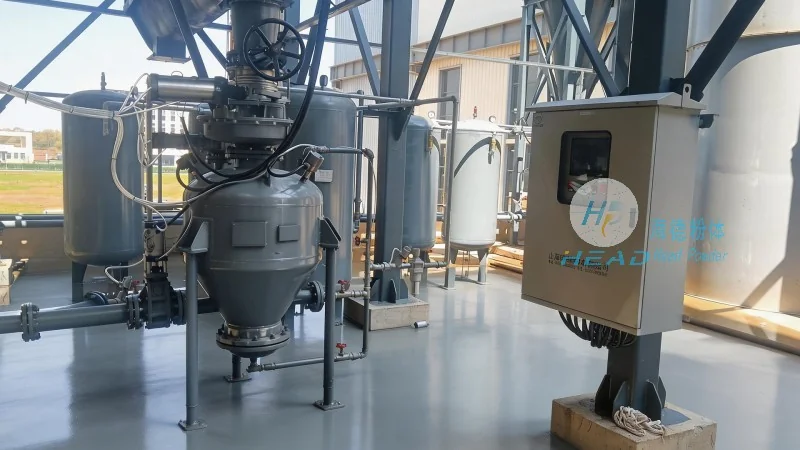
Typical rice bran powder conveying equipment consists of several key components, each playing a vital role in the overall operation. The primary components include a hopper for storing the rice bran, a feeder to control the flow rate, a conveyor (either pneumatic or mechanical), and a receiver to collect the conveyed powder. The feeder, often a rotary valve or a screw feeder, regulates the amount of powder entering the conveyor, ensuring a steady and controlled flow. The conveyor itself can be either pneumatic, using air pressure to move the powder through a pipeline, or mechanical, such as a screw conveyor or a belt conveyor.
Pneumatic conveying systems are particularly effective for transporting fine powders like rice bran over long distances or through complex layouts. They use compressed air to create a flow of air and powder, which is then directed to the receiver. This method is gentle on the powder and can handle high volumes, but it requires careful control of air pressure and flow rates to prevent product degradation. Mechanical conveying systems, on the other hand, rely on mechanical force to move the powder, such as a screw or a belt, and are often more suitable for shorter distances or when the powder needs to be handled more gently.
Advantages of Using Rice Bran Powder Conveying Equipment
Implementing rice bran powder conveying equipment offers numerous advantages for food processing and agricultural operations. Firstly, it significantly improves production efficiency by automating the material handling process, reducing the need for manual labor and minimizing downtime. This leads to higher throughput and lower operational costs. Secondly, the equipment helps maintain product quality by ensuring consistent and gentle handling of the rice bran, preventing contamination and preserving its nutritional and functional properties.
Additionally, the use of automated conveying systems enhances workplace safety by reducing the exposure of operators to dust and other potential hazards. The enclosed systems and integrated dust collection features minimize the risk of respiratory issues and other health concerns associated with handling fine powders. Finally, the equipment's modular design allows for easy integration with existing production lines and future expansion, providing long-term value and flexibility for businesses.
Conclusion
In conclusion, rice bran powder conveying equipment is a vital component in modern processing facilities, enabling efficient and safe handling of this valuable byproduct. The design principles, components, and working mechanisms of these systems are carefully engineered to meet the unique challenges of rice bran, ensuring optimal performance and product quality. With the expertise of companies like Shandong HeadPowder Engineering Co., Ltd., businesses can leverage advanced powder handling solutions to enhance their operations and achieve their production goals.