

What is a Coating Powder Conveying Equipment? And What Are Its Design Principles?
Coating powder conveying equipment is a specialized system designed to transport powder materials used in the production of coating products. These systems are integral to the coating industry, as they ensure the efficient and reliable movement of raw materials from storage to processing units. The design of such equipment is tailored to address the unique challenges posed by powder materials, including their tendency to agglomerate, generate static electricity, and require precise control over flow rates. By understanding the fundamental principles behind these systems, manufacturers can optimize their operations, enhance product quality, and improve overall production efficiency.
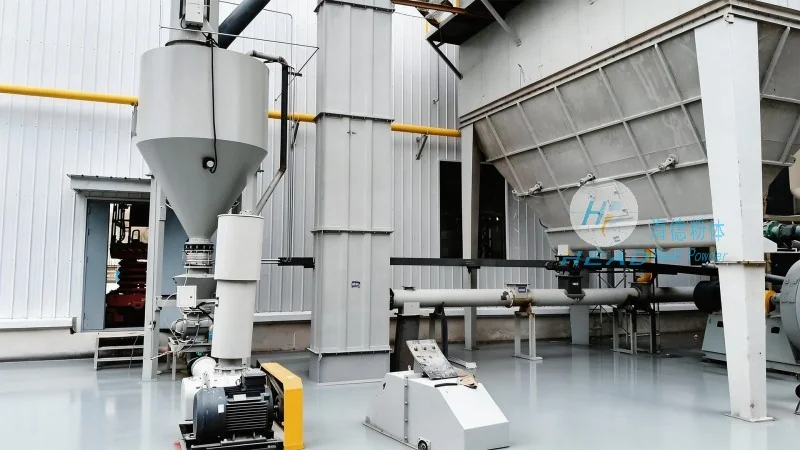
Key Components and Their Functions
The core components of a coating powder conveying system include feeders, conveyors, and control mechanisms. Feeders, such as rotary airlock valves or vibratory feeders, are responsible for accurately metering the powder and preventing blockages. They ensure a consistent flow rate, which is critical for maintaining uniform coating properties. Conveyors, which may be pneumatic or mechanical, transport the powder through the system. Pneumatic systems use compressed air to move the powder, while mechanical systems rely on belts or screws. Control systems, often integrated with sensors and automation, monitor pressure, flow rate, and other parameters to maintain optimal conditions. These components work together to create a seamless process, minimizing material loss and ensuring consistent performance.
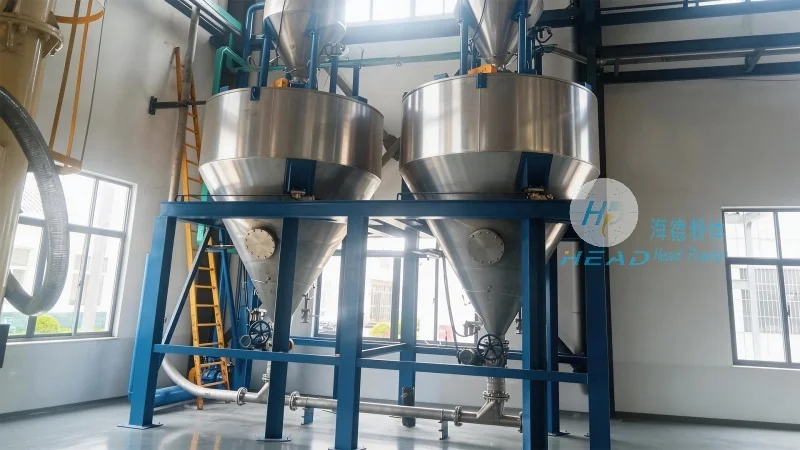
Design Principles for Efficient Powder Handling
The design of coating powder conveying equipment is guided by several key principles aimed at maximizing efficiency and minimizing material degradation. One primary principle is the prevention of powder agglomeration, which can occur due to friction or moisture. Equipment is constructed with smooth surfaces and appropriate angles to facilitate flow and prevent particle sticking. Additionally, the design incorporates features to minimize static electricity buildup, as this can cause powder to cling to surfaces and disrupt the conveying process. Proper grounding and anti-static additives are often used to maintain a stable electrical environment. Another critical principle is the optimization of air flow in pneumatic systems. The design ensures that air velocity is sufficient to prevent particle settling but not excessive, which could cause wear on components or reduce efficiency. This balance is essential for maintaining consistent flow rates and preventing material degradation.
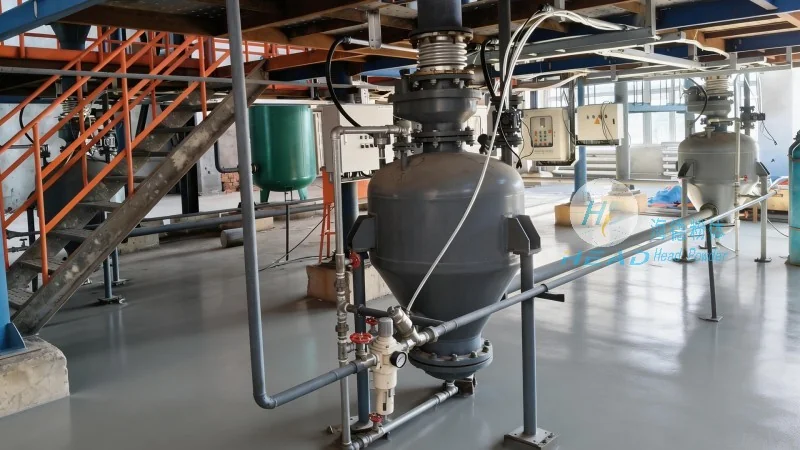
Applications in the Coating Industry
Coating powder conveying equipment is widely utilized across various sectors within the coating industry. In the automotive industry, these systems are essential for applying powder coatings to vehicle components, such as bumpers and body panels. The uniform application of powder ensures a durable and aesthetically pleasing finish. In the electronics industry, they are used to coat circuit boards and other components with protective or conductive powders, enhancing their performance and longevity. The construction industry also benefits from these systems when applying powder coatings to metal structures or other materials, improving corrosion resistance and appearance. The versatility of coating powder conveying equipment makes it a valuable asset in any production line that relies on powder-based coatings, supporting a wide range of applications and industries.
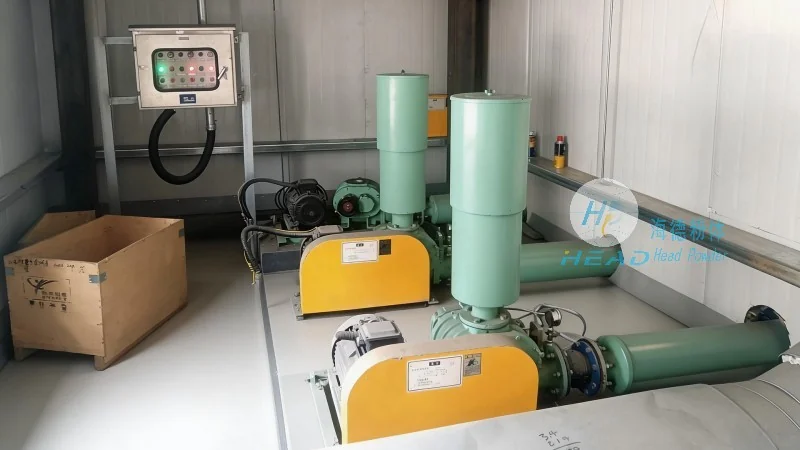
Advantages of Modern Conveying Solutions
Modern coating powder conveying equipment offers several advantages that enhance production capabilities. One significant benefit is improved material handling efficiency, which reduces downtime and increases throughput. By minimizing material loss and ensuring consistent flow, manufacturers can achieve higher yields and lower operational costs. Additionally, advanced systems often include features for real-time monitoring and data collection, allowing for process optimization and predictive maintenance. This leads to reduced maintenance costs and extended equipment lifespan. Furthermore, the design of these systems prioritizes safety, with features such as explosion-proof components and secure access points to prevent accidents. The combination of efficiency, reliability, and safety makes modern coating powder conveying equipment a critical investment for any company in the coating industry, supporting long-term success and competitiveness.