

What is Iron Fines Powder Conveying Equipment? And What Are Its Design Principles?
Iron fines powder conveying equipment is a specialized system designed to handle and transport fine iron powder efficiently. This equipment is crucial in various industrial applications, particularly in manufacturing processes where iron powder is a key raw material. The design of such equipment must address the unique challenges associated with iron fines, including their fine particle size, potential for static electricity, and the need for precise control over material flow. Understanding the design principles behind these systems is essential for optimizing performance and ensuring safety in industrial operations.
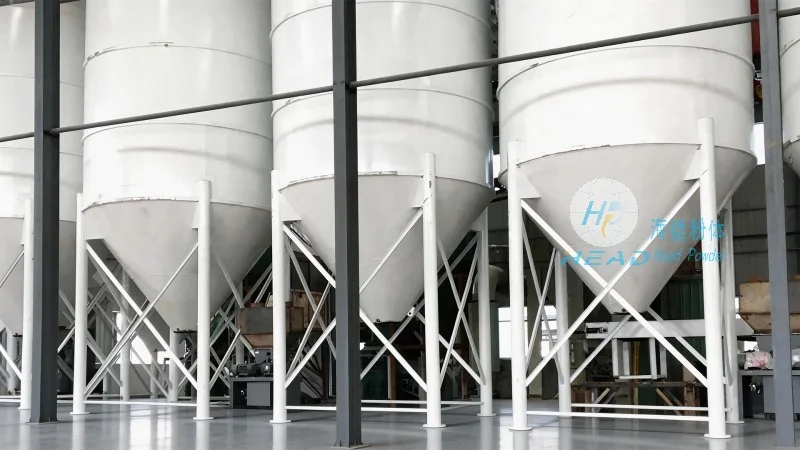
About HeadPowder: A Leader in Powder Handling Solutions
HeadPowder, or Shandong HeadPowder Engineering Co., Ltd., is a prominent manufacturer specializing in powder handling equipment. With a base in Shandong, China, the company has established itself as a reliable partner for industries requiring efficient and reliable conveying solutions for iron fines and other fine powders. HeadPowder's expertise lies in developing customized equipment that meets the specific demands of clients, ensuring high performance and durability in demanding industrial environments.
The Core Design Principles of Iron Fines Powder Conveying Equipment
The design of iron fines powder conveying equipment is guided by several key principles to ensure effective and safe operation. First, the equipment must be capable of handling fine particles without causing blockages or clogging, which is a common issue with iron fines due to their small size and tendency to aggregate. This is achieved through the use of specialized components such as high-efficiency filters, agitators, and flexible hoses that maintain consistent material flow. Second, the system must address the issue of static electricity, which can cause material buildup and pose safety hazards. Anti-static measures, including grounding systems and conductive materials, are integrated into the design to prevent static accumulation. Third, the equipment is engineered for minimal material loss and high recovery rates, which is critical in industries where iron fines are valuable and costly. The design also emphasizes energy efficiency and low maintenance requirements to reduce operational costs for users.
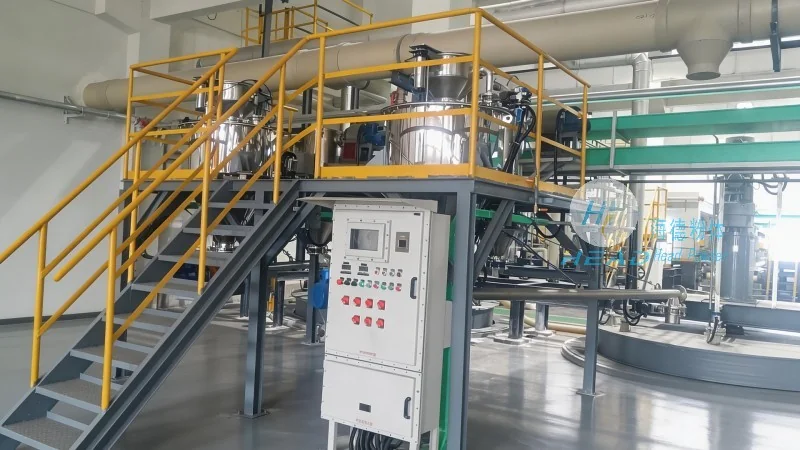
Key Components and Functional Aspects of the Equipment
The iron fines powder conveying equipment typically consists of several interconnected components that work together to ensure smooth material transport. The primary components include a hopper for material storage, a feeder to control the flow rate, a conveyor system (such as a pneumatic or mechanical conveyor) to move the powder, and a control panel for monitoring and adjusting the system. The hopper is designed with a sloped interior to prevent material bridging and ensure uniform discharge. The feeder, often a rotary valve or a screw feeder, regulates the amount of material entering the conveyor, preventing overloading and maintaining consistent flow. The conveyor system, whether pneumatic (using air pressure to move the powder) or mechanical (using belts or screws), is selected based on the specific characteristics of the iron fines, such as particle size and moisture content. Pneumatic conveyors are particularly effective for fine powders as they can handle high volumes and provide gentle handling, reducing particle degradation. The control panel allows operators to adjust parameters such as air pressure, flow rate, and material level, ensuring optimal performance and safety. Additionally, the equipment is equipped with safety features like pressure relief valves and emergency stop buttons to prevent accidents and protect personnel.
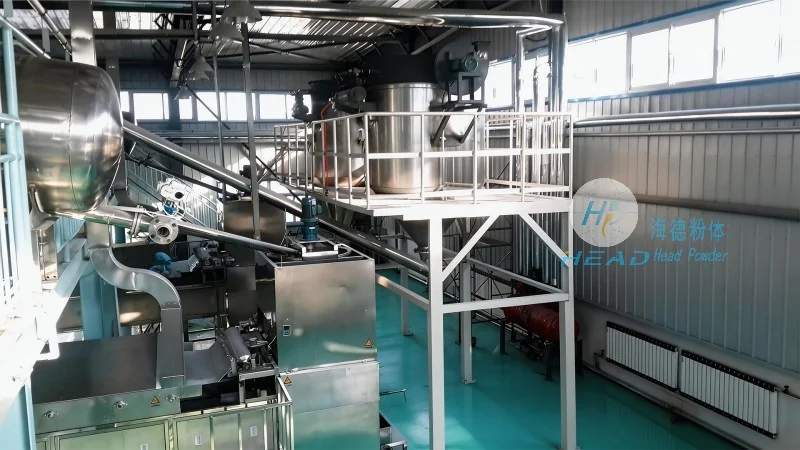
Applications and Benefits of Iron Fines Powder Conveying Equipment
Iron fines powder conveying equipment is widely used in various industrial sectors, including metal processing, chemical manufacturing, and pharmaceuticals. In metal processing, it is used to transport iron powder for applications such as powder metallurgy, where iron powder is used to produce metal parts through sintering. The equipment ensures that the iron powder is delivered to the sintering furnace in a controlled manner, maintaining consistent quality and reducing waste. In chemical manufacturing, iron fines are used as a raw material in the production of iron-based chemicals, and the conveying equipment ensures that the powder is handled safely and efficiently, minimizing exposure to dust and improving process control. The benefits of using this equipment include improved productivity, reduced labor costs, and enhanced safety. By automating the material handling process, the equipment reduces the need for manual handling, which can be hazardous due to the fine nature of the powder. Additionally, the equipment helps in maintaining a clean and organized workspace, as it prevents dust accumulation and material spillage. The high efficiency of the system also leads to lower operational costs, as it minimizes material loss and reduces the need for frequent maintenance.
Conclusion: The Importance of Proper Design and Implementation
Iron fines powder conveying equipment plays a vital role in modern industrial operations, enabling efficient and safe handling of fine iron powder. The design principles behind these systems, including the use of specialized components, anti-static measures, and energy-efficient designs, are crucial for optimizing performance and ensuring safety. Companies like Shandong HeadPowder Engineering Co., Ltd. (HeadPowder) have expertise in developing such equipment tailored to the specific needs of clients. By understanding the design principles and benefits of iron fines powder conveying equipment, industries can improve their production processes, reduce costs, and enhance overall operational efficiency. The continued development and refinement of these systems will further contribute to the advancement of industries that rely on fine powders as key raw materials.