

Positive Pressure Dense Phase Powder Conveying System: What It Is and Its Design Principles
A positive pressure dense phase powder conveying system is a specialized pneumatic conveying technology designed to transport dry powders and granular materials in a dense, low-velocity flow. This technology, developed by Shandong HeadPowder Engineering Co., Ltd. (headpowder), offers an efficient and reliable method for transporting powders over long distances, ensuring minimal product degradation and high system efficiency. The following article delves into the core aspects of this system, including its definition, operational principles, and key design considerations.
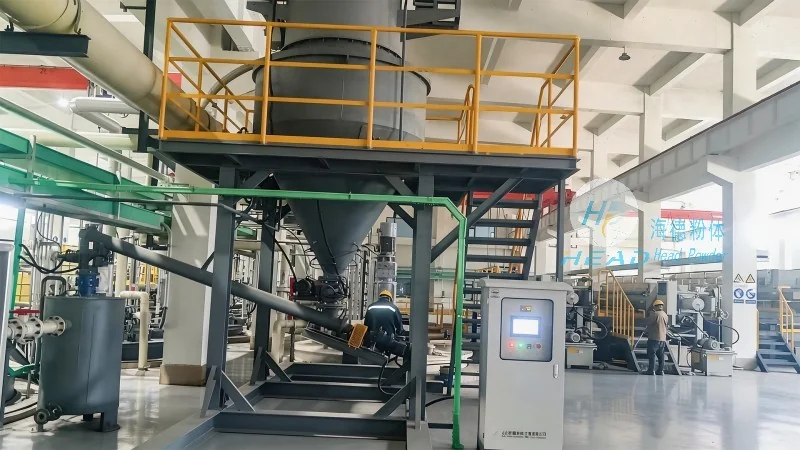
Introduction to Positive Pressure Dense Phase Powder Conveying
A positive pressure dense phase powder conveying system is a specialized pneumatic conveying technology designed to transport dry powders and granular materials in a dense, low-velocity flow. Unlike traditional dilute phase systems that rely on high velocities and low pressure differentials, dense phase systems operate at lower velocities and higher pressure differentials, which helps maintain the integrity of the material being conveyed. This method is particularly effective for handling sensitive powders that are prone to agglomeration or degradation under high shear forces.
Design Principles of the Positive Pressure Dense Phase Powder Conveying System
The design of a positive pressure dense phase powder conveying system is based on several fundamental principles that ensure optimal performance and material handling. The system typically consists of a positive displacement blower or compressor that generates the necessary pressure to move the material through the pipeline. Key components include the hopper for material storage, a feeder mechanism to control the flow rate, a conveying line with appropriate pipe diameter and length, and a receiver for the discharged material. The design must consider factors such as the material's bulk density, flowability, and moisture content, as these properties directly impact the system's performance and efficiency.
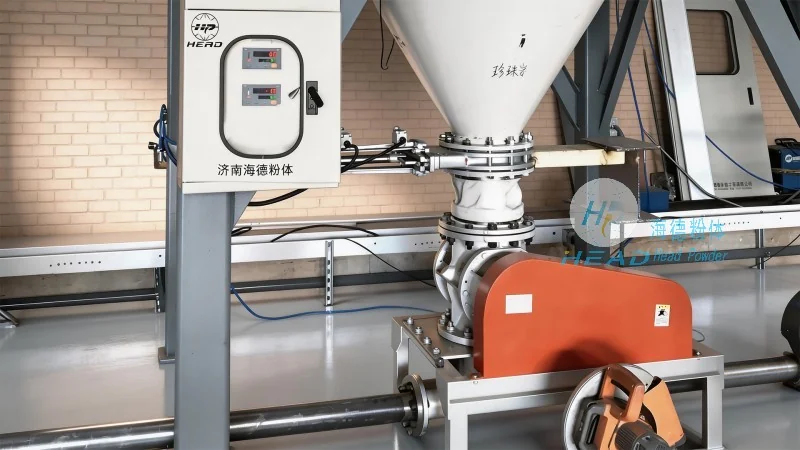
Operational Mechanism and Key Advantages
During operation, the positive pressure system introduces compressed air into the conveying line, creating a dense mixture of powder and air. The air velocity is kept low enough to prevent particle separation and maintain the material in a compacted state. This low-velocity flow reduces the risk of product degradation, such as caking or attrition, and minimizes the wear on system components. The system also offers advantages in terms of energy efficiency, as it requires less air volume compared to dilute phase systems, and provides better control over the flow rate, which is essential for precise material delivery.
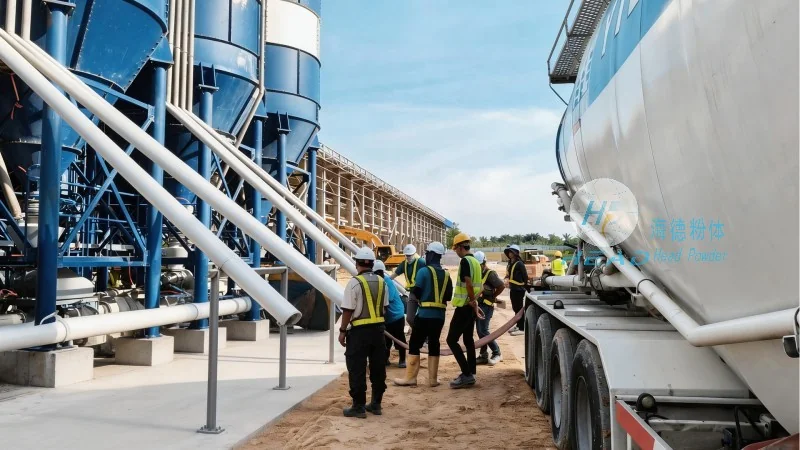
Applications and Industries
The positive pressure dense phase powder conveying system is widely used in various industries, including pharmaceuticals, food processing, chemical manufacturing, and mining. In the pharmaceutical industry, it is used to transport active pharmaceutical ingredients (APIs) and excipients with high purity requirements, ensuring that the material remains intact and free from contamination. In the food industry, it is employed for conveying ingredients like flour, sugar, and spices, maintaining the quality and flavor of the products. The system's ability to handle sensitive materials makes it a preferred choice in these sectors.
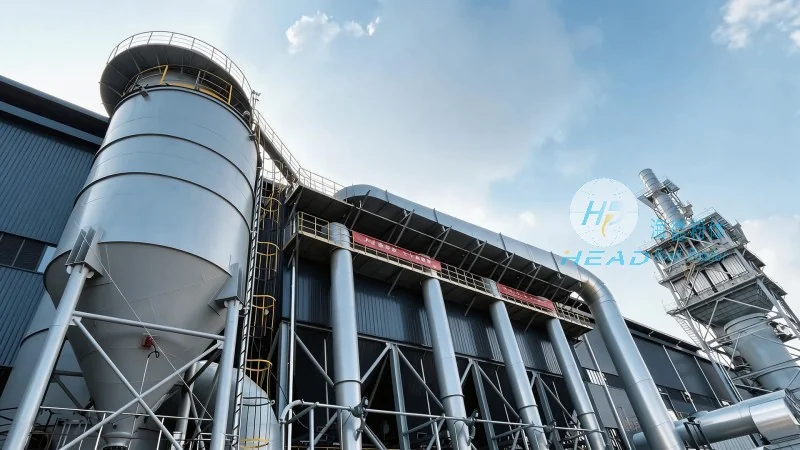
Key Design Considerations for Optimal Performance
When designing a positive pressure dense phase powder conveying system, several factors must be carefully considered to ensure reliable operation and long-term performance. The selection of the blower or compressor is critical, as it must provide sufficient pressure and flow rate to handle the material's characteristics. The pipe diameter and length are also important, as they affect the pressure drop and the overall system efficiency. Additionally, the feeder mechanism must be designed to provide a consistent flow rate, preventing surges or blockages that could lead to system failure. Proper maintenance and regular inspections are essential to ensure the system operates at peak efficiency and to extend its service life.
Conclusion
In conclusion, the positive pressure dense phase powder conveying system is a highly effective technology for transporting bulk powders with minimal degradation and high efficiency. Its design principles, operational mechanism, and advantages make it suitable for a wide range of industrial applications. By understanding the key components and design considerations, industries can implement this system to improve their material handling processes and achieve better overall performance.