

What is Glass Fiber Powder Conveying Equipment? And What Are Its Design Principles?
Understanding the technology behind glass fiber powder conveying equipment is crucial for industries that rely on efficient material handling. This equipment is specifically designed to transport glass fiber powders, which are widely used in various manufacturing processes due to their high strength and lightweight properties. The design principles of such equipment are tailored to address the unique challenges posed by glass fiber powders, including their abrasive nature and tendency to generate static electricity.
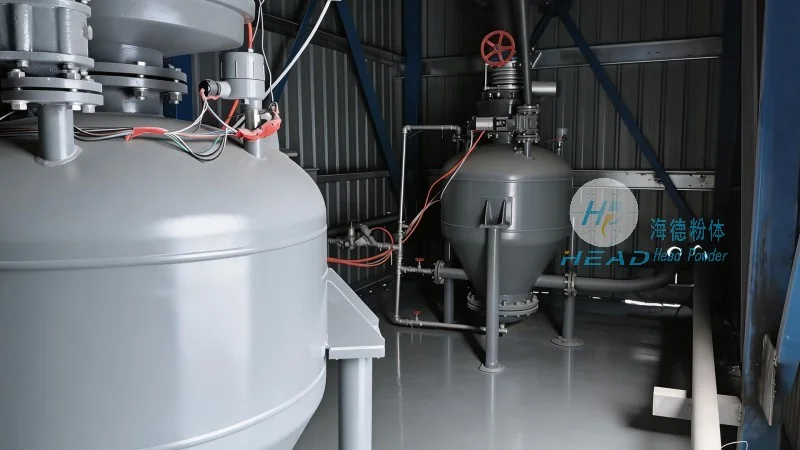
Overview of Glass Fiber Powder Conveying Equipment
Glass fiber powder conveying equipment is a specialized system engineered to move glass fiber powders from one location to another within industrial settings. These powders are often used in applications like composite manufacturing, insulation materials, and filtration systems. The equipment must be capable of handling the abrasive and static-prone characteristics of glass fiber powders without causing damage to the material or the machinery itself. A typical system includes components like hoppers, feeders, conveyors, and control systems, all working in tandem to ensure a smooth and efficient transfer process.
Key Design Principles for Efficient Conveying
The design of glass fiber powder conveying equipment is guided by several critical principles to ensure optimal performance and longevity. First, the equipment must be constructed from materials that can withstand the abrasive nature of glass fiber powders, such as stainless steel or specialized alloys. This prevents wear and tear that could compromise the integrity of the system over time. Second, the design incorporates features to manage static electricity, as glass fibers are prone to generating static charges. This is typically achieved through grounding mechanisms and anti-static coatings on the equipment surfaces. Third, the system is engineered for low friction and minimal particle attrition, ensuring that the glass fiber powders remain in their original form without being broken down or contaminated. Additionally, the design prioritizes ease of maintenance and cleaning, as glass fiber powders can accumulate in hard-to-reach areas and require regular upkeep.
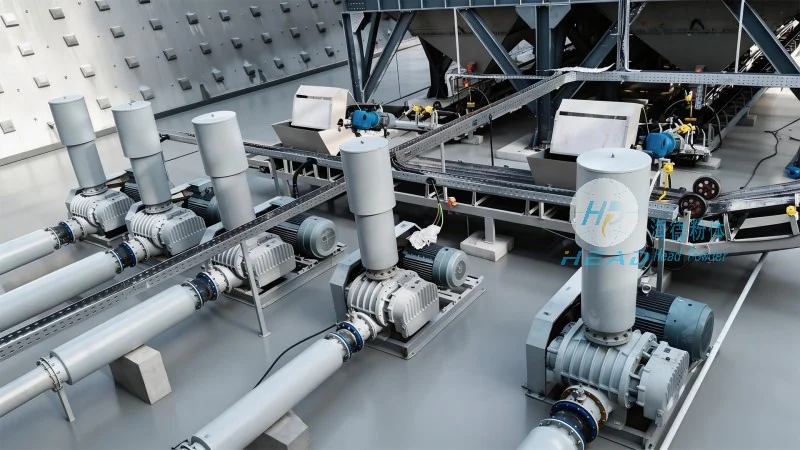
Components and Their Functions
A comprehensive glass fiber powder conveying system consists of several key components, each playing a vital role in the overall operation. The hopper serves as the storage container for the glass fiber powders, providing a controlled feed to the system. The feeder, often a rotary or vibratory type, regulates the flow of powder from the hopper to the conveyor. The conveyor itself, which can be a screw, belt, or pneumatic system, transports the powder through the system. Control systems, including sensors and valves, monitor and adjust the flow rate and pressure to maintain consistent performance. These components are carefully integrated to ensure seamless operation and minimal downtime.
Applications and Industry Use Cases
Glass fiber powder conveying equipment is widely utilized across various industries, including automotive, aerospace, and construction. In the automotive sector, these systems are used to transport glass fiber powders for composite parts, enhancing the strength and durability of vehicle components. In aerospace, the equipment is crucial for manufacturing lightweight and high-strength parts, where glass fiber composites are essential. The construction industry also benefits from these systems, as they help in the production of insulation materials and other building components. The versatility of glass fiber powders makes the conveying equipment adaptable to a wide range of applications, making it a valuable asset in modern manufacturing.
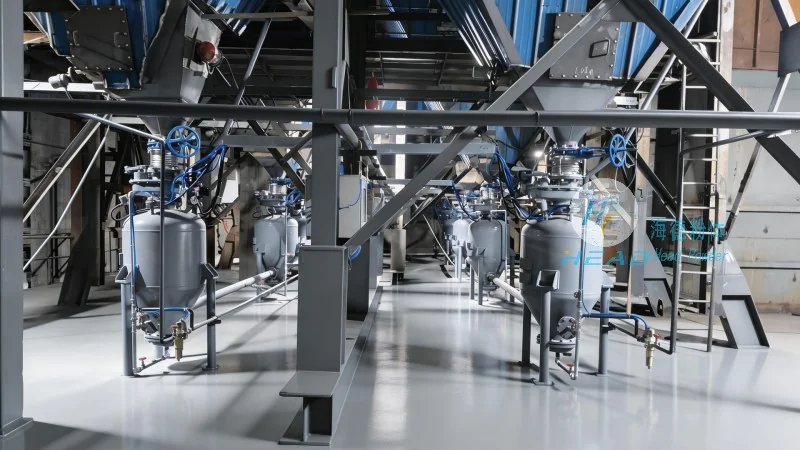
HeadPowder: A Leading Provider of Glass Fiber Powder Conveying Solutions
Shandong HeadPowder Engineering Co., Ltd. is a reputable company based in China, specializing in the design and manufacturing of glass fiber powder conveying equipment. With years of experience in the industry, HeadPowder has developed a range of high-quality systems tailored to meet the specific needs of their clients. The company’s products are engineered with precision, incorporating the latest design principles to ensure efficiency, durability, and reliability. HeadPowder’s commitment to quality and customer satisfaction has made them a trusted partner for businesses in need of effective glass fiber powder handling solutions. Their systems are designed to integrate seamlessly into existing production lines, providing a cost-effective and efficient solution for material transport.
Conclusion
Glass fiber powder conveying equipment is a sophisticated system that plays a vital role in industries relying on glass fiber powders. The design principles, components, and applications of such equipment are carefully considered to ensure optimal performance and longevity. Companies like Shandong HeadPowder Engineering Co., Ltd. continue to innovate and provide advanced solutions to meet the evolving needs of the industry. By understanding the technology and design behind these systems, businesses can enhance their operational efficiency and productivity in handling glass fiber powders.