

What is a Tote Bag Quantitative Feeding Powder Material Handling Line? What are its Design Principle
A tote bag quantitative feeding powder material handling line is a specialized industrial system designed for the precise and efficient transfer of bulk powders from large tote bags into processing equipment. This system is crucial in industries such as pharmaceuticals, food processing, chemicals, and manufacturing, where accurate dosing and consistent material flow are essential for product quality and operational efficiency. The system integrates several key components, including tote bag unloading mechanisms, material conveying systems, and quantitative feeding devices, all working in tandem to ensure reliable and controlled powder handling.
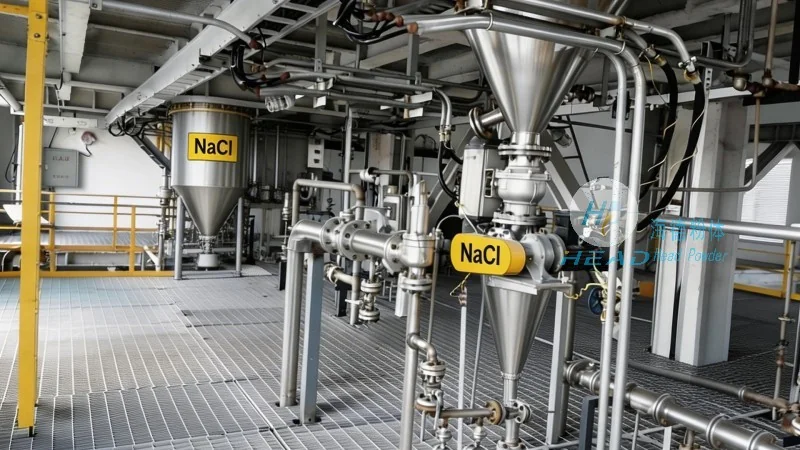
Key Components of the System
The core components of a tote bag quantitative feeding powder material handling line typically include: 1. Tote Bag Unloading Equipment: This component is responsible for opening the tote bag and transferring the powder into a hopper or conveyor. Common designs include rotary valves, pneumatic discharge systems, or mechanical lifting mechanisms that ensure the bag is emptied completely without spillage. 2. Powder Conveying System: After unloading, the powder is transported through a closed pipeline system, often using air or mechanical methods like screw conveyors or pneumatic transport. The system is designed to maintain the integrity of the powder, preventing contamination and ensuring consistent flow rates. 3. Quantitative Feeding Device: This is the critical component that measures and dispenses the powder in precise quantities. It may use gravimetric scales, volumetric meters, or other advanced measurement technologies to ensure the exact amount of material is delivered to the next stage of processing. 4. Control and Monitoring System: An integrated control panel allows operators to monitor the entire process, adjust parameters, and receive alerts for any deviations or issues. This system enhances operational safety and ensures compliance with quality standards.
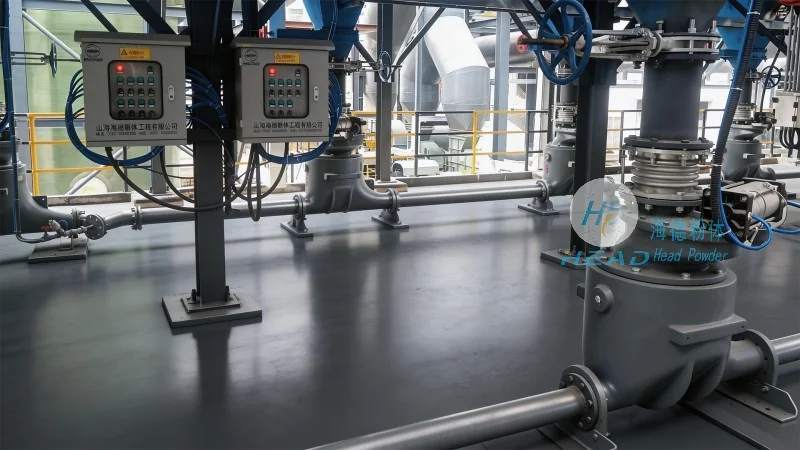
Design Principles and Operational Logic
The design principles of a tote bag quantitative feeding powder material handling line focus on precision, reliability, and safety. The system is engineered to minimize material loss, prevent cross-contamination, and maintain a consistent flow rate. The key operational logic involves: 1. Sealed Material Transfer: All components are designed to operate under a closed system, reducing dust emissions and protecting the environment. This is particularly important for powders that are hazardous or require sterile conditions. 2. Automatic and Continuous Operation: The system is designed to operate without manual intervention for extended periods, ensuring uninterrupted production. 3. Integration with Processing Equipment: The feeding line is typically connected to downstream processing equipment, such as mixers, reactors, or packaging machines, to ensure a seamless material flow from raw material input to final product output. 4. Flexibility and Scalability: The system is designed to handle various types of powders and can be scaled up or down to meet the production needs of different facilities. This flexibility allows manufacturers to adapt to changing production demands without significant modifications.
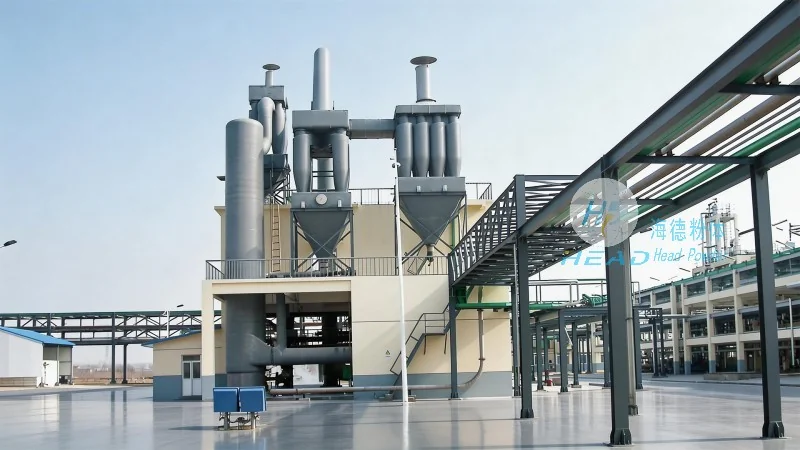
Benefits of Using a Tote Bag Quantitative Feeding System
Implementing a tote bag quantitative feeding powder material handling line offers several significant benefits for industrial operations. First, it enhances product quality by ensuring accurate dosing, which is critical in applications like pharmaceutical manufacturing where precise ingredient ratios are required. Second, it improves operational efficiency by automating the material handling process, reducing labor costs and minimizing downtime. Third, it enhances safety by operating under a closed system, reducing the risk of dust explosions and exposure to hazardous materials. Fourth, it improves environmental compliance by minimizing waste and emissions. Finally, the system provides real-time monitoring and data collection, enabling better process control and traceability.
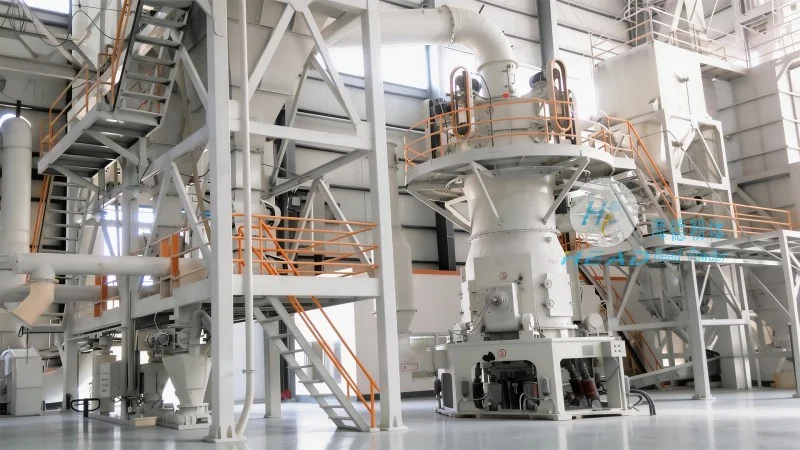
Application Examples
These systems are widely used in various industries. In the pharmaceutical industry, they are used to handle active pharmaceutical ingredients (APIs) and excipients, ensuring precise dosing for drug formulations. In the food industry, they are used to handle ingredients like flour, sugar, and spices, maintaining consistent product quality. In the chemical industry, they are used to handle raw materials such as pigments, catalysts, and solvents, ensuring accurate mixing and reaction processes. In manufacturing, they are used to handle powders for plastic and rubber production, improving the consistency of final products.