

What is an Automatic Powder Feeding and Conveying Line? Exploring Its Design Principles
Shandong HeadPowder Engineering Co., Ltd., a leading manufacturer based in Shandong, China, specializes in the design and production of advanced powder handling systems. The company's focus is on delivering efficient, reliable, and high-performance solutions for industries that rely on bulk powder processing. With a strong commitment to quality and innovation, HeadPowder has established itself as a trusted partner in the field of powder engineering.
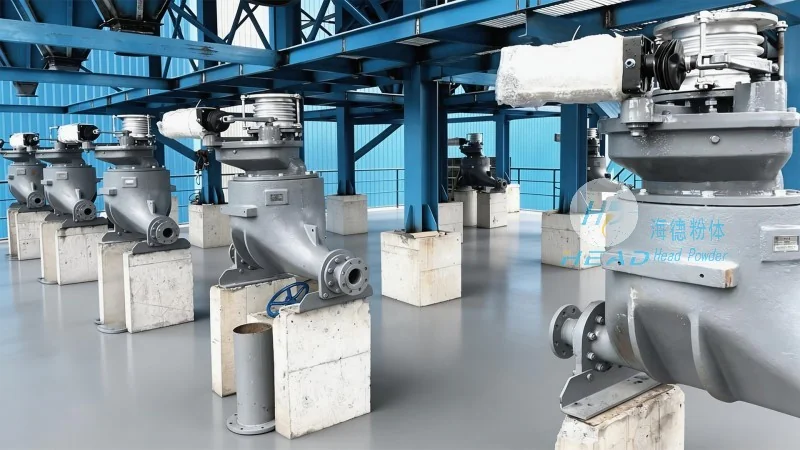
Understanding the Automatic Powder Feeding and Conveying Line
An automatic powder feeding and conveying line is a sophisticated industrial system engineered to handle, measure, and transport bulk powders with precision and efficiency. This integrated system is designed to replace manual feeding methods, offering a more consistent and controlled approach to material handling. The core purpose of such a line is to ensure that powders are transferred from storage hoppers to processing equipment in a manner that minimizes waste, maximizes throughput, and maintains product integrity.
Key Design Principles of the System
The design of an automatic powder feeding line is guided by several fundamental principles that prioritize functionality, accuracy, and safety. Firstly, material flow optimization is a critical consideration. Engineers design the system to ensure smooth and unobstructed movement of powders from the storage hopper to the feeder and then to the conveyor. This involves selecting appropriate hopper designs (such as conical or rectangular hoppers) and feeder types (like loss-in-weight or volumetric feeders) to prevent material bridging or clogging.
Secondly, precision measurement is paramount. The system must accurately measure the quantity of powder being dispensed, which is essential for maintaining consistent product quality across batches. Gravimetric feeders, which measure mass, are commonly used for high-precision applications, while volumetric feeders are suitable for applications where cost and simplicity are key. The control system integrates these measurement data to adjust the feeder speed in real-time, ensuring that the target dosage is achieved.
Thirdly, safety and reliability are integral to the design. Modern powder handling systems incorporate various safety features, including overload protection, dust collection systems, and automated shutdown mechanisms. These features help prevent accidents, reduce the risk of dust explosions, and ensure continuous operation. The robust construction of the equipment, using materials resistant to corrosion and wear, further enhances its durability and longevity.
Components and Their Functions
The automatic powder feeding and conveying line consists of several key components, each playing a vital role in the overall operation. The primary components include:
1. Hopper: A storage vessel designed to hold the bulk powder. The design of the hopper, such as a conical or rectangular shape, influences the flow characteristics of the material. Proper hopper design minimizes material bridging and ensures a steady supply of powder to the feeder.
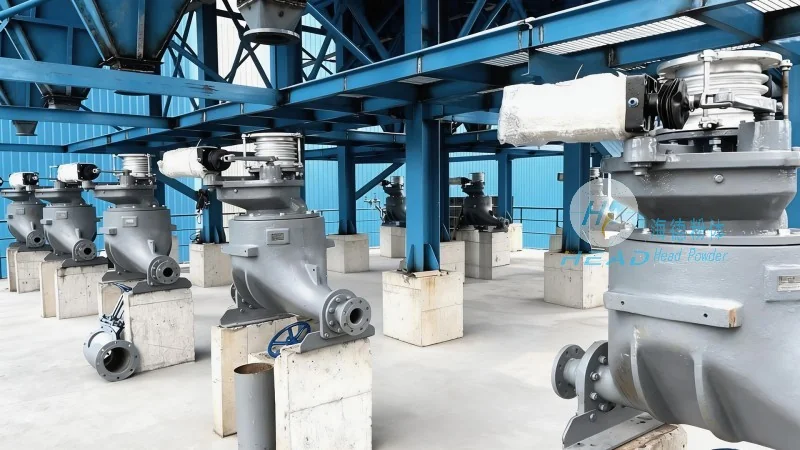
2. Feeder: The component responsible for measuring and dispensing the powder. Common types include loss-in-weight feeders, which provide high-precision dosing by measuring the weight loss of the material from the hopper, and volumetric screw feeders, which use a rotating screw to deliver a consistent volume of powder.
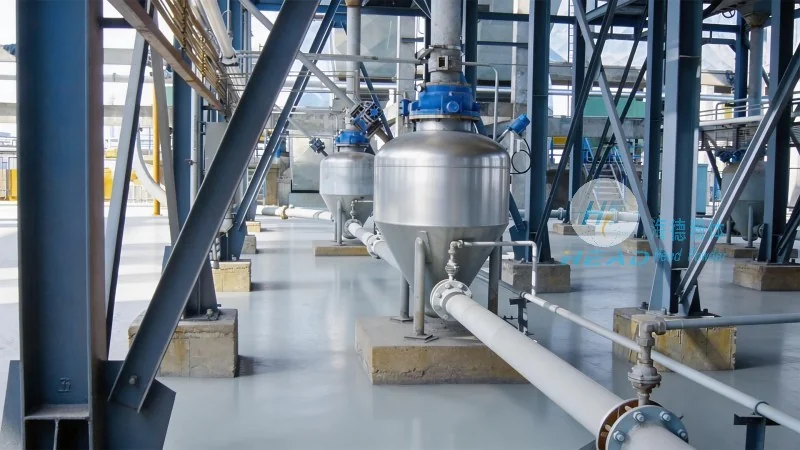
3. Conveyor System: The mechanism that transports the measured powder from the feeder to the processing equipment. Options include screw conveyors, pneumatic conveyors, or belt conveyors, depending on the material properties and application requirements.
4. Control Panel: An integrated system that monitors and controls all aspects of the operation. The control panel displays real-time data, such as feed rate, material level, and system status, and allows operators to adjust parameters as needed. It also includes safety interlocks and alarm systems to prevent malfunctions.
Applications and Industries
Automatic powder feeding and conveying lines are widely used across various industries where bulk powders are processed. Some of the key applications include:
1. Pharmaceutical Industry: In pharmaceutical manufacturing, precise dosing of active ingredients is critical for ensuring product efficacy and safety. Automatic feeding lines help maintain consistent batch-to-batch quality, reducing the risk of contamination and dosage errors.
2. Food Processing: The food industry relies on these systems for handling ingredients like flour, sugar, and spices. The automated process ensures accurate measurements, improves production speed, and maintains hygiene standards.
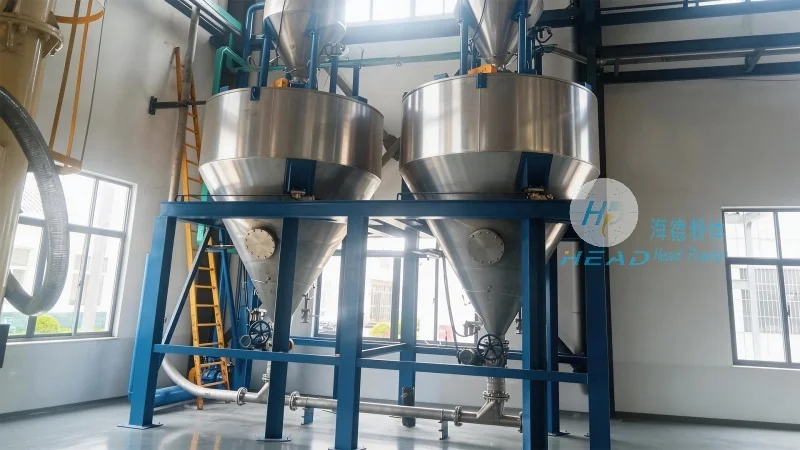
3. Chemical Manufacturing: Chemical plants use powder feeding lines to handle raw materials and additives, ensuring safe and efficient processing. The systems help control dust emissions and maintain a clean working environment.
4. Mining and Minerals: In the mining sector, these lines are used to transport and process minerals and ores. The robust design of the equipment can handle abrasive and heavy materials, making it suitable for harsh industrial environments.
Advantages Over Manual Feeding
Compared to manual feeding methods, automatic powder feeding lines offer several significant advantages. Firstly, they provide consistent and repeatable dosing, which is crucial for applications where product quality is non-negotiable. Manual feeding is prone to human error, leading to variations in dosage that can affect product performance.
Secondly, these systems enhance operational efficiency by automating repetitive tasks. This reduces labor costs and allows operators to focus on other critical processes. The integration of control systems also enables remote monitoring and adjustment, improving overall productivity.
Thirdly, safety is significantly improved with automated systems. Manual handling of powders can expose workers to dust inhalation and other health risks. Automatic feeding lines minimize direct human contact with the material, reducing the risk of occupational hazards. Additionally, built-in dust collection systems help maintain a clean and safe working environment.
Maintenance and Longevity
To ensure the optimal performance and longevity of an automatic powder feeding line, regular maintenance is essential. Proper maintenance not only extends the lifespan of the equipment but also minimizes downtime and ensures consistent product output. Key maintenance tasks include:
1. Cleaning and Inspection: Regularly cleaning the hopper, feeder, and conveyor to prevent material buildup and clogging. Inspecting components for wear and tear, such as worn screws or damaged seals, and replacing them as needed.
2. Calibration: Periodically calibrating the feeder and control system to maintain accuracy. This ensures that the system continues to deliver the correct dosage over time, even with material changes or system wear.
3. Filter and Dust Collection System Maintenance: Ensuring that the dust collection system is functioning properly to prevent dust accumulation and maintain air quality. Regularly cleaning or replacing filters to maintain efficiency.
4. Software Updates: Keeping the control system software up to date to take advantage of new features and improvements. Software updates can enhance system performance, improve safety features, and provide better data tracking.
Conclusion
An automatic powder feeding and conveying line is a critical asset for industries that rely on bulk powder processing. The design principles of such systems prioritize efficiency, accuracy, and safety, making them indispensable for modern manufacturing processes. By leveraging advanced technology and careful engineering, these systems help companies achieve higher productivity, better product quality, and improved operational reliability. As a leading manufacturer based in Shandong, China, Shandong HeadPowder Engineering Co., Ltd. continues to innovate and provide high-quality solutions that meet the evolving needs of the powder handling industry.