

What is an Automatic Quantitative Powder Material Handling Line? And What Are Its Design Principles?
For industries that handle bulk powders, the efficiency and precision of material handling systems are critical to operational success. One such solution is the automatic quantitative powder material handling line, a sophisticated system designed to streamline the process of transporting, measuring, and dispensing powders with high accuracy. This article explores the concept of such a line and delves into its underlying design principles, providing insights into how these systems enhance productivity and reliability in various industrial applications. Developed by Shandong HeadPowder Engineering Co., Ltd., a leading provider in the field, this technology represents a significant advancement in powder handling solutions.
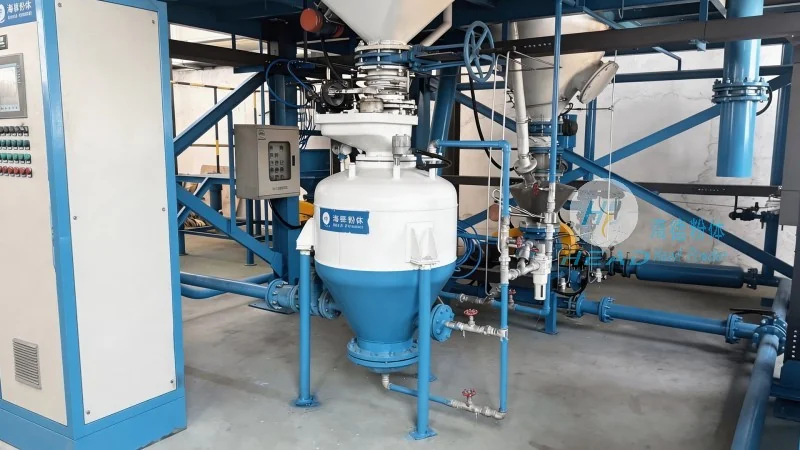
Understanding the Automatic Quantitative Powder Material Handling Line
An automatic quantitative powder material handling line is a comprehensive system engineered to manage the entire workflow of powder handling, from intake to discharge. It integrates multiple components, including feeders, conveyors, dosing mechanisms, and control systems, to ensure that powders are transported, measured, and dispensed in precise quantities. The primary goal of this line is to eliminate manual intervention, reduce human error, and maintain consistent product quality throughout the process.
Key Components and Their Functions
The effectiveness of an automatic quantitative powder material handling line relies on the integration of several key components, each playing a vital role in the overall operation. These components typically include:
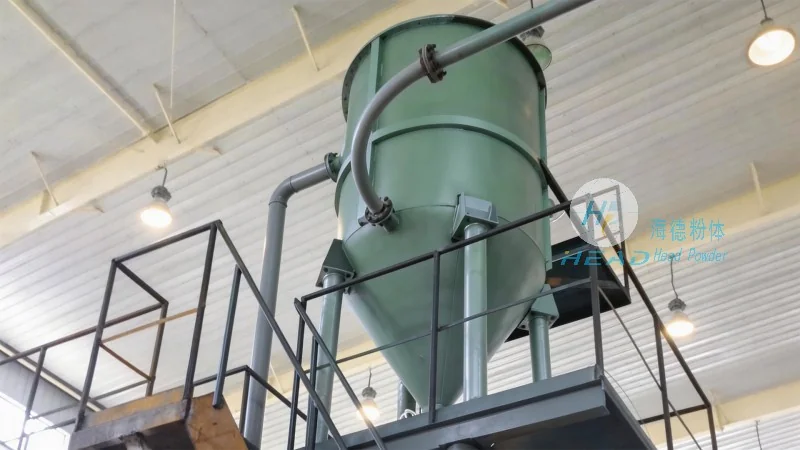
- Pneumatic or Mechanical Feeders: These devices are responsible for the initial intake of powder from storage silos or hoppers. They ensure a controlled and steady flow of material into the system, preventing clogging and maintaining consistent feed rates.
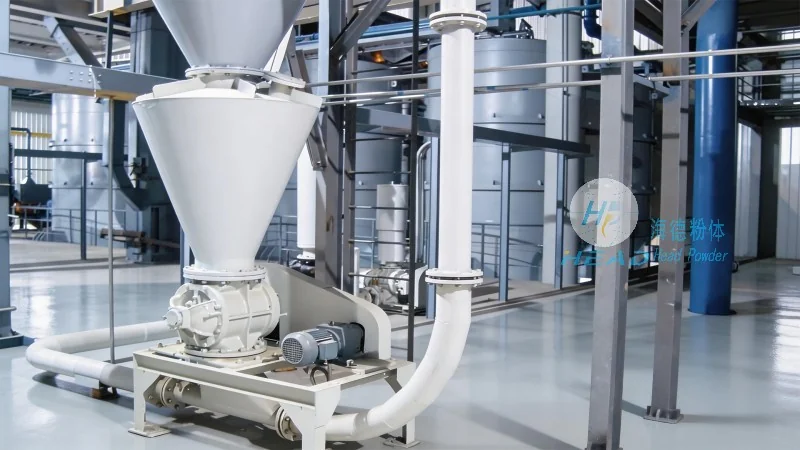
- Conveying Systems: Once the powder is fed, it is transported through the system using various methods such as screw conveyors, belt conveyors, or pneumatic pipelines. These systems ensure that the material moves smoothly and efficiently from one stage to the next.
- Dosing and Weighing Mechanisms: This is the core of the quantitative aspect of the line. Advanced dosing mechanisms, often integrated with load cells or other weighing technologies, measure the exact amount of powder required for each batch. These systems can be programmed to deliver precise quantities, ensuring uniformity in the final product.
- Control and Automation Systems: Modern powder handling lines are equipped with sophisticated control systems that monitor and regulate all processes. These systems use sensors and software to adjust feed rates, dosing parameters, and conveyor speeds in real-time, ensuring optimal performance and minimizing waste.
Design Principles for Precision and Efficiency
The design of an automatic quantitative powder material handling line is guided by several key principles aimed at maximizing accuracy, reliability, and operational efficiency. These principles include:
- Material Compatibility: The design must consider the specific properties of the powder being handled, such as particle size, moisture content, and flowability. Materials like metal, plastic, or specialized coatings are used to prevent contamination and ensure the longevity of the system.
- Sealability and Contamination Control: To maintain product purity, the system is designed with tight seals and dust-proof enclosures. This prevents cross-contamination and ensures that the powder remains in a controlled environment from intake to discharge.
- Modular and Scalable Architecture: The system is often built with modular components that can be easily expanded or reconfigured to accommodate changes in production volume or product types. This flexibility allows for long-term adaptability without the need for a complete overhaul.
- Energy Efficiency: Modern designs prioritize energy-efficient operation through the use of variable speed drives, optimized conveyor systems, and intelligent control algorithms. This not only reduces operational costs but also aligns with sustainability goals.
Applications and Industries
Automatic quantitative powder material handling lines are widely used across various industries where bulk powders are a key component. These include pharmaceuticals, food processing, chemical manufacturing, and agricultural applications. In the pharmaceutical industry, for example, such systems are crucial for ensuring the precise dosing of active ingredients, maintaining compliance with regulatory standards. In the food industry, they help in the accurate measurement of ingredients like flour, sugar, or spices, ensuring consistent product quality and taste.
Benefits of Implementing an Automatic Quantitative Powder Handling Line
Adopting an automatic quantitative powder material handling line offers numerous benefits to industrial operations. These include:
- Enhanced Productivity: By automating the entire process, the system reduces downtime and increases throughput, allowing for higher production rates.
- Improved Accuracy and Consistency: The precise dosing mechanisms ensure that each batch of powder meets the required specifications, minimizing variations and waste.
- Reduced Labor Costs: With minimal manual intervention required, the system reduces the need for skilled labor, lowering overall operational costs.
- Enhanced Safety: Automated systems eliminate the risk of human error and exposure to hazardous materials, creating a safer working environment.
- Compliance with Regulations: The consistent and traceable nature of the process helps companies meet stringent regulatory requirements, particularly in industries like pharmaceuticals and food.
Conclusion
An automatic quantitative powder material handling line is a sophisticated and essential solution for industries dealing with bulk powders. By integrating advanced components and adhering to precise design principles, these systems enhance operational efficiency, product quality, and safety. As the demand for precision and consistency in industrial processes grows, such automated systems continue to play a vital role in modern manufacturing. For businesses looking to optimize their powder handling operations, investing in a well-designed quantitative powder handling line can yield significant long-term benefits.