

What is a Dry Soybean Powder Conveying System Equipment? And What Are Its Design Principles?
Understanding the dry soybean powder conveying system equipment is crucial for industries that handle soybean powder efficiently. This system is designed to transport dry soybean powder from one location to another, ensuring a smooth and reliable process. The equipment plays a vital role in maintaining the quality and integrity of the soybean powder during transportation, which is essential for various applications in food processing, animal feed, and other industries.
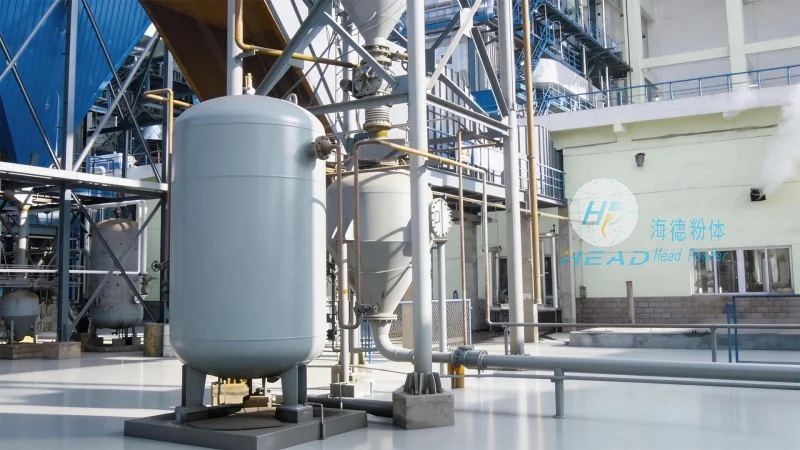
Key Components of the Dry Soybean Powder Conveying System
The dry soybean powder conveying system typically consists of several key components that work together to achieve efficient material handling. These components include hoppers for material storage, conveyors such as screw conveyors or pneumatic systems for transporting the powder, and control systems to regulate the flow and speed. Each component is carefully selected and integrated to ensure optimal performance and minimal downtime. The hoppers are designed to hold the soybean powder securely, preventing spillage and maintaining a consistent feed rate. The conveyors are engineered to handle the specific characteristics of soybean powder, such as its fine particle size and potential for static electricity, which can affect the conveying efficiency.
Design Principles Behind the Dry Soybean Powder Conveying System
The design principles of the dry soybean powder conveying system are centered on efficiency, reliability, and safety. Engineers from Shandong HeadPowder Engineering Co., Ltd. focus on creating systems that minimize material degradation and ensure consistent product quality. The design considers factors like the powder's flow properties, bulk density, and moisture content to optimize the conveying process. For example, the use of airtight and dust-proof enclosures helps prevent contamination and loss of product. Additionally, the system incorporates features like variable speed drives and sensors to monitor and adjust the conveying rate in real-time, adapting to changes in the powder's characteristics or operational conditions.
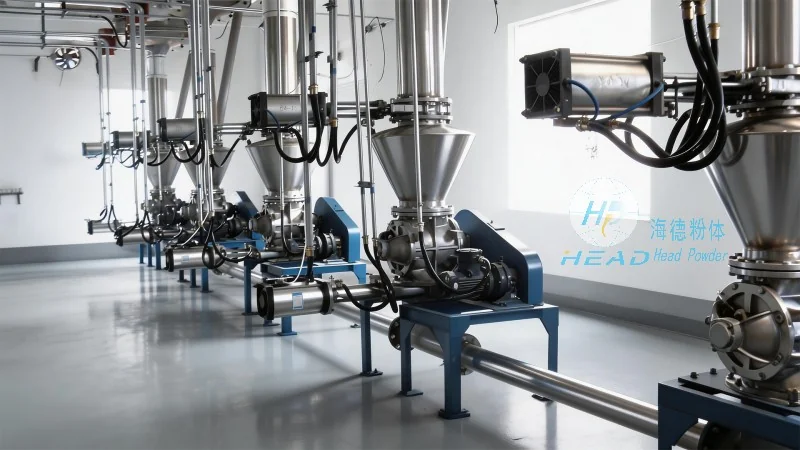
How the Dry Soybean Powder Conveying System Operates
When the system is in operation, the dry soybean powder is first fed into the hopper from a storage silo or processing unit. The powder then flows into the conveyor, which may be a screw conveyor or a pneumatic conveyor, depending on the system design. In a screw conveyor, the powder is moved by rotating screws that push the material forward. In a pneumatic system, compressed air is used to create a flow of air that carries the powder through the pipeline. The control system regulates the speed of the conveyor and the pressure of the air in the pneumatic system, ensuring a steady and controlled flow of soybean powder. The system also includes safety features such as emergency stop buttons and overload protection to prevent damage to the equipment and ensure the safety of operators.
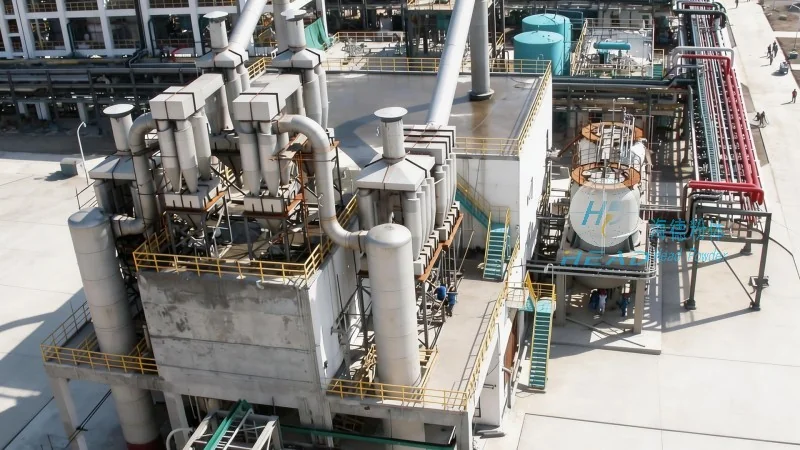
Benefits of Using a Dry Soybean Powder Conveying System
Implementing a dry soybean powder conveying system offers numerous benefits for businesses. Firstly, it improves operational efficiency by automating the material handling process, reducing the need for manual labor and minimizing the risk of human error. Secondly, it enhances product quality by maintaining the integrity of the soybean powder during transportation, preventing contamination and degradation. Thirdly, it increases safety by reducing the exposure of operators to dust and potential hazards associated with manual handling. Additionally, the system can be customized to meet specific production requirements, allowing businesses to scale their operations as needed. The use of advanced materials and engineering in the design of the system ensures durability and long-term performance, providing a reliable solution for soybean powder transportation.
Customization and Integration with Existing Systems
Shandong HeadPowder Engineering Co., Ltd. specializes in designing and manufacturing customized dry soybean powder conveying systems tailored to the specific needs of each client. The company considers factors such as the volume of soybean powder to be handled, the distance of transportation, and the existing infrastructure when designing a system. The systems can be integrated with existing processing lines or storage facilities, ensuring a seamless transition and minimal disruption to operations. The company also provides after-sales support and maintenance services to ensure the long-term performance and reliability of the equipment. By working closely with clients, HeadPowder engineers can develop solutions that optimize the conveying process and improve overall operational efficiency.