

What is a Dust-Free Powder Feeding and Conveying Machine? And What Are Its Design Principles?
Understanding dust-free powder feeding and conveying machines is crucial in industries where handling fine powders requires strict contamination control. These specialized systems are designed to transport powders without generating dust, ensuring product purity and operational safety. In this article, we explore the fundamental aspects of such machines, including their design principles and the key components that enable efficient, dust-free operation.
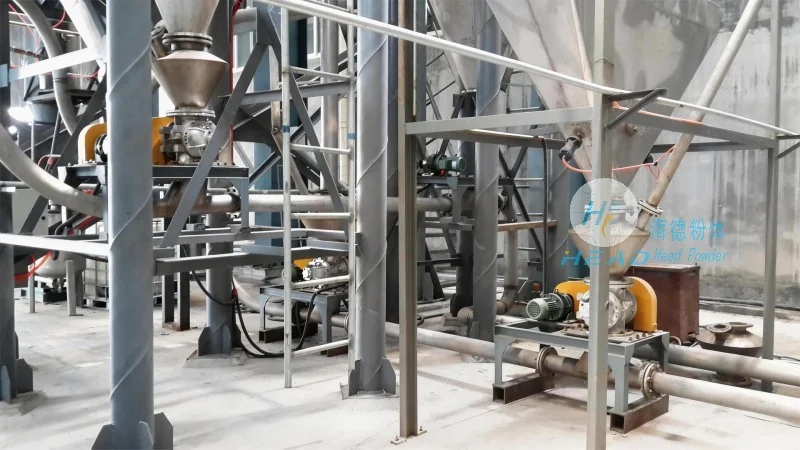
Powder Handling Challenges and the Need for Advanced Solutions
In many industrial applications, such as pharmaceuticals, food processing, and chemical manufacturing, the quality of powders is paramount. Conventional methods of powder handling often lead to dust generation, which can compromise product integrity, pose health risks to workers, and create environmental hazards. To address these challenges, manufacturers have developed dust-free powder feeding and conveying systems that integrate advanced engineering and materials science. These machines are engineered to minimize particle release while maintaining high throughput and reliability.
About HeadPowder: A Leading Provider of Powder Handling Solutions
HeadPowder, a prominent company based in Shandong, China, specializes in the design, manufacturing, and supply of advanced powder handling equipment. With a strong commitment to innovation and quality, HeadPowder has established itself as a trusted partner for industries requiring precise and dust-free powder processing. The company’s headquarters and operational base are located in Shandong, China, where it leverages local expertise and resources to deliver tailored solutions for global clients.
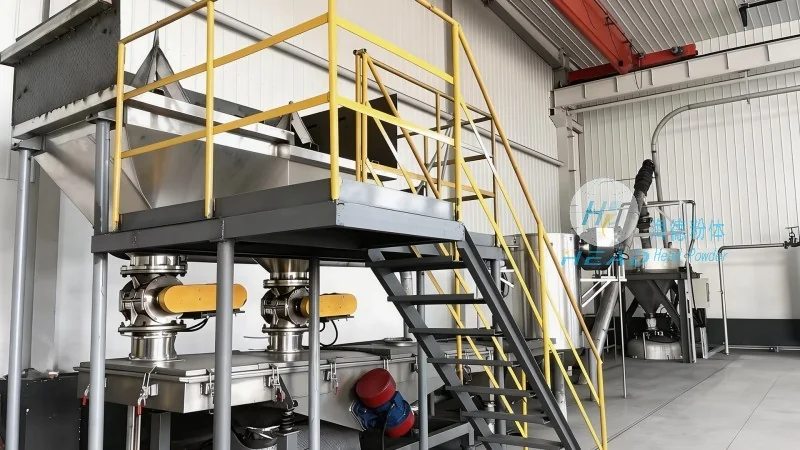
What is a Dust-Free Powder Feeding and Conveying Machine?
A dust-free powder feeding and conveying machine is a specialized piece of equipment designed to transport dry powders from a storage container to a processing unit or another location without generating airborne particles. The primary goal of these machines is to maintain a clean environment, prevent product contamination, and ensure compliance with industry regulations. Unlike traditional pneumatic or mechanical conveyors, dust-free systems incorporate robust sealing mechanisms and controlled airflow to contain powder particles within the system.
Key Design Principles and Components
The design of a dust-free powder feeding and conveying machine is centered on several critical principles to ensure optimal performance and safety. The most important components include:
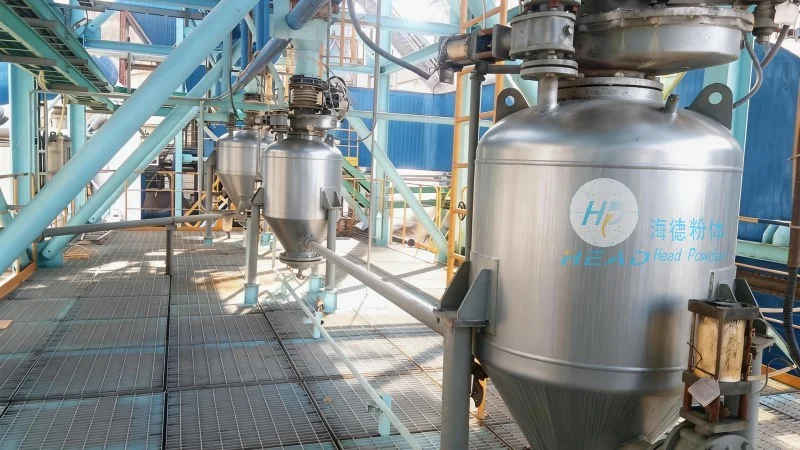
- Sealing System: This is the core of the machine, designed to prevent dust leakage. Advanced sealing technologies, such as double mechanical seals or magnetic couplings, are used to create an airtight environment, ensuring that powders remain contained and do not escape into the surrounding air.
- Drive Mechanism: The machine utilizes a motor-driven system to move the powder through the conveyor. This can include screw conveyors, auger systems, or pneumatic pumps, depending on the specific application. The drive is typically enclosed to minimize dust exposure and is equipped with safety features to prevent overloading.
- Control Panel: An integrated control system allows operators to monitor and adjust the machine’s performance in real-time. This includes features like variable speed control, pressure monitoring, and automatic shut-off in case of system failure or overfilling. The control panel is designed to be user-friendly and accessible, ensuring ease of operation.
- Material Construction: The machine is constructed from materials that are resistant to corrosion and wear, such as stainless steel or high-grade plastics. These materials not only enhance durability but also contribute to the overall hygiene and safety of the system, making them suitable for food and pharmaceutical applications.
How Dust-Free Systems Work: The Operational Process
The operation of a dust-free powder feeding and conveying machine involves a series of steps that ensure efficient and contamination-free powder transfer. The process typically begins with the powder being fed into the machine from a hopper or storage bin. The machine then uses the drive mechanism to move the powder through the sealed conveyor. As the powder moves, it is contained within the system, preventing dust from escaping. The control panel allows operators to adjust the speed and pressure as needed to maintain optimal flow rates. The system is designed to stop automatically if any component fails or if the hopper becomes empty, ensuring safety and preventing product loss.
Advantages of Dust-Free Powder Feeding and Conveying Machines
Implementing dust-free powder feeding and conveying systems offers numerous benefits for industrial operations. These include: