

What is a Metal Silicon Powder Conveying System Equipment? Understanding Its Design Principles
For industrial applications involving the handling and transportation of metal silicon powders, specialized equipment is essential to ensure efficiency, safety, and product integrity. The metal silicon powder conveying system equipment is a critical component in such processes, designed to manage the flow of these fine powders from storage to processing units. This equipment plays a vital role in maintaining the quality of metal silicon powders, which are widely used in various industries including electronics, metallurgy, and chemical manufacturing.
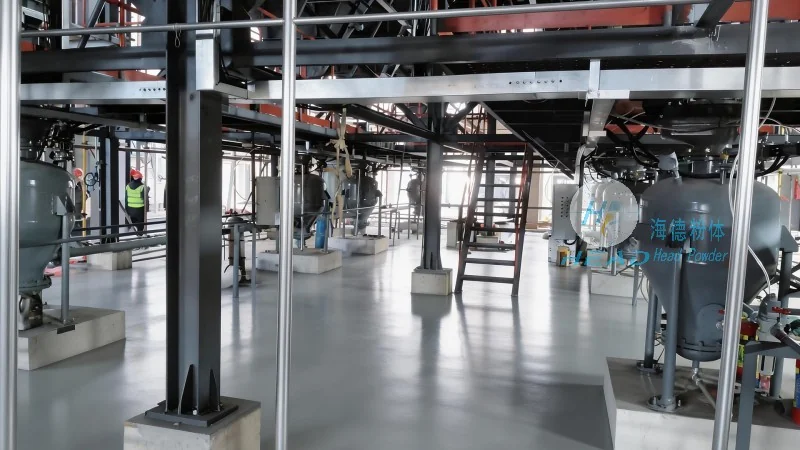
About Shandong HeadPowder Engineering Co., Ltd.
HeadPowder, a leading manufacturer based in Shandong, China, specializes in the design and production of advanced powder handling systems. With years of experience in the industry, the company has developed a comprehensive range of equipment tailored to meet the specific needs of clients dealing with metal silicon powders. The company's commitment to quality and innovation has established it as a trusted partner in the field of powder processing technology.
Design Principles of Metal Silicon Powder Conveying Systems
The design of metal silicon powder conveying systems is based on several key principles aimed at optimizing performance and reliability. One of the primary considerations is the prevention of powder caking and agglomeration, which can occur due to moisture absorption or improper handling. To address this, the system incorporates features such as sealed containers, moisture-resistant materials, and controlled environment conditions. Additionally, the design focuses on minimizing particle degradation during transport, as metal silicon powders are sensitive to mechanical stress and temperature variations.
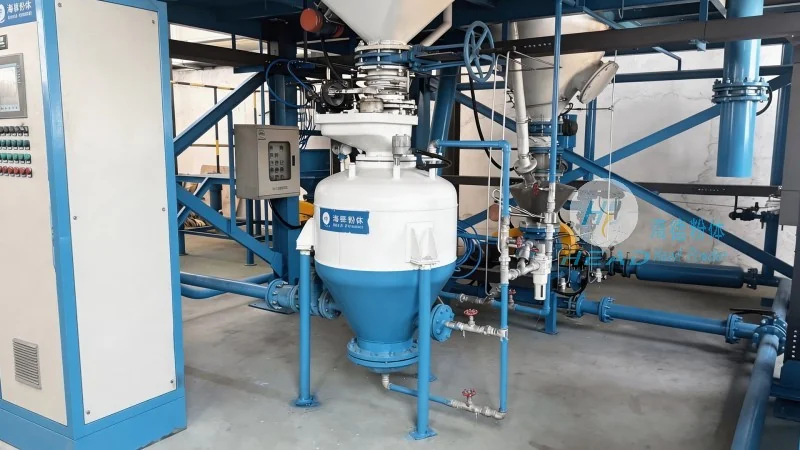
Another crucial aspect is the selection of appropriate conveying methods. Common techniques include pneumatic conveying, where compressed air is used to move the powder through pipelines, and mechanical conveying, such as screw conveyors or belt conveyors. The choice of method depends on factors like the powder's properties, the required conveying distance, and the desired flow rate. Pneumatic systems are particularly effective for fine powders like metal silicon, as they can handle high volumes with minimal pressure loss. Mechanical systems, on the other hand, offer advantages in terms of low energy consumption and the ability to handle larger particles or bulk materials.
The system also incorporates control mechanisms to regulate the flow rate and pressure. Sensors and control valves are used to monitor the powder level and adjust the air or mechanical force accordingly. This ensures a consistent and stable flow, preventing overloading or underflow in the conveying process. Furthermore, the design includes safety features to protect operators and equipment from potential hazards, such as dust explosions or material blockages. These features may include explosion-proof components, pressure relief valves, and emergency shut-off systems.
Key Components of the Conveying System
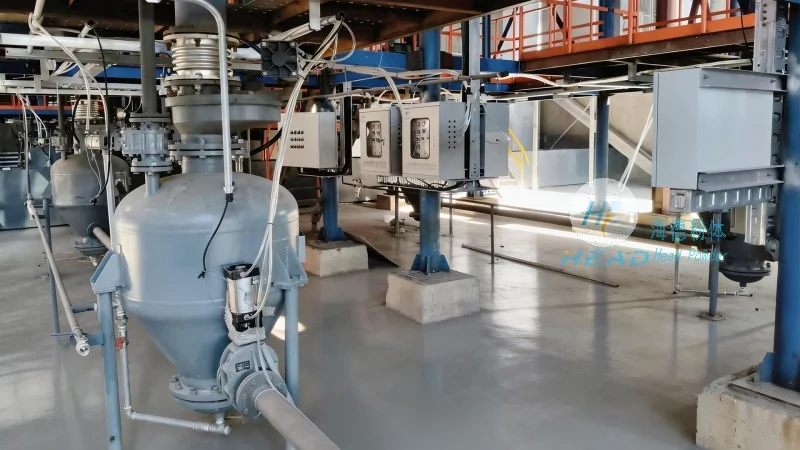
The metal silicon powder conveying system typically consists of several interconnected components that work together to achieve efficient material transport. The primary components include a storage hopper, a feeding device, a conveying line, and a discharge unit. The storage hopper is designed to hold the metal silicon powder in a controlled environment, often with a lid to prevent contamination and moisture ingress. The feeding device, such as a rotary valve or a feeder, regulates the flow of powder from the hopper into the conveying line. The conveying line, which may be made of stainless steel or other corrosion-resistant materials, transports the powder to the processing unit. The discharge unit, such as a rotary valve or a spout, releases the powder into the next stage of the process.
Each component is carefully selected to match the properties of metal silicon powder. For example, the storage hopper may be equipped with a heating element to maintain the powder at a consistent temperature, preventing agglomeration. The conveying line may be insulated to minimize heat loss or gain, which can affect the powder's properties. The discharge unit may include a filter or a separator to remove any impurities or moisture from the powder before it enters the processing stage.
Applications of Metal Silicon Powder Conveying Systems
Metal silicon powder conveying systems are widely used in various industrial applications where the handling of fine powders is critical. In the electronics industry, these systems are used to transport metal silicon powders for the production of semiconductors and other electronic components. The high purity and consistent quality of the powder are essential for ensuring the performance and reliability of these products. In the metallurgy industry, the systems are used to convey metal silicon powders for alloy production, where the powder is mixed with other metals to create new alloys with specific properties. In the chemical industry, the systems are used to transport metal silicon powders for the manufacturing of chemicals and coatings, where the powder is used as a raw material or an additive.
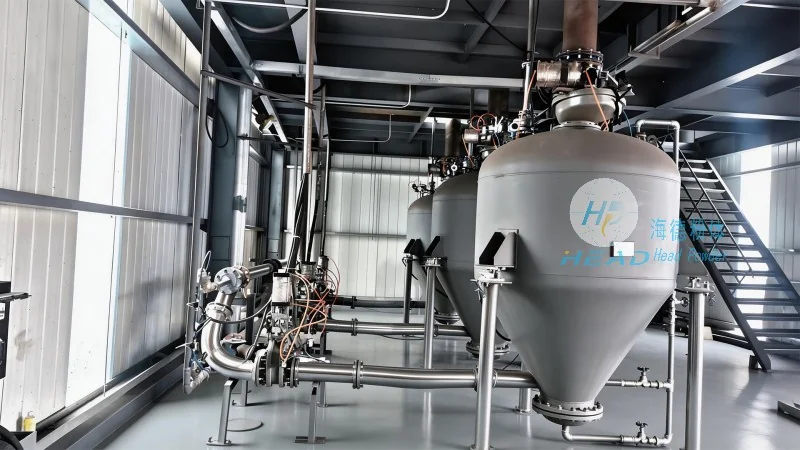
The versatility of the metal silicon powder conveying system makes it suitable for a wide range of applications. Whether it's for small-scale laboratory use or large-scale industrial production, the system can be customized to meet the specific requirements of the client. The ability to handle different powder types and flow rates makes it a valuable asset in any powder processing operation.
Conclusion
Metal silicon powder conveying system equipment is a sophisticated and essential component in the industrial processing of metal silicon powders. The design principles and components of these systems are carefully engineered to ensure efficient, safe, and reliable handling of the powder. Companies like Shandong HeadPowder Engineering Co., Ltd. play a crucial role in providing advanced solutions that meet the evolving needs of the industry. By understanding the design principles and components of these systems, businesses can optimize their powder handling processes and improve overall productivity.