

What is a Lithium Battery Material Powder Conveying System Equipment? What are its Design Principles
Understanding the Lithium Battery Material Powder Conveying System Equipment and Its Design Principles is crucial for optimizing material handling processes in the lithium battery manufacturing industry. This equipment plays a vital role in ensuring efficient and reliable transportation of various powder materials used in the production of lithium batteries. By exploring the design principles and operational aspects of such systems, stakeholders can gain insights into how these technologies enhance productivity and maintain quality standards in battery production.
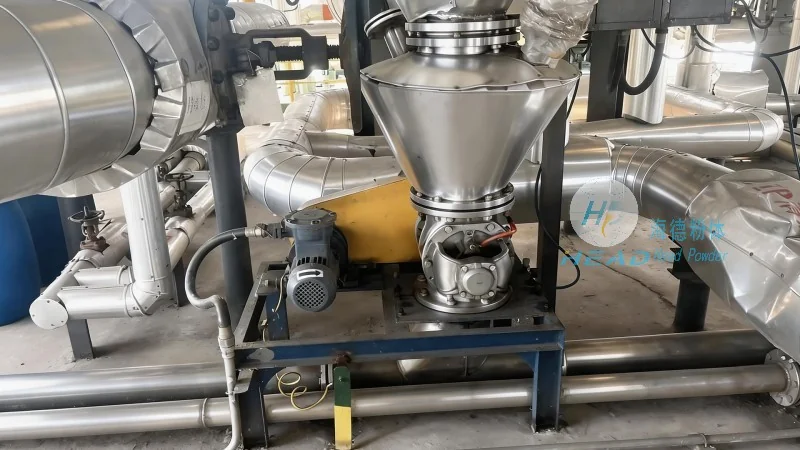
Introduction to HeadPowder and Its Expertise
HeadPowder, formally known as Shandong HeadPowder Engineering Co., Ltd., is a leading provider of specialized engineering solutions for material handling systems. With a strong presence in China, particularly in Shandong, the company has established itself as a trusted partner in the development and implementation of advanced powder conveying technologies. HeadPowder's commitment to innovation and precision engineering enables them to deliver customized solutions tailored to the specific needs of clients in the lithium battery sector. The company's team of experts leverages extensive industry knowledge and cutting-edge technologies to design and manufacture equipment that meets the highest standards of performance and reliability.
Overview of Lithium Battery Material Powder Conveying Systems
A Lithium Battery Material Powder Conveying System Equipment is a sophisticated setup designed to transport various powder materials, such as cathode active materials, anode materials, and other additives, from storage to processing units within a lithium battery manufacturing facility. These systems are engineered to handle materials with varying properties, including different particle sizes, moisture content, and flow characteristics. The primary goal of such systems is to ensure a continuous, controlled, and efficient flow of materials, minimizing downtime and maximizing throughput. Key components of these systems typically include hoppers, feeders, conveyors, and control mechanisms that work in tandem to achieve seamless material transfer.
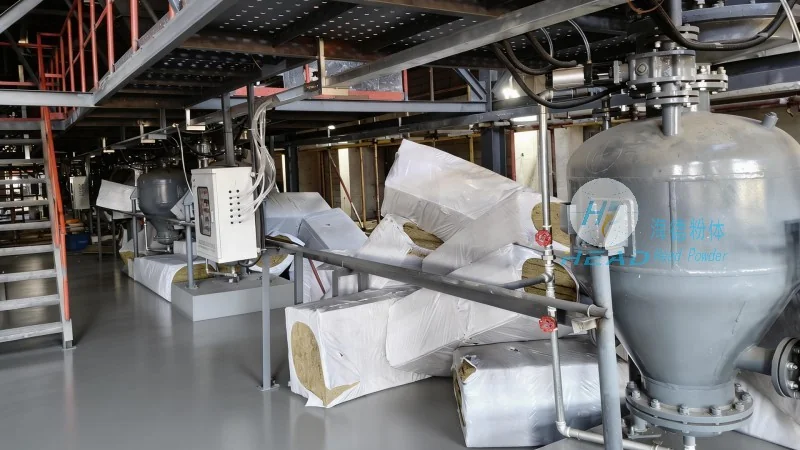
Design Principles Underpinning the Equipment
The design principles of lithium battery material powder conveying systems are centered on several critical factors, including material compatibility, system efficiency, and operational safety. Material compatibility is a paramount consideration, as the equipment must be able to handle diverse powder types without causing contamination or degradation. This involves selecting appropriate materials for construction, such as stainless steel or specialized alloys, to resist corrosion and maintain material purity. System efficiency is achieved through the integration of advanced control systems that monitor and regulate the flow rate, pressure, and temperature of the conveyed materials. These controls ensure that the system operates within optimal parameters, reducing energy consumption and enhancing overall productivity.
Operational safety is another key design principle, as powder handling systems can pose risks related to dust explosions and material spillage. Therefore, the equipment incorporates safety features like explosion-proof designs, dust collection systems, and emergency shut-off mechanisms. Additionally, the design emphasizes ease of maintenance and cleaning to prevent material buildup and ensure long-term reliability. The integration of sensors and monitoring tools allows for real-time tracking of system performance, enabling proactive maintenance and reducing the likelihood of unexpected failures.
Key Components and Their Functions
Several critical components contribute to the functionality of a lithium battery material powder conveying system. The hopper serves as the storage container for the powder material, with designs optimized to minimize material bridging and ensure consistent feeding. The feeder, often a rotary valve or a vibratory feeder, regulates the flow of material from the hopper to the conveyor. This component is crucial for maintaining a steady flow rate, preventing overfeeding or underfeeding, which can impact downstream processes. The conveyor system, which may include screw conveyors, pneumatic conveyors, or belt conveyors, transports the powder from the feeder to the processing unit. The choice of conveyor type depends on the material properties and the required distance of transport. Finally, the control panel manages all operational aspects, including speed adjustments, pressure monitoring, and safety interlocks. This centralized control ensures that the system operates smoothly and can be easily adjusted to accommodate different production requirements.
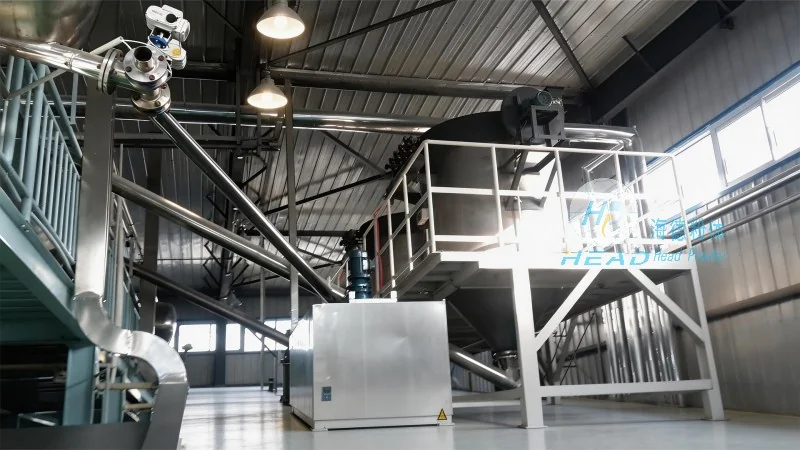
Advantages of Using Lithium Battery Material Powder Conveying Systems
Implementing a lithium battery material powder conveying system offers numerous advantages for manufacturers. Firstly, it enhances operational efficiency by automating the material handling process, reducing manual labor and minimizing human error. The consistent flow of materials ensures that production lines operate continuously, leading to higher throughput and reduced production costs. Secondly, the system improves material quality by maintaining a controlled environment, preventing contamination and ensuring uniform material properties. This is particularly important in lithium battery production, where even minor variations in material composition can affect battery performance and lifespan. Thirdly, the equipment enhances safety by reducing the risk of dust explosions and material spills. The integrated safety features and enclosed design minimize exposure to hazardous materials, creating a safer working environment for personnel. Additionally, the system's modular design allows for scalability, enabling manufacturers to expand their production capacity as needed without significant investments in new infrastructure.
Conclusion and Future Developments
In conclusion, the lithium battery material powder conveying system equipment is a vital component in modern lithium battery manufacturing, designed to optimize material handling processes while ensuring efficiency, safety, and quality. HeadPowder, with its expertise and commitment to innovation, continues to lead in the development of advanced solutions tailored to the evolving needs of the industry. As technology advances, future developments may include the integration of artificial intelligence and machine learning to further enhance system performance and predictive maintenance capabilities. However, the core design principles of material compatibility, efficiency, and safety will remain fundamental to the continued success of these systems in the lithium battery sector. By leveraging such advanced technologies, manufacturers can achieve higher productivity, lower operational costs, and improved product quality, solidifying their position in the competitive global market.