

What is a Lithium-Ion Battery Positive Electrode Material Powder Conveying System? And Its Design Pr
For manufacturers in the lithium-ion battery industry, the efficient and reliable handling of positive electrode materials is a critical aspect of production. The lithium-ion battery positive electrode material powder conveying system is a specialized piece of equipment designed to address the unique challenges associated with processing these fine powders. This system plays a vital role in ensuring consistent material flow, maintaining material quality, and enhancing overall production efficiency. In this article, we will explore the key components, design principles, and operational aspects of such a system, providing a comprehensive overview for industry professionals.
Key Components of the Powder Conveying System
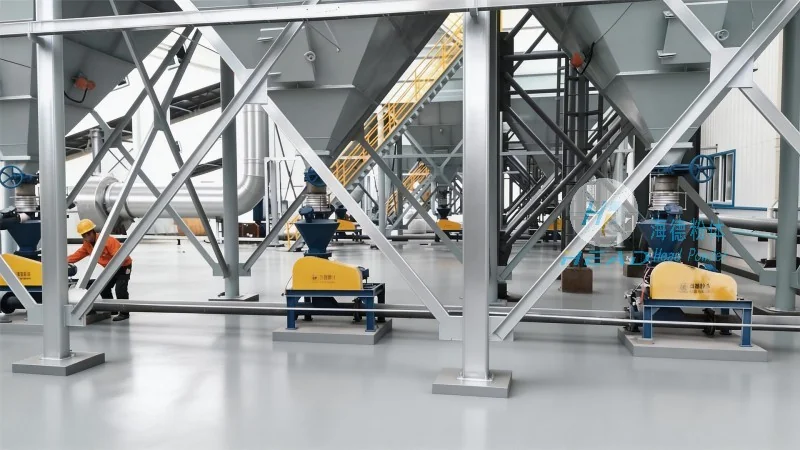
The lithium-ion battery positive electrode material powder conveying system typically consists of several core components that work in tandem to achieve effective material transport. These components include: feed hoppers, which are used to store and feed the positive electrode powder; conveying mechanisms such as screw conveyors, pneumatic conveying systems, or mechanical vacuum pumps; and control systems that regulate the flow rate and pressure. Each component is carefully selected and integrated to ensure seamless operation and minimal material degradation. The feed hopper is designed to handle bulk quantities of powder, often equipped with level sensors to monitor inventory levels and prevent overfilling. The conveying mechanism is chosen based on the specific properties of the positive electrode material, such as particle size, moisture content, and flowability. For example, screw conveyors are commonly used for dry, free-flowing powders, while pneumatic systems are preferred for materials that are more cohesive or require airtight handling. The control system provides real-time monitoring and adjustment capabilities, allowing operators to optimize the conveying process and maintain consistent performance.
Design Principles for Efficient Material Handling
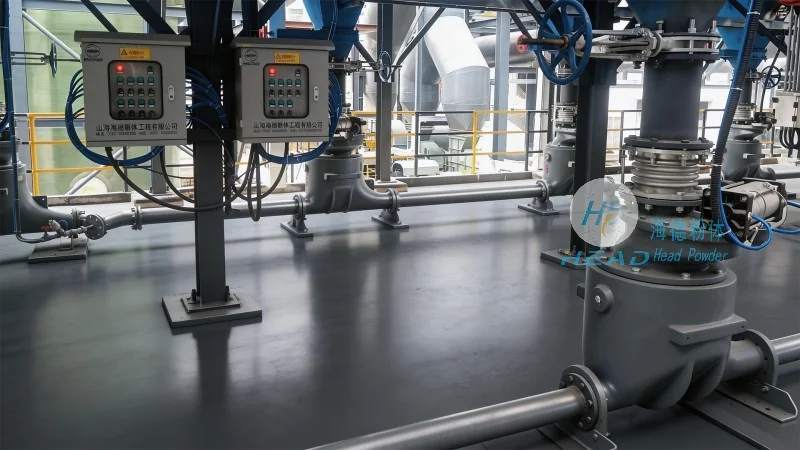
The design of a lithium-ion battery positive electrode material powder conveying system is guided by several fundamental principles aimed at maximizing efficiency and minimizing operational issues. One of the primary principles is the minimization of material degradation during transport. This is achieved through the use of smooth, non-abrasive surfaces in the conveying components, as well as gentle handling mechanisms that prevent particle breakage or agglomeration. Another key principle is the prevention of material contamination. The system is typically constructed from materials that are resistant to corrosion and compatible with the chemical properties of the positive electrode powders, such as stainless steel or specialized plastics. Additionally, the design incorporates features to prevent dust generation and ensure proper filtration, maintaining a clean and safe working environment. The system also prioritizes energy efficiency, with components optimized to reduce power consumption while maintaining the required flow rates. This includes the use of variable speed drives and energy recovery systems in some designs. Furthermore, the design considers the scalability of the system, allowing for easy expansion or integration with larger production lines. By adhering to these design principles, manufacturers can ensure that the powder conveying system operates reliably and effectively, supporting high-quality production of lithium-ion battery positive electrodes.
Operational Considerations and Maintenance
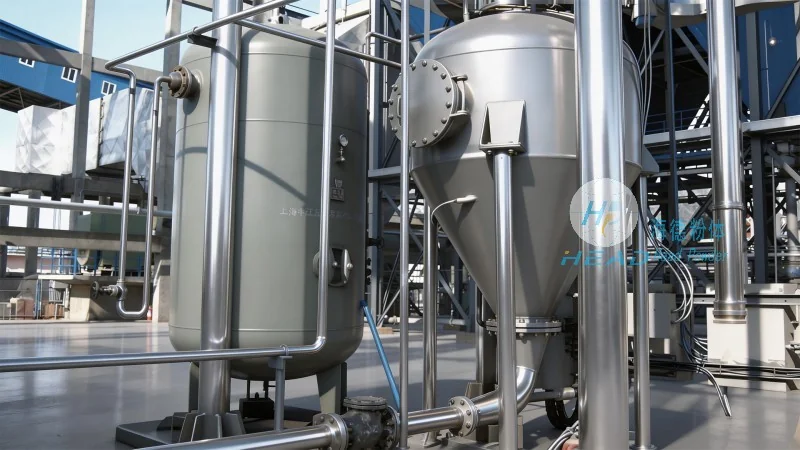
Proper operation and maintenance of the lithium-ion battery positive electrode material powder conveying system are essential for sustained performance and longevity. Regular maintenance procedures include cleaning the conveying components to prevent the buildup of powder residue, which can affect flow rates and cause blockages. This involves using appropriate cleaning tools and methods tailored to the material being handled. Additionally, routine inspections of the system's components, such as bearings, seals, and conveyor screws, are necessary to identify and address any wear or damage before they lead to system failures. The control system should be checked regularly to ensure that all sensors and controls are functioning correctly, and calibration may be required to maintain accurate flow measurements. Operational considerations also include the proper handling of material changes. When switching between different types of positive electrode powders, it is important to clean the system thoroughly to prevent cross-contamination, which could affect the performance of the final battery product. Proper training of operators on the system's operation and maintenance is also crucial for minimizing downtime and ensuring safe operation. By following these operational guidelines, manufacturers can maximize the lifespan of the conveying system and maintain consistent production output.
Conclusion: The Importance of a Reliable Powder Conveying System
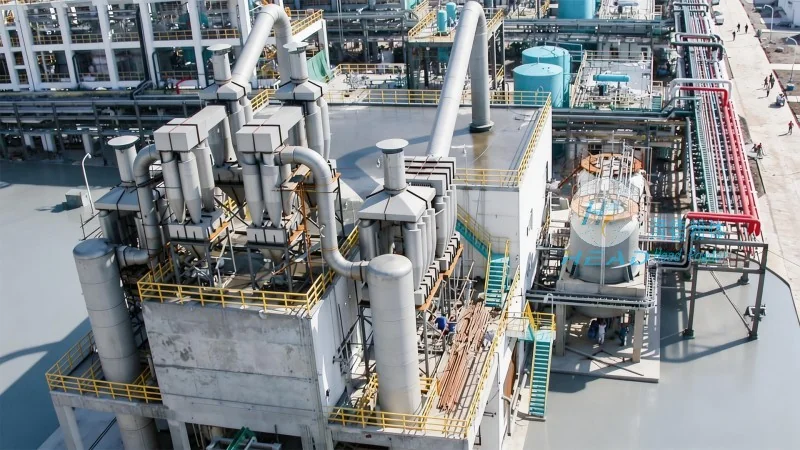
In conclusion, the lithium-ion battery positive electrode material powder conveying system is a critical piece of equipment in the battery manufacturing process. Its design and operation are tailored to handle the unique properties of positive electrode powders, ensuring efficient and reliable material transport. By adhering to key design principles and maintaining proper operational practices, manufacturers can enhance production efficiency, maintain material quality, and support the production of high-performance lithium-ion batteries. The system's reliability directly impacts the overall quality and consistency of the final battery products, making it an essential component in modern battery production facilities. As the demand for lithium-ion batteries continues to grow, the importance of such specialized equipment will only increase, underscoring the need for robust and well-designed powder conveying systems.