

What is Automatic Feeding Material Handling? What Are Its Design Principles?
Automatic feeding material handling systems represent a critical component in modern industrial operations, facilitating the efficient and precise movement of raw materials, components, or finished products through production lines. These systems are designed to automate the process of material transfer, reducing manual labor, minimizing errors, and enhancing overall productivity. Understanding the fundamentals of such systems, including their design principles, is essential for businesses seeking to optimize their manufacturing processes.
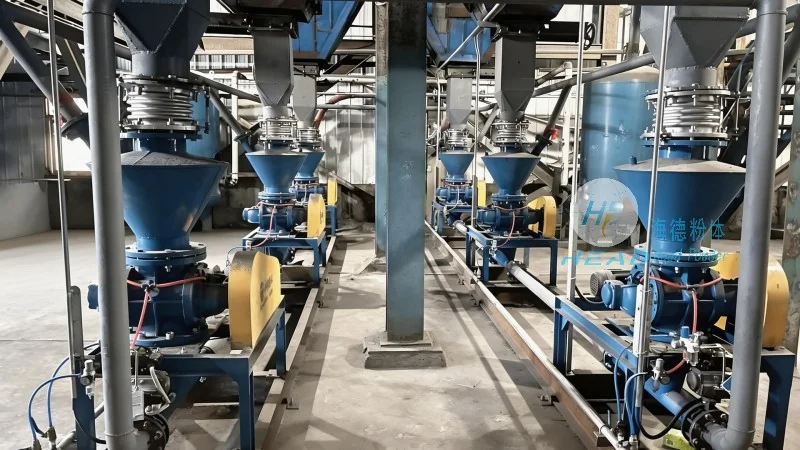
Understanding Automatic Feeding Material Handling
At its core, automatic feeding material handling involves the use of specialized equipment and technology to transport materials from one location to another within a production environment. This can include conveyor systems, robotic arms, automated guided vehicles (AGVs), and various feeding mechanisms. The primary goal is to ensure that materials are delivered to the correct workstation at the right time, supporting seamless workflow and reducing downtime. The complexity of these systems varies depending on the industry, the type of materials being handled, and the specific production requirements.
Key Design Principles of Automatic Feeding Systems
The design of an effective automatic feeding material handling system is guided by several fundamental principles that ensure reliability, efficiency, and adaptability. First, the system must be tailored to the characteristics of the materials being processed—such as size, weight, shape, and material properties—to prevent damage and ensure smooth operation. For instance, systems handling delicate components may incorporate gentle feeding mechanisms, while those dealing with heavy or bulky items may utilize robust conveyor belts or lifting mechanisms.
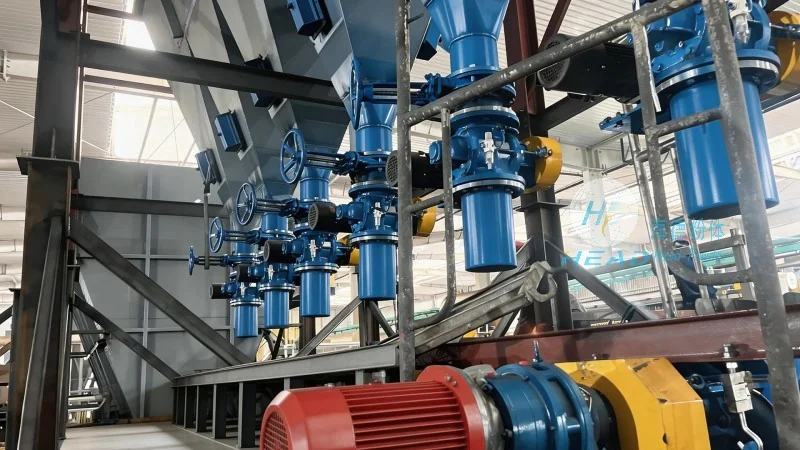
Second, integration with existing production infrastructure is a critical design consideration. A well-designed system should be compatible with current machinery, control systems, and workflow patterns, minimizing the need for extensive modifications or reconfigurations. This includes considerations for electrical connectivity, communication protocols, and safety features that align with the overall factory setup. The ability to integrate seamlessly with existing processes is essential for maximizing return on investment and maintaining operational continuity.
Third, automation and control are central to the design. Modern systems often incorporate advanced sensors, such as cameras, proximity detectors, and weight scales, to monitor material flow and adjust operations in real time. This enables dynamic adjustments to feeding rates, sorting, and routing, ensuring that the system adapts to variations in production demand or material characteristics. Additionally, programmable logic controllers (PLCs) and human-machine interfaces (HMIs) provide operators with the ability to monitor and control the system remotely, enhancing flexibility and reducing the need for on-site manual intervention.
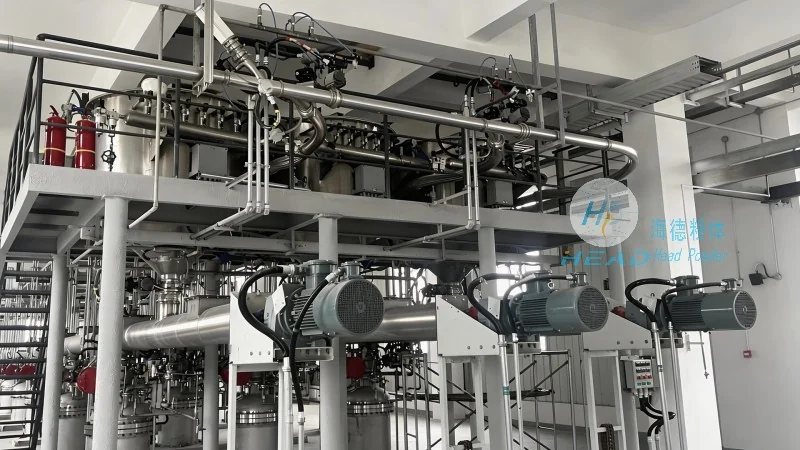
Fourth, reliability and durability are paramount. Industrial environments are subject to heavy use, temperature fluctuations, and potential contamination, which can impact system performance. Therefore, components such as motors, belts, and sensors are typically selected for their robustness and longevity. Regular maintenance schedules and diagnostic tools are also integrated into the design to minimize downtime and extend the system's operational life. The focus on reliability ensures that the system can operate continuously without frequent interruptions, supporting consistent production output.
Fifth, scalability and adaptability are important design principles for future-proofing the system. As production needs evolve, the ability to expand or reconfigure the system without major overhauls is crucial. This may involve modular components that can be added or removed as required, or software that allows for easy reprogramming of feeding patterns and routing. By designing for scalability, businesses can accommodate growth or changes in product lines without incurring significant costs or disruptions.
Role of Shandong HeadPowder Engineering Co., Ltd. in Automatic Feeding Solutions
Shandong HeadPowder Engineering Co., Ltd., commonly known as headpowder, is a leading provider of customized automatic feeding material handling solutions. With a focus on innovation and precision engineering, the company specializes in designing and manufacturing systems tailored to the unique needs of various industries, including manufacturing, pharmaceuticals, and food processing. The company's expertise lies in integrating advanced technology with practical application, ensuring that each system meets the specific requirements of its client.
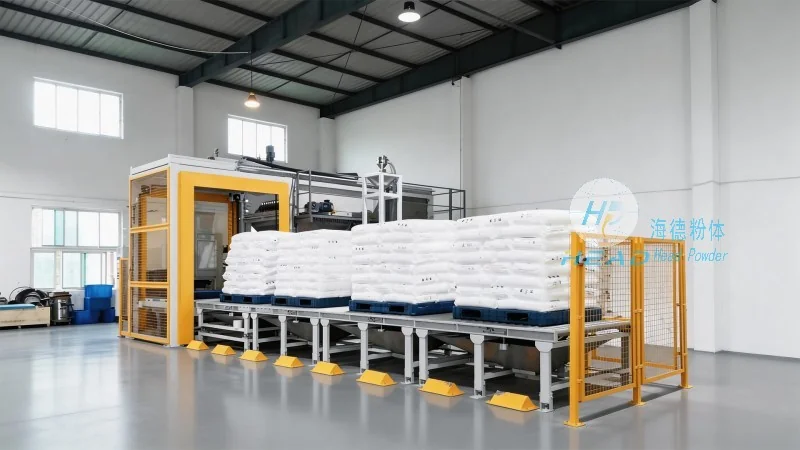
HeadPowder's approach to system design emphasizes a comprehensive understanding of the client's production processes. By conducting thorough assessments of material characteristics, workflow patterns, and operational constraints, the company develops solutions that optimize efficiency and reduce costs. The design process involves collaboration with clients to ensure that the final system aligns with their long-term goals and operational standards. This collaborative approach results in systems that are not only effective but also easy to integrate and maintain.
The company's commitment to quality is evident in its use of high-grade materials and rigorous testing protocols. Each component is manufactured to meet or exceed industry standards, ensuring durability and reliability. Additionally, the company provides comprehensive support services, including installation, training, and ongoing maintenance, to ensure that clients can fully leverage the benefits of their investment. By prioritizing customer satisfaction and technical excellence, headpowder has established itself as a trusted partner in the field of automatic material handling.