

What is Wood Powder Material Handling? What Are the Design Principles?
Wood powder material handling is a critical process in various industrial applications, particularly in the manufacturing and processing of wood-based products. It involves the efficient movement of wood powder from one location to another within a production facility. The design of a wood powder handling system is crucial for ensuring optimal performance, safety, and cost-effectiveness. This article explores the fundamental aspects of wood powder material handling and the key design principles that guide its implementation.
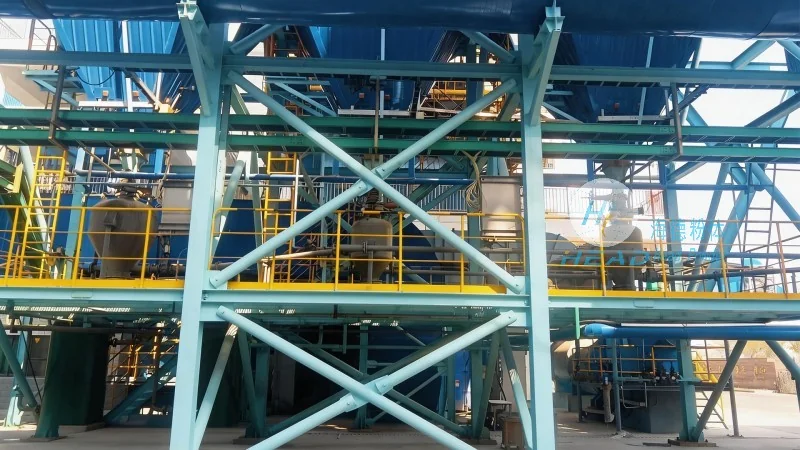
Understanding Wood Powder Material Handling
Wood powder, often derived from wood chips or sawdust, is a fine particulate material used in a wide range of applications, including animal feed, fuel, and composite materials. The handling of this material requires specialized equipment and systems to prevent issues such as dust explosions, material degradation, and operational inefficiencies. Effective wood powder material handling systems are designed to maintain the integrity of the powder, minimize dust generation, and ensure smooth material flow.
Key Design Principles for Wood Powder Handling Systems
The design of a wood powder handling system is based on several critical principles that address the unique properties of wood powder. These principles include:
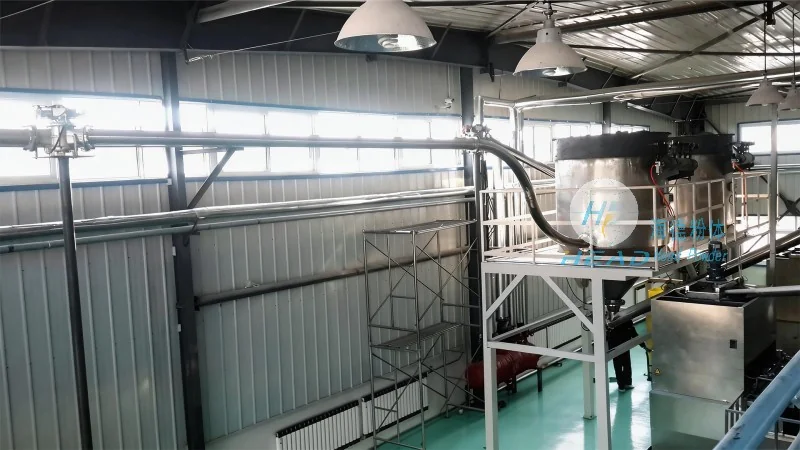
- Material Flow Analysis: Understanding the flow characteristics of wood powder, including its density, moisture content, and particle size distribution, is essential for selecting appropriate conveying equipment and system configurations.
- Dust Control: Implementing effective dust suppression and collection measures is vital to prevent dust explosions and maintain a safe working environment. This may involve using explosion-proof equipment, dust collection systems, and proper ventilation.
- Equipment Selection: Choosing the right conveying equipment, such as screw conveyors, pneumatic conveyors, or bucket elevators, based on the specific requirements of the wood powder application. Each type of equipment has its advantages and limitations, and the selection should consider factors like material handling capacity, system complexity, and cost.
- System Integration: Ensuring seamless integration of the wood powder handling system with other production processes, such as drying, grinding, or packaging. This involves coordinating the flow of material between different stages of the production line to maximize efficiency and minimize bottlenecks.
- Safety and Compliance: Adhering to industry standards and regulations related to wood powder handling, including those concerning dust explosion prevention and occupational safety. This may require implementing safety features like explosion-proof motors, flame arrestors, and regular maintenance protocols.
Components of a Typical Wood Powder Handling System
A typical wood powder handling system consists of several key components that work together to transport the material efficiently. These components include:
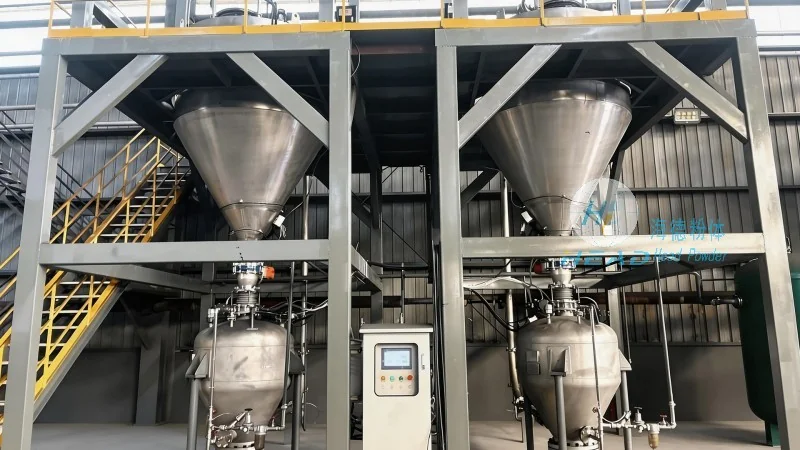
- Feed Hoppers: Used to store and feed the wood powder into the conveying system. The design of the hopper should minimize material buildup and ensure uniform flow.
- Conveying Equipment: The primary component responsible for moving the wood powder through the system. This may include screw conveyors, which are suitable for horizontal or slight incline transport, or pneumatic conveyors, which use air pressure to transport the material.
- Elevators and Lifts: Used to lift the wood powder to higher levels or to change the direction of the material flow. Bucket elevators are commonly used for vertical transport of wood powder.
- Dust Collection Systems: Essential for capturing and removing dust generated during the handling process. These systems typically include filters, fans, and collection tanks to ensure a clean and safe environment.
- Control Systems: Automated control systems are often used to monitor and regulate the operation of the wood powder handling system, ensuring optimal performance and preventing issues such as overloading or system failures.
Applications of Wood Powder Handling Systems
Wood powder handling systems are used in various industries, including:
- Animal Feed Industry: Wood powder is used as a feed additive in animal feed formulations, and efficient handling systems are required to transport the material to feed mills.
- Energy Sector: Wood powder is used as a biomass fuel source in power plants and heating systems. Handling systems are needed to transport the powder from storage to the combustion equipment.
- Composite Materials Manufacturing: Wood powder is used as a filler in the production of composite materials, such as particleboard and fiberboard. Handling systems are essential for delivering the powder to the manufacturing lines.
- Wood Processing Plants: In sawmills and wood processing facilities, wood powder is generated as a byproduct and needs to be handled and disposed of or reused.
Benefits of Proper Wood Powder Handling
Implementing an effective wood powder handling system offers several benefits, including: