

What is Magnetic Powder Material Handling? What are the Design Principles?
Magnetic powder material handling is a specialized technology used in industrial settings to transport and manage bulk materials that are prone to magnetic properties. This method leverages magnetic forces to move materials through pipelines or other conveying systems, offering a non-contact and efficient solution for handling powders, granules, and other particulate materials. The core of this technology lies in the design of magnetic powder conveyors, which integrate magnetic particles with a carrier medium to create a magnetic field that can attract and transport the target material. Understanding the principles behind this system is crucial for optimizing its performance and ensuring safe, reliable operation in various industrial applications.
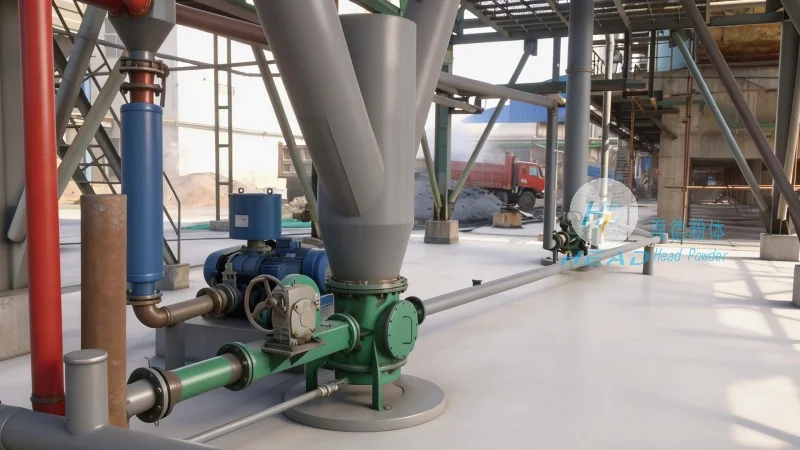
Key Components and Design Principles of Magnetic Powder Conveyors
The design of magnetic powder material handling systems revolves around several critical components that work in tandem to achieve effective material transport. The primary components include a magnetic powder mixture, a pump or conveyor mechanism, and a pipeline system. The magnetic powder mixture typically consists of a carrier fluid (such as water or oil) combined with magnetic particles like iron oxide or other ferromagnetic materials. When the mixture is pumped through a pipeline, the magnetic field generated by the system attracts the target material, which is then carried along with the magnetic powder stream. The design principles focus on optimizing the concentration of magnetic particles, the flow rate of the carrier medium, and the strength of the magnetic field to ensure efficient material transport without clogging or degradation of the material being handled.
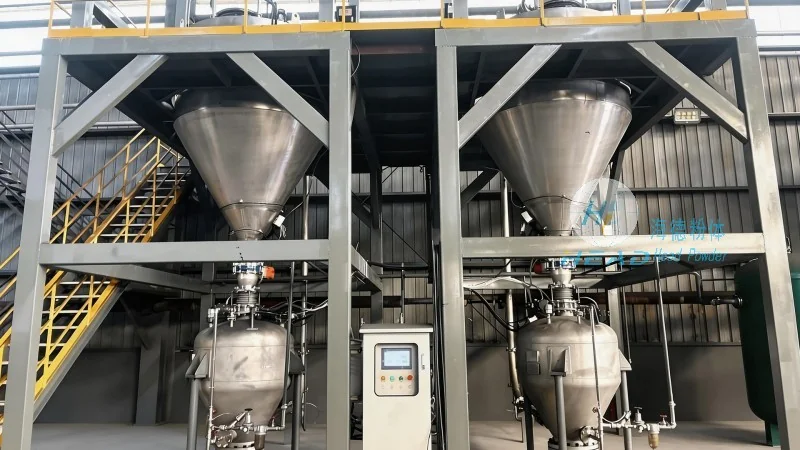
Advantages of Magnetic Powder Material Handling in Industrial Applications
One of the significant advantages of magnetic powder material handling is its ability to handle materials that are difficult to transport using traditional methods, such as those with high moisture content or those that are prone to agglomeration. The magnetic field helps to keep the material suspended and moving smoothly through the pipeline, preventing blockages and ensuring consistent flow rates. Additionally, this method is non-invasive, meaning it does not require physical contact with the material, which reduces wear and tear on equipment and minimizes the risk of contamination. The system is also highly flexible, as it can be adapted to handle a wide range of materials, from fine powders to larger granules, by adjusting the magnetic particle concentration and flow rate. This adaptability makes magnetic powder conveyors suitable for various industries, including pharmaceuticals, food processing, and chemical manufacturing, where material purity and consistency are paramount.
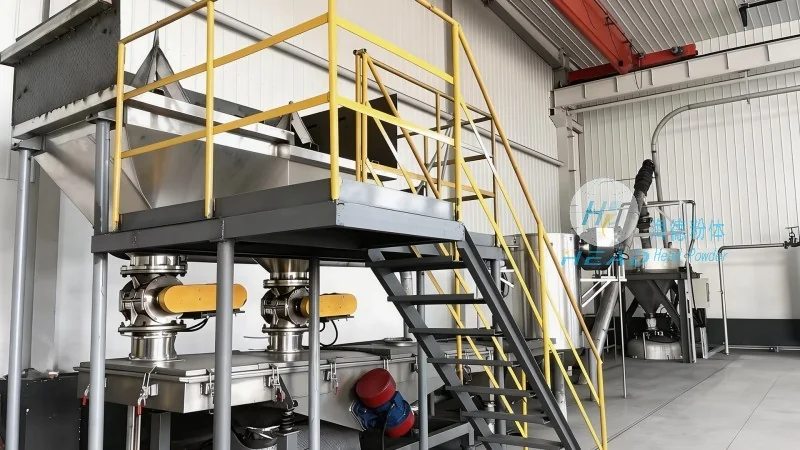
Operational Considerations and Maintenance of Magnetic Powder Conveying Systems
Proper operation and maintenance of magnetic powder material handling systems are essential to ensure long-term performance and reliability. Regular monitoring of the magnetic field strength and the concentration of magnetic particles in the carrier fluid is necessary to maintain optimal material transport. The system should also be equipped with filters and cleaning mechanisms to prevent the accumulation of debris or clogging in the pipeline. Additionally, the pump or conveyor mechanism must be maintained to ensure consistent flow rates, as fluctuations can affect the efficiency of the magnetic field and lead to material degradation. In terms of safety, the system should be designed with appropriate safety features, such as pressure relief valves and emergency shut-off mechanisms, to prevent accidents and ensure the safety of operators. By adhering to these operational and maintenance guidelines, industrial facilities can maximize the lifespan and efficiency of their magnetic powder conveying systems.
Applications of Magnetic Powder Material Handling Across Industries
Magnetic powder material handling has found widespread application in various industries due to its versatility and effectiveness. In the pharmaceutical industry, for example, magnetic powder conveyors are used to transport active pharmaceutical ingredients (APIs) and other powders, ensuring that the materials remain pure and free from contamination. The food processing industry also benefits from this technology, as it can handle food-grade powders and granules without the risk of cross-contamination or physical damage. The chemical manufacturing industry uses magnetic powder conveyors to transport raw materials and intermediates, improving the efficiency of production processes and reducing downtime. Other industries, such as mining and mineral processing, also utilize this technology to transport bulk materials like ores and minerals, which are often magnetic or can be made magnetic with the help of the system. The adaptability of magnetic powder material handling makes it a valuable tool in modern industrial operations, helping to streamline processes and improve overall productivity.
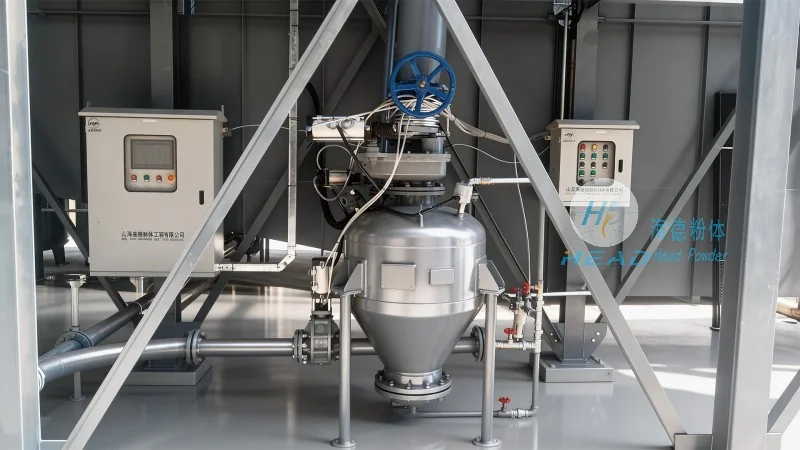
Conclusion: The Role of Magnetic Powder Material Handling in Modern Manufacturing
In conclusion, magnetic powder material handling is a sophisticated and effective technology that plays a vital role in modern industrial manufacturing. By leveraging magnetic forces to transport and manage bulk materials, this system offers a non-contact, efficient, and flexible solution for various applications. The design principles and components of magnetic powder conveyors are carefully engineered to ensure optimal performance, and with proper operation and maintenance, these systems can provide reliable and long-lasting service. As industries continue to seek more efficient and sustainable solutions for material handling, magnetic powder material handling remains a key technology that enhances productivity, reduces costs, and improves product quality. The expertise of companies like Shandong HeadPowder Engineering Co., Ltd. in designing and implementing these systems ensures that industrial facilities can achieve their material handling goals with precision and reliability.