

What is Feed Material Conveying? What Are the Design Principles?
Feed material conveying is a critical process in the agricultural and animal feed industries, involving the efficient transportation of bulk materials such as grains, pellets, and other feed components from one location to another. This process is essential for optimizing production lines, ensuring consistent feed quality, and maintaining operational efficiency in feed mills and processing facilities. The design of feed material conveying systems is based on several key principles that address the unique characteristics of feed materials, including their density, flowability, and potential for dust generation.
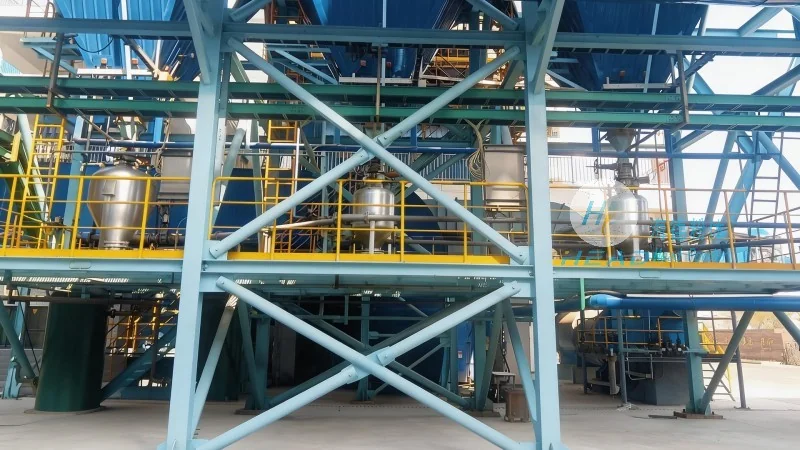
Key Design Principles for Feed Material Conveying Systems
The design of feed material conveying systems must consider multiple factors to ensure reliable and efficient operation. One of the primary principles is the selection of appropriate equipment based on the physical properties of the feed material. For example, materials with high moisture content or those that are prone to clumping may require specialized equipment like screw conveyors or pneumatic conveyors with enhanced sealing and cleaning features. Another critical principle is the consideration of material flow characteristics, including angle of repose and bulk density, which influence the choice of conveyor type and system layout. The design also needs to address the need for minimal material degradation, as feed materials are often sensitive to mechanical stress and temperature changes during transportation. Additionally, the system must be designed for easy maintenance and cleaning to prevent contamination and ensure compliance with food safety regulations.
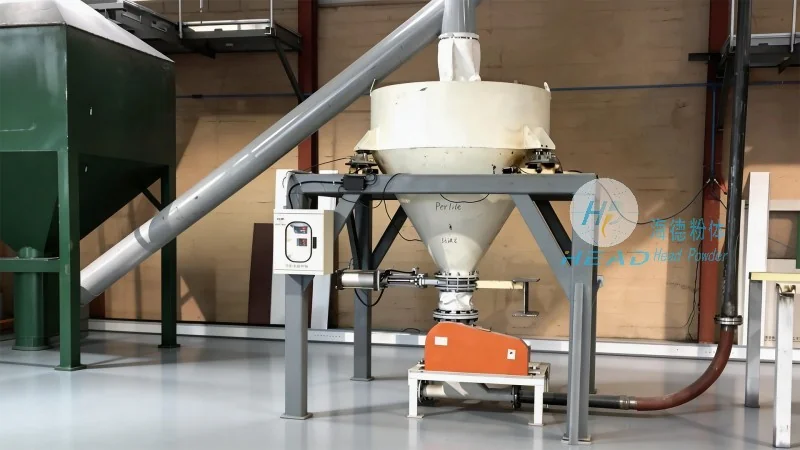
Common Equipment Used in Feed Material Conveying
Several types of equipment are commonly used in feed material conveying systems, each with specific applications and advantages. Screw conveyors are widely used for horizontal or slightly inclined transport of bulk materials. They consist of a rotating screw inside a trough, which pushes the material forward. Screw conveyors are particularly effective for handling materials with moderate flowability and are often used in feed mills for transporting raw materials to processing units. Pneumatic conveyors, on the other hand, use air pressure to move materials through a pipeline. This method is ideal for transporting fine powders or materials that are difficult to handle with mechanical conveyors, as it minimizes material degradation and can transport materials over longer distances with fewer transfer points. Belt conveyors are another common option, especially for horizontal or slightly inclined transport of larger, bulkier feed components. They are often used in feed storage and handling facilities to move materials from silos to processing areas. Each of these equipment types is selected based on the specific requirements of the feed material and the operational constraints of the facility.
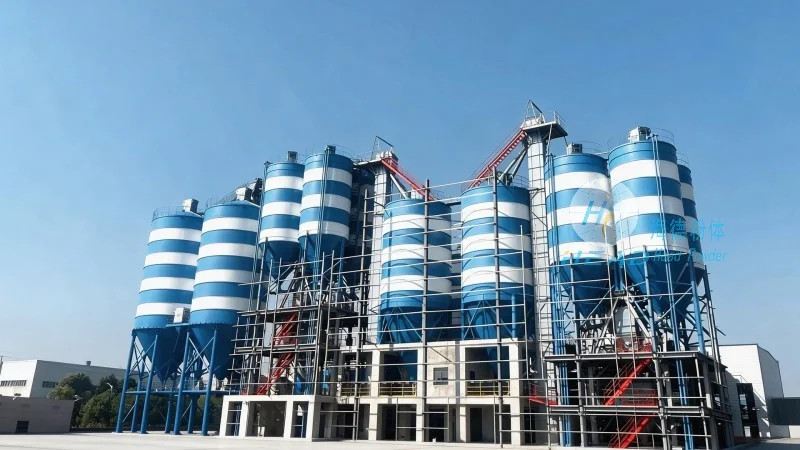
Importance of Proper Design in Feed Material Conveying
Proper design of feed material conveying systems is crucial for maximizing efficiency and minimizing operational costs. A well-designed system reduces energy consumption, minimizes material loss, and ensures consistent feed quality. For instance, the selection of the right conveyor type can significantly impact the energy required to move the material, with pneumatic systems often being more energy-efficient for fine powders but requiring higher air pressure and more maintenance. The layout of the conveying system, including the number of transfer points and the angle of inclination, also plays a critical role in overall efficiency. A poorly designed system may lead to material blockages, increased maintenance costs, and reduced production capacity. Additionally, the design must consider the environmental impact, such as dust control measures, to comply with environmental regulations and maintain a safe working environment. By adhering to sound design principles, feed mills can achieve optimal performance and ensure the reliable operation of their production lines.
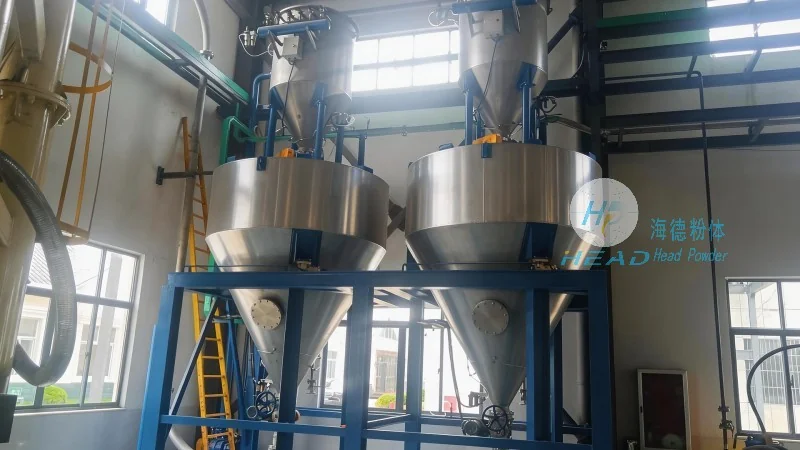
About Shandong HeadPowder Engineering Co., Ltd.
Shandong HeadPowder Engineering Co., Ltd., commonly known as HeadPowder, is a leading manufacturer of feed material conveying systems and related equipment. With its headquarters in Shandong, China, the company specializes in providing customized solutions for the agricultural and animal feed industries. HeadPowder's products are designed to meet the specific needs of feed mills, ensuring efficient and reliable material handling. The company's commitment to quality and innovation has made it a trusted partner for feed producers worldwide. By leveraging advanced engineering and manufacturing capabilities, HeadPowder delivers systems that enhance productivity, reduce operational costs, and improve overall feed quality. The company's team of experts works closely with clients to understand their unique requirements and develop tailored solutions that meet industry standards and regulatory requirements.