

What is Carbon Black Material Handling? What Are the Design Principles?
Carbon black material handling refers to the processes and systems used to transport, store, and manage carbon black, a crucial industrial pigment and reinforcing agent. As a key component in various industries such as tires, plastics, and inks, efficient handling of carbon black is essential for maintaining product quality and operational efficiency. This article explores the fundamental aspects of carbon black material handling and the key design principles that underpin effective systems.
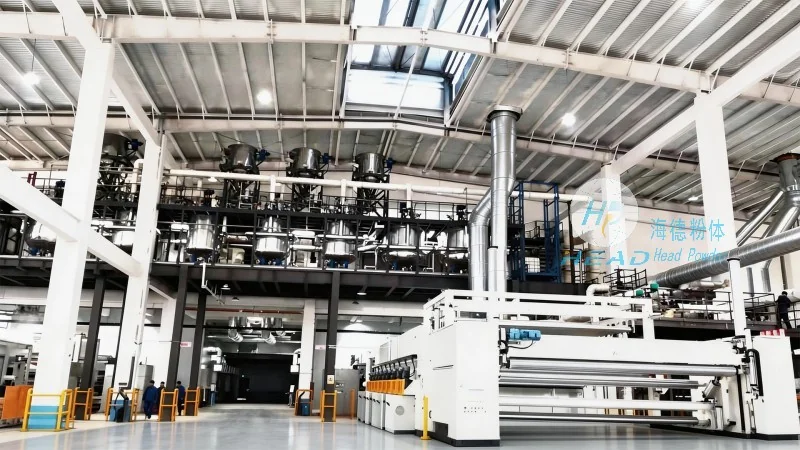
Shandong HeadPowder Engineering Co., Ltd., a leading provider in the field, specializes in the design and implementation of carbon black handling solutions. With operations based in Shandong, China, the company leverages extensive industry experience to deliver tailored systems that meet the specific needs of clients. The following sections delve into the core elements of carbon black material handling and the design principles that ensure optimal performance.
Understanding Carbon Black and Its Handling Requirements
Carbon black is a fine, black powder with a high surface area and specific density. These properties make it challenging to handle due to issues like dust generation, static electricity, and the risk of caking or agglomeration. Effective material handling systems must address these challenges to prevent product degradation and ensure safe operation. The design of such systems begins with a thorough understanding of carbon black's physical and chemical characteristics.
Key Design Principles for Carbon Black Material Handling Systems
Several critical design principles guide the development of efficient carbon black handling systems. First, the system must prioritize dust control and containment to prevent environmental contamination and protect personnel. This often involves the use of sealed conveyors, dust collection systems, and proper ventilation. Second, the design must consider the prevention of static electricity buildup, as carbon black is highly prone to generating static charges, which can lead to sparks and fire hazards. Anti-static measures, such as grounding and conductive materials, are essential components of the system.
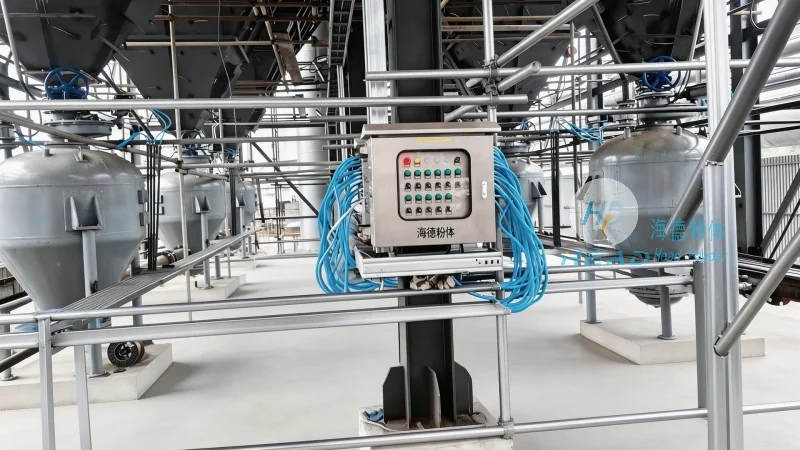
Third, the system must address the risk of caking and agglomeration, which can obstruct flow and reduce material throughput. This is typically managed through the incorporation of agitators, vibrators, or the use of anti-caking agents. Fourth, the design must ensure proper storage and transfer of carbon black, minimizing the risk of contamination from other materials and maintaining the product's purity. This includes the use of dedicated storage silos, transfer chutes, and controlled discharge mechanisms.
Equipment Selection and Integration in Carbon Black Handling
The choice of equipment is a critical factor in the effectiveness of carbon black material handling systems. Conveyors, such as belt conveyors or screw conveyors, are commonly used for horizontal and vertical transport. For bulk material handling, pneumatic conveying systems may be employed, which use air to move carbon black through pipes. The selection of equipment depends on factors like the volume of material, the distance to be transported, and the required speed of operation.
In addition to conveyors, storage equipment like silos and hoppers plays a vital role. These structures must be designed to prevent material degradation and ensure uniform discharge. The design of hoppers and silos often incorporates features like cone-shaped bases and smooth internal surfaces to facilitate flow and prevent clogging. The integration of these components into a cohesive system is essential for seamless material handling.
Ensuring Safety and Compliance in Carbon Black Handling
Carbon black handling systems must adhere to strict safety and regulatory standards. The risk of fire and explosion due to static electricity and dust accumulation requires comprehensive safety measures. These include regular maintenance of equipment, proper grounding, and the use of explosion-proof components. Additionally, the system must comply with environmental regulations to minimize the impact on air quality and surrounding areas.
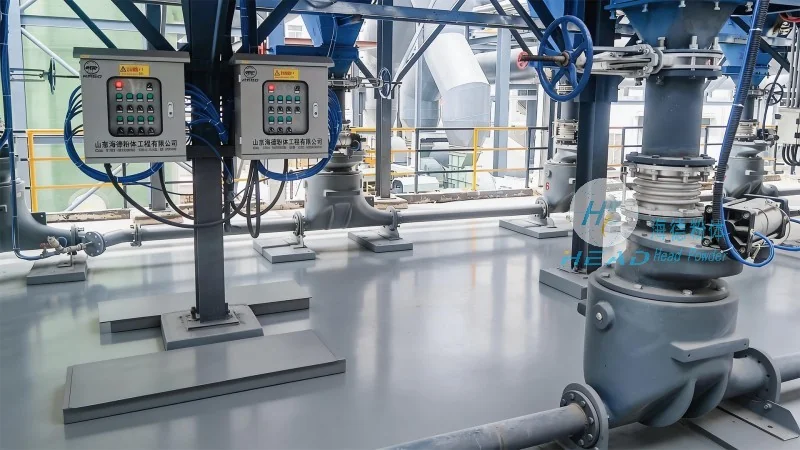
Shandong HeadPowder Engineering Co., Ltd. emphasizes safety in all its design and implementation processes. The company adheres to international safety standards and works closely with clients to ensure that their systems meet all regulatory requirements. By prioritizing safety, the company helps clients avoid costly accidents and maintain a positive environmental record.
Customization and Scalability in Carbon Black Handling Solutions
Every carbon black handling application is unique, and effective solutions require customization. Shandong HeadPowder Engineering Co., Ltd. offers tailored systems that can be scaled to meet the specific needs of clients, whether for small-scale operations or large industrial facilities. The company's team of engineers works closely with clients to understand their requirements and develop solutions that optimize performance and efficiency.
The ability to customize and scale systems is crucial for adapting to changing production needs and market demands. As industries evolve, the demand for carbon black handling solutions continues to grow, and companies like Shandong HeadPowder Engineering Co., Ltd. play a vital role in meeting these needs with innovative and effective designs.