

What is Bulk Material Handling? Understanding Design Principles
Understanding bulk material handling is crucial for industries dealing with the movement, storage, and processing of granular or particulate materials. This process involves the efficient transfer of bulk materials like grains, powders, and other substances from one location to another. The core of effective bulk material handling lies in the design and implementation of systems that ensure safety, efficiency, and reliability. In this article, we delve into the fundamental aspects of bulk material handling and explore the key design principles that underpin successful material transfer operations.
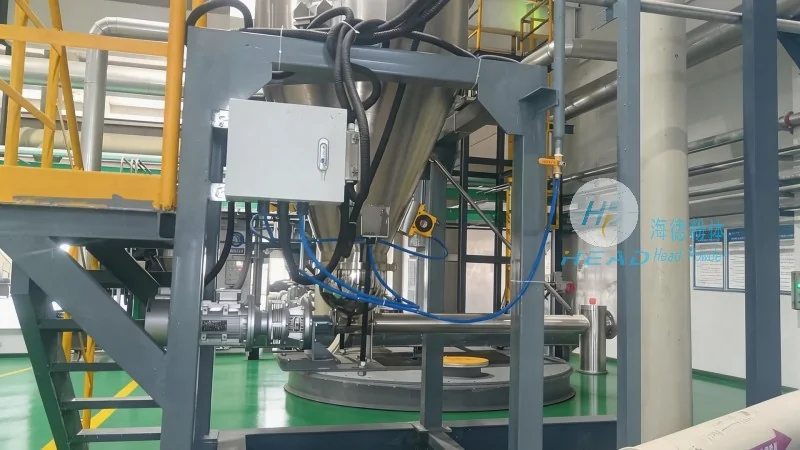
What is Bulk Material Handling? A Comprehensive Overview
Bulk material handling refers to the technology and processes used to move, store, and manage bulk materials such as grains, powders, and other particulate substances. Unlike handling individual items, bulk material handling focuses on the mass movement of materials, often in bulk quantities. This field encompasses a wide range of equipment and systems, including conveyors, elevators, feeders, and storage silos. The primary goal of bulk material handling is to optimize the flow of materials within industrial, agricultural, and processing facilities, ensuring smooth operations and minimizing downtime.
The Importance of Design Principles in Bulk Material Handling Systems
Design principles are the foundational guidelines that dictate how bulk material handling systems are constructed and operated. These principles are critical for ensuring that the systems meet the specific requirements of the application, maintain safety standards, and achieve optimal performance. Key design principles include material flow analysis, equipment selection based on material characteristics, and system integration to enhance overall efficiency. A well-designed bulk material handling system not only improves productivity but also reduces operational costs and enhances the safety of personnel and equipment.
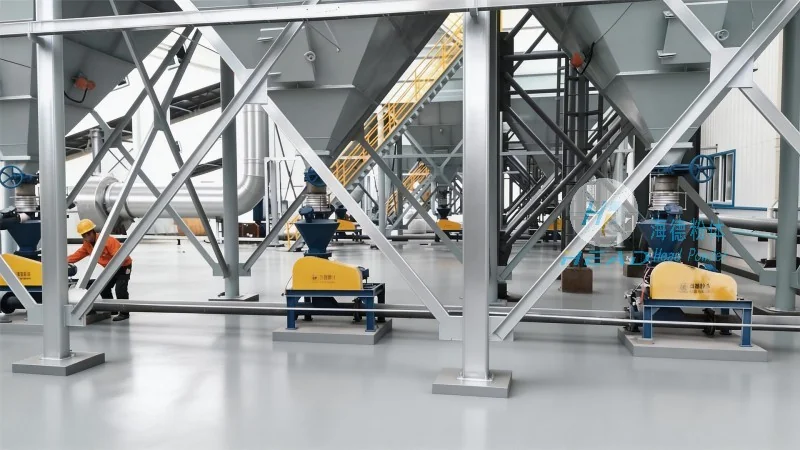
Key Components and Equipment in Bulk Material Handling
The effectiveness of bulk material handling systems relies on the integration of various components and equipment. Conveyors, such as belt conveyors and screw conveyors, are commonly used for horizontal and vertical material transport. Elevators, including bucket elevators and chain conveyors, facilitate vertical movement. Feeders, like vibratory feeders and rotary valves, control the flow rate of materials into processing equipment. Storage silos and hoppers are essential for material storage and feeding. Each component must be carefully selected and designed to handle the specific characteristics of the bulk material, such as size, density, and flowability.
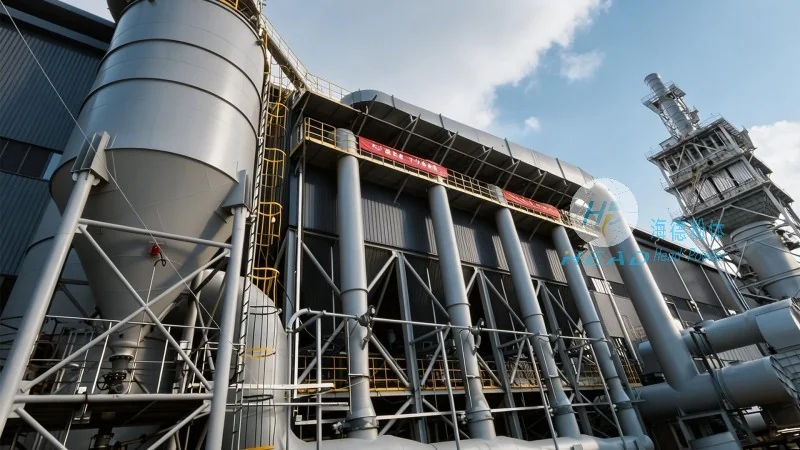
Design Considerations for Optimal Performance
Designing a bulk material handling system involves several critical considerations. First, the material characteristics must be thoroughly analyzed to determine the appropriate equipment and system configuration. Factors such as particle size distribution, moisture content, and bulk density influence the choice of conveyors and feeders. Second, the system layout must be optimized to minimize material handling distances and reduce energy consumption. Third, safety considerations, including proper guarding and emergency stop mechanisms, are paramount to protect personnel and equipment. Finally, the system must be designed for ease of maintenance and scalability to accommodate future growth or changes in material handling needs.
Case Study: HeadPowder Engineering's Expertise in Bulk Material Handling
Shandong HeadPowder Engineering Co., Ltd. specializes in the design, manufacturing, and installation of bulk material handling systems tailored to the needs of various industries. With years of experience, HeadPowder has developed a deep understanding of material handling principles and has successfully implemented systems for clients in agriculture, food processing, and chemical industries. The company's approach emphasizes customized solutions that address specific operational challenges, ensuring that each system is optimized for efficiency, safety, and reliability. By leveraging advanced engineering and material science knowledge, HeadPowder provides comprehensive solutions that enhance the productivity and profitability of its clients' operations.