

What is Dry Powder Material Handling? What are the Design Principles?
HeadPowder, a leading engineering firm based in Shandong, China, specializes in the design and implementation of dry powder material handling systems. This article explores the fundamental concepts of dry powder material handling and the core design principles that ensure efficient and reliable operation of such systems.
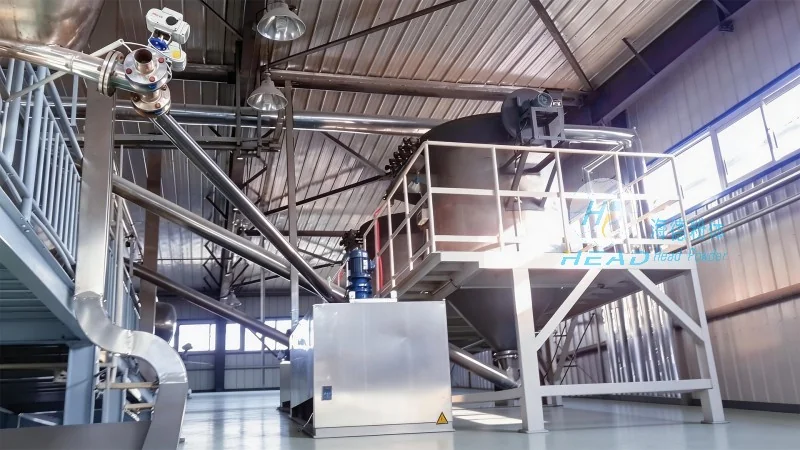
Understanding Dry Powder Material Handling
Dry powder material handling refers to the process of transporting, storing, and managing dry powders and bulk solids through various industrial applications. These materials, which include powders like cement, flour, and chemical powders, require specialized equipment and techniques to handle due to their unique properties such as flowability, dustiness, and potential for caking. The primary goal of dry powder handling is to move these materials safely and efficiently from one location to another while minimizing material loss, contamination, and operational risks.
Key Design Principles for Dry Powder Systems
The design of dry powder material handling systems is governed by several critical principles that ensure optimal performance and safety. These principles are tailored to address the specific challenges posed by dry powders, including their tendency to form static charges, agglomerate, or create dust clouds. A well-designed system incorporates features such as proper sealing, grounding, and dust suppression mechanisms to mitigate these risks.
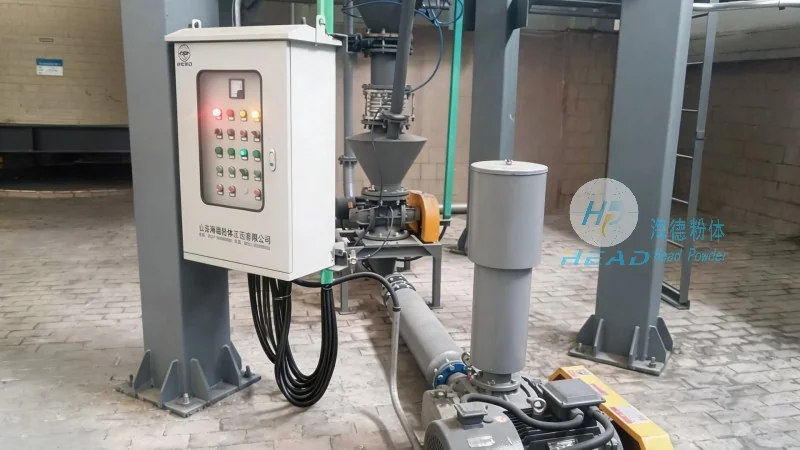
Equipment and Components in Dry Powder Handling
Effective dry powder handling relies on a combination of specialized equipment and components. Key elements include feeders, conveyors, silos, and storage vessels. Feeders, such as rotary valves or screw conveyors, are used to control the flow rate of the powder from the source. Conveyors, including pneumatic or mechanical systems, transport the material through the system. Silos and storage vessels are designed to hold large quantities of powder while maintaining consistent pressure and preventing material degradation. Each component must be selected and integrated to ensure smooth material flow and prevent blockages or leaks.
Importance of Material Properties in Design
The success of a dry powder handling system depends heavily on understanding the physical and chemical properties of the specific powder being handled. Factors such as particle size distribution, moisture content, and bulk density directly impact the system's design. For example, powders with high moisture content may require additional drying mechanisms to prevent caking, while powders with fine particles may need specialized filtration systems to control dust emissions. The design team at HeadPowder conducts thorough material analysis to ensure that the system is optimized for the specific characteristics of the powder.
Ensuring Safety and Compliance
Safety is a paramount consideration in dry powder handling systems. The design incorporates measures to prevent dust explosions, which can occur when fine powders are suspended in the air and ignited. This includes explosion-proof equipment, proper ventilation, and grounding systems to dissipate static electricity. Additionally, the system must comply with relevant industry standards and regulations, such as those from the Occupational Safety and Health Administration (OSHA) or the American Society of Mechanical Engineers (ASME), to ensure operational safety and legal compliance.
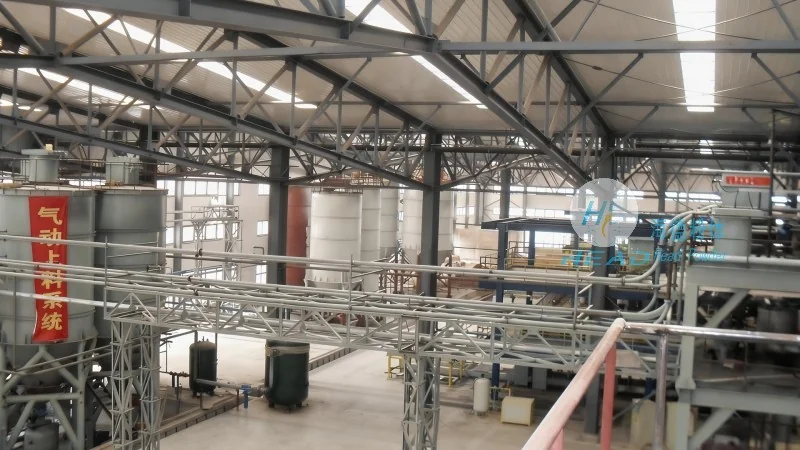
Customization and System Integration
HeadPowder recognizes that each industrial application has unique requirements, and therefore, offers customized dry powder handling solutions. The company works closely with clients to understand their specific needs, including production capacity, material characteristics, and operational constraints. By integrating the system with existing infrastructure, HeadPowder ensures seamless operation and minimal disruption to the client's workflow. The design process involves detailed engineering, including 3D modeling and simulation, to validate the system's performance before installation.
Conclusion
Dry powder material handling is a complex but essential process in many industrial sectors. The design principles and equipment used in these systems are critical to ensuring efficiency, safety, and compliance. HeadPowder Engineering Co., Ltd., with its expertise and commitment to quality, provides comprehensive solutions tailored to the unique needs of each client. By adhering to best practices and leveraging advanced engineering techniques, HeadPowder helps industries achieve reliable and sustainable dry powder handling operations.