

Fine Polished Sand Material Handling: What It Is and Its Design Principles
Fine polished sand material handling refers to the process of transporting and managing fine, smooth sand particles, typically used in various industrial applications such as foundry, glass manufacturing, and abrasive product production. This specialized material handling system is designed to handle the unique properties of fine polished sand, which includes its low bulk density, high surface area, and tendency to generate dust. The efficient handling of such materials is crucial for maintaining production efficiency and ensuring product quality in industries that rely on these sand particles.
Key Design Principles for Fine Polished Sand Handling Systems
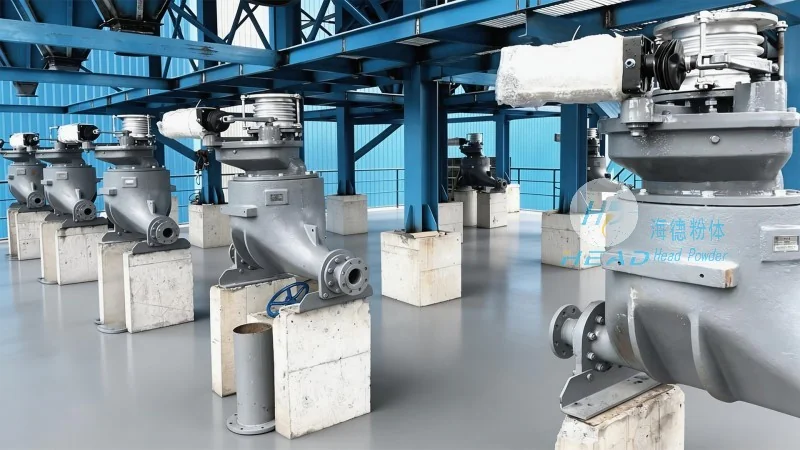
The design of fine polished sand material handling systems must consider several critical factors to ensure optimal performance and safety. First, the system must address the dust generation issue, as fine particles can easily become airborne and pose health risks. This is typically achieved through enclosed conveying systems, such as pneumatic conveying or screw conveyors with dust collection mechanisms. Second, the equipment must be constructed from materials that are resistant to abrasion, as the sand particles can wear down metal components over time. Stainless steel or special alloys are commonly used for the construction of hoppers, chutes, and conveyor components to extend the system's lifespan. Third, the system should incorporate proper flow control to prevent material bridging or clogging in the storage and transport sections. This is often done through the use of vibrators, air knives, or rotary valves that ensure a consistent and smooth flow of the sand. Additionally, the design must consider the need for easy maintenance and cleaning, as the fine particles can accumulate in hard-to-reach areas and require regular upkeep to maintain system efficiency.
Components and Equipment in Fine Polished Sand Handling Systems
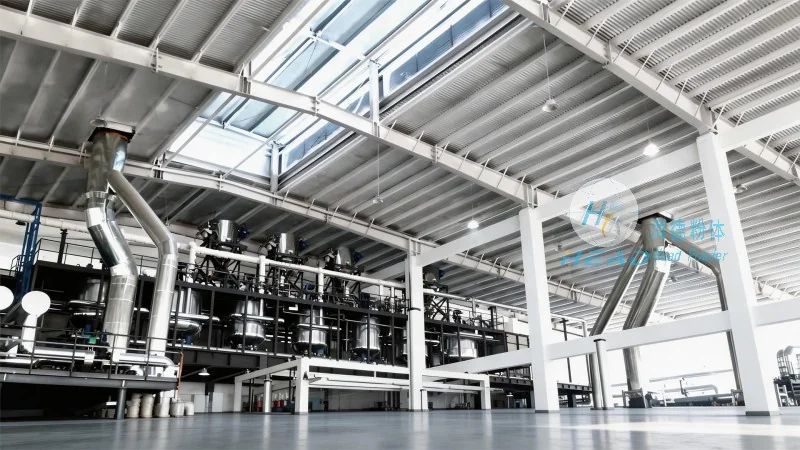
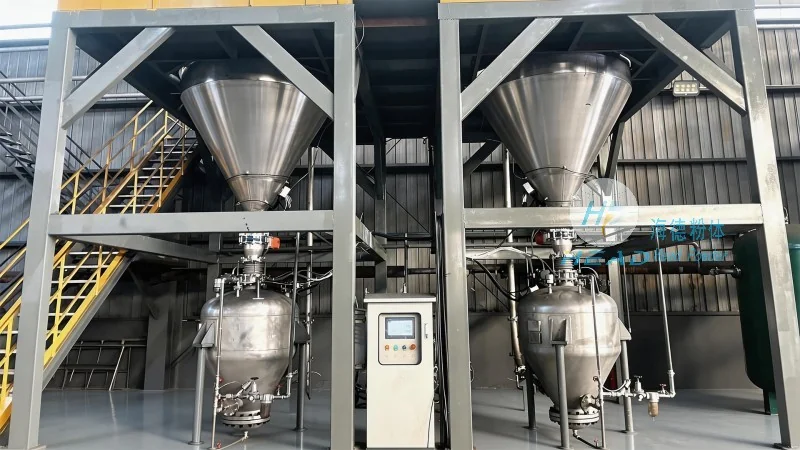
A typical fine polished sand material handling system consists of several key components that work together to transport the material from its source to the processing or storage location. The primary components include a hopper for material storage, a feeder to regulate the flow of sand into the conveying system, a conveyor (either pneumatic or mechanical) to move the sand through the system, and a discharge unit to release the material at the destination. The hopper is usually designed with a conical or rectangular shape to minimize material bridging and ensure uniform flow. The feeder, often a rotary valve or a vibratory feeder, controls the rate of sand discharge, which is critical for maintaining consistent conveying rates. The conveying system, whether pneumatic (using air pressure to move the sand in a pipeline) or mechanical (such as screw or belt conveyors), must be selected based on the specific characteristics of the sand and the distance it needs to be transported. Pneumatic systems are particularly effective for fine powders as they can handle high volumes and long distances with minimal material degradation, while mechanical systems are more suitable for shorter distances or when the sand contains larger particles. The discharge unit, such as a rotary valve or a dust collector, ensures that the sand is released in a controlled manner, preventing dust emissions and maintaining a clean working environment.
Applications and Industries Using Fine Polished Sand Handling
Fine polished sand is widely used in various industrial sectors, and the material handling systems designed for it play a vital role in supporting these applications. In the foundry industry, fine polished sand is used as a refractory material or as a component in the production of sand molds. The handling systems must be capable of delivering the sand to the molding machines with high precision and low dust generation to ensure the quality of the molds. In the glass manufacturing industry, fine polished sand is used as a raw material in the production of glass, particularly in the manufacturing of optical and specialty glass. The handling systems must maintain the purity of the sand, as any contamination can affect the quality of the final glass product. Additionally, in the abrasive product industry, fine polished sand is used to produce sandpaper and other abrasive tools. The handling systems must ensure that the sand is free from impurities and is conveyed in a consistent manner to maintain the uniformity of the abrasive products. Other applications include the use of fine polished sand in the production of ceramics, where it serves as a raw material for glazes and body formulations. In all these applications, the efficiency and reliability of the material handling system are critical to the overall success of the production process.
Advantages of Using Properly Designed Fine Polished Sand Handling Systems
Implementing a well-designed fine polished sand material handling system offers several advantages for industrial operations. First, it significantly reduces dust exposure, which is a major health hazard in environments where fine powders are handled. Proper dust collection and containment systems ensure that the working environment is safe for employees and comply with occupational health and safety regulations. Second, the system improves production efficiency by maintaining consistent material flow and reducing downtime caused by clogging or material bridging. This leads to higher throughput and lower operational costs. Third, the use of abrasion-resistant materials in the system components extends the lifespan of the equipment, reducing the need for frequent replacements and maintenance. This results in lower long-term costs and increased system reliability. Fourth, the system enhances product quality by preventing contamination and ensuring that the sand is delivered in a clean and uniform state. This is particularly important in industries where the quality of the final product is directly related to the purity of the raw material. Finally, a properly designed system can contribute to better environmental compliance by minimizing dust emissions and reducing the environmental impact of the material handling process.