

What is Limestone Material Handling? Understanding Its Design Principles
For industries relying on limestone as a key raw material, efficient material handling is critical to operational success. Limestone, a versatile sedimentary rock, is widely used in cement production, chemical manufacturing, and construction applications. The process of transporting limestone from storage to processing units requires specialized equipment and thoughtful design to ensure safety, efficiency, and cost-effectiveness. This article explores the fundamentals of limestone material handling and the key design principles that underpin effective systems.
Key Components of Limestone Material Handling
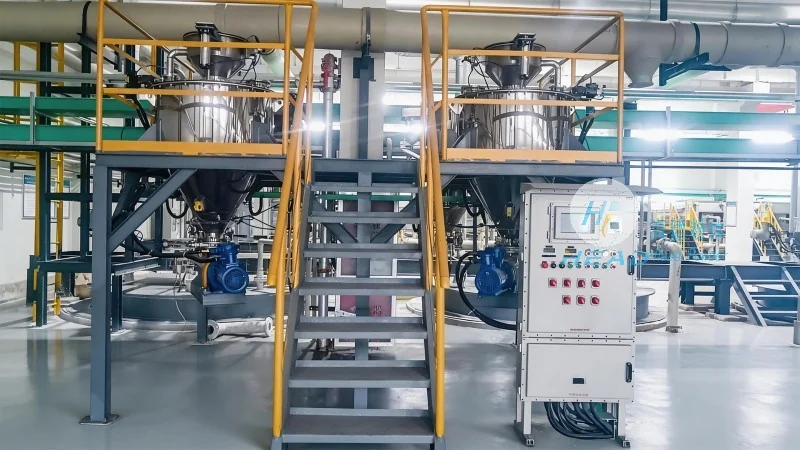
Limestone material handling systems typically involve a combination of equipment tailored to the specific characteristics of the material. Common components include bulk material conveyors, such as belt conveyors and screw conveyors, which are chosen based on factors like particle size, moisture content, and the required throughput. For vertical transport, bucket elevators or chain conveyors may be employed to move limestone between different levels of a facility. Storage silos or hoppers are also integral, as they help regulate the flow of material and prevent blockages. The selection of each component is critical to the overall performance of the system.
Design Principles for Optimal Limestone Handling
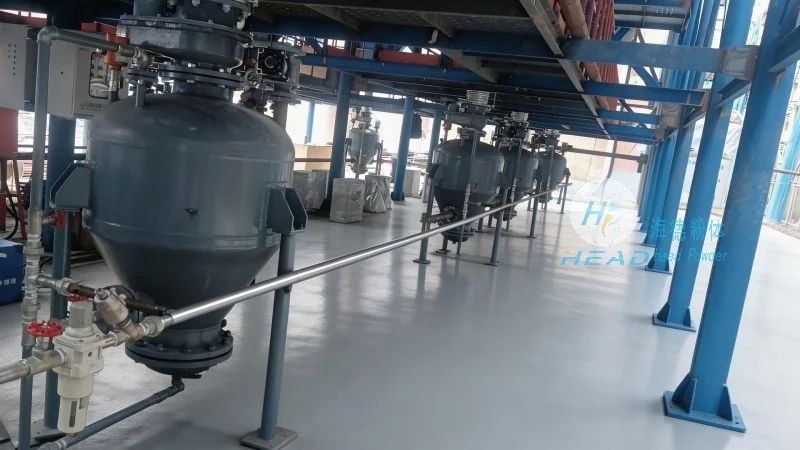
The design of limestone material handling systems follows several core principles to ensure reliability and efficiency. First, the system must account for the physical properties of limestone, including its density, abrasiveness, and tendency to stick or build up on surfaces. Abrasion-resistant materials, such as high-strength steel or specialized coatings, are often used for conveyor belts and troughs to extend equipment life. Second, the design prioritizes safety by incorporating features like emergency stop mechanisms, protective guards, and proper ventilation to mitigate dust and fumes. Third, energy efficiency is a key consideration, with variable speed drives and optimized conveyor angles reducing power consumption. Finally, scalability is important, as systems are often designed to accommodate future growth or changes in production volume.
Custom Solutions from Shandong HeadPowder Engineering Co., Ltd.
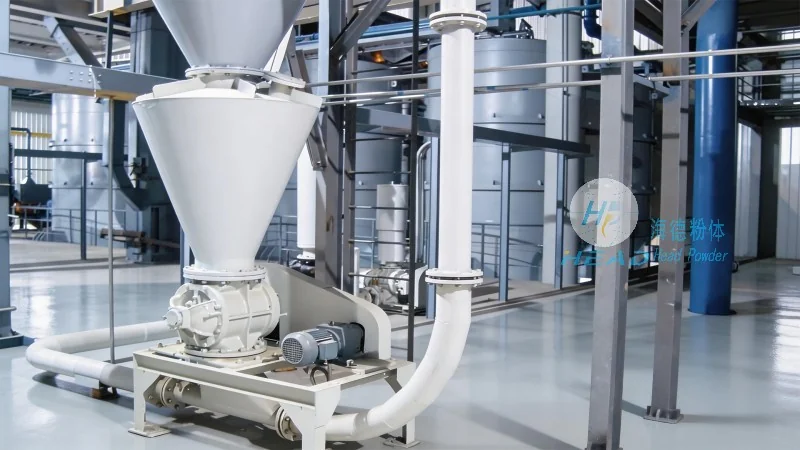
Shandong HeadPowder Engineering Co., Ltd., a leading provider of material handling solutions, specializes in designing and manufacturing customized limestone material handling systems. With decades of experience in the industry, the company understands the unique challenges of handling limestone and offers tailored solutions that meet the specific needs of each client. Their approach involves thorough site assessments, where engineers evaluate the material's characteristics, facility layout, and operational requirements to develop a comprehensive design. The company's team of experts works closely with clients to ensure that the final system not only meets performance standards but also adheres to safety regulations and environmental guidelines.
Addressing Common Challenges in Limestone Handling
Despite advancements in technology, limestone material handling still faces several challenges. One common issue is material buildup on conveyor belts, which can lead to reduced efficiency and increased maintenance costs. To address this, systems may include cleaning mechanisms or adjustable belt scrapers. Another challenge is dust control, as limestone dust can be hazardous to workers and the environment. Effective dust suppression systems, such as water sprays or enclosed conveyor designs, are integrated into the design to mitigate these risks. Additionally, the need for regular maintenance and equipment replacement is a consideration, with companies like HeadPowder offering maintenance services and spare parts to ensure continuous operation.
Conclusion: The Importance of Well-Designed Limestone Material Handling
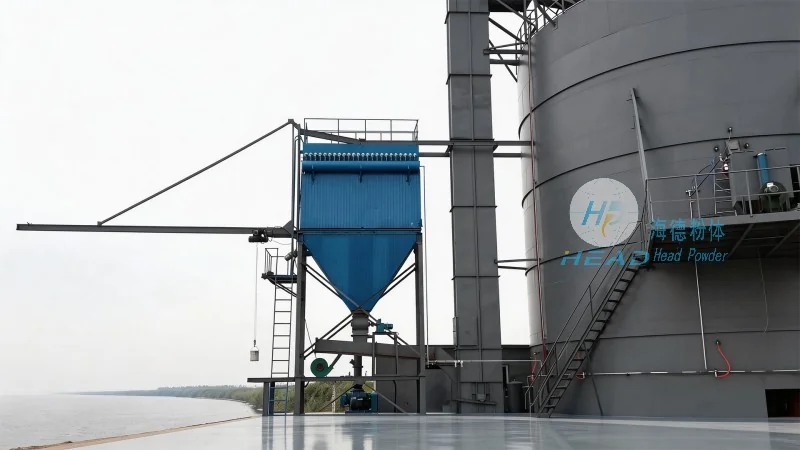
In conclusion, limestone material handling is a complex but essential process that requires careful planning and execution. The design principles outlined above, combined with the expertise of companies like Shandong HeadPowder Engineering Co., Ltd., ensure that limestone is transported safely and efficiently. By prioritizing material properties, safety, energy efficiency, and scalability, industries can optimize their operations and reduce costs. As demand for limestone continues to grow, the importance of robust material handling systems will only increase, making it a critical investment for any business relying on this vital raw material.