

What is Denitrator Material Handling? What Are the Design Principles?
Denitrator material handling systems are critical components in industrial processes that involve the transportation and management of denitrator agents. These systems are designed to ensure efficient and safe movement of the chemical substances used in denitrification, a process essential for reducing nitrogen oxide emissions from industrial facilities. Understanding the material handling aspects of denitrator systems is vital for optimizing operational efficiency and maintaining compliance with environmental regulations.
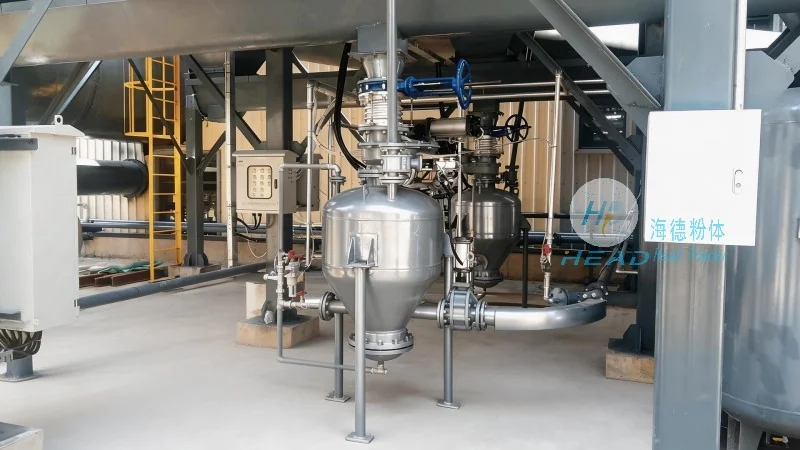
HeadPowder Engineering Co., Ltd., a leading provider in the field, specializes in the design, manufacturing, and implementation of advanced denitrator material handling solutions. With a focus on precision and reliability, the company's expertise lies in creating systems that meet the specific requirements of various industrial applications, from power plants to chemical manufacturing facilities. The company's headquarters is located in Shandong, China, where it leverages local resources and industry knowledge to deliver high-quality engineering services.
The core of denitrator material handling involves the integration of several key components, including conveyor systems, storage silos, and material transfer equipment. These elements work in tandem to ensure that denitrator agents are transported from storage to the point of use with minimal loss and maximum efficiency. The design principles behind these systems prioritize factors such as material flow, space optimization, and safety protocols. For instance, the selection of appropriate conveyor types—such as belt conveyors, screw conveyors, or pneumatic conveyors—depends on the physical properties of the denitrator agents, including their particle size, moisture content, and bulk density.
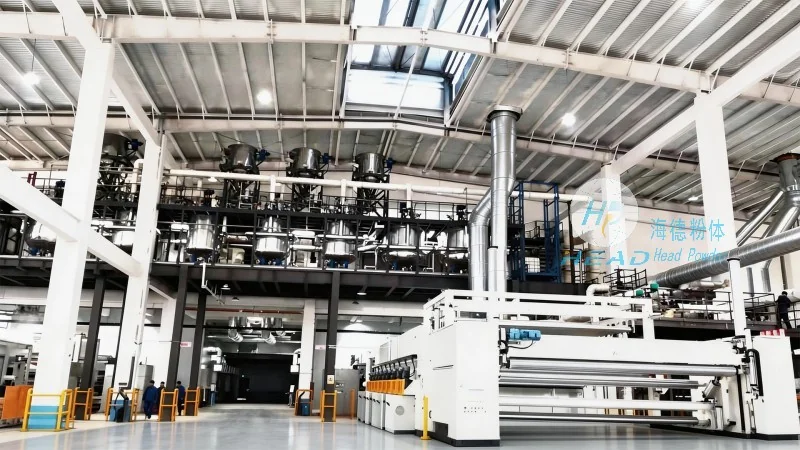
Conveyor systems are a fundamental part of denitrator material handling, as they provide a continuous and reliable method for transporting bulk materials over long distances. Belt conveyors, for example, are widely used due to their ability to handle a wide range of material types and their low maintenance requirements. Screw conveyors, on the other hand, are ideal for transporting materials with higher moisture content or those that are more cohesive. Pneumatic conveyors offer a flexible solution for transporting fine powders or granules, utilizing air pressure to move materials through a network of pipes. The choice of conveyor type is critical, as it directly impacts the system's performance and operational costs.
Storage silos play a crucial role in denitrator material handling by providing a secure and organized storage solution for the denitrator agents. These silos are typically constructed from durable materials like steel or concrete, designed to withstand the chemical properties of the agents and environmental factors. The design of the silos includes features such as aeration systems to prevent material bridging and compaction, which can impede material flow. Additionally, silos are equipped with level sensors and discharge mechanisms to ensure that material is released in a controlled manner, preventing overfilling or underfilling. The capacity of the silos is determined based on the production needs of the facility, ensuring that there is an adequate supply of denitrator agents to meet operational demands.
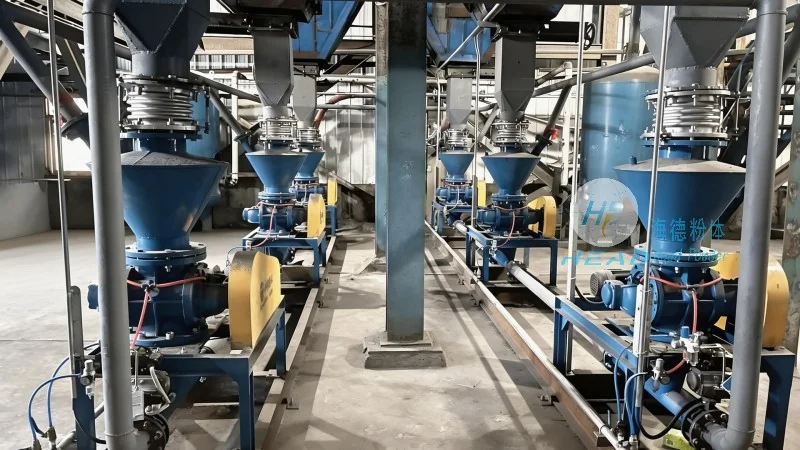
Material transfer equipment, such as feeders and pumps, is essential for transferring denitrator agents from the storage silos to the processing units. Feeders, which can be rotary, vibratory, or screw-type, regulate the flow of material from the silo to the conveyor system, ensuring a consistent and controlled feed rate. Pumps, particularly for liquid or slurry-based denitrator agents, are used to move materials through pipelines to the injection points in the industrial processes. The selection of the appropriate transfer equipment depends on the physical state of the material—whether it is a solid, liquid, or slurry—and the required flow rate and pressure.
The design of denitrator material handling systems also incorporates safety and environmental considerations. For example, dust control systems are integrated into the design to minimize the release of fine particles into the air, reducing the risk of respiratory hazards and environmental contamination. Enclosures and ventilation systems are used to contain dust and fumes, ensuring that the working environment remains safe for personnel. Additionally, the systems are designed to comply with local and international regulations regarding material handling and environmental protection. This includes features such as emergency shutdown mechanisms and monitoring systems to detect and address any issues that may arise during operation.
HeadPowder Engineering Co., Ltd. employs a systematic approach to the design and implementation of denitrator material handling systems. The company's engineers work closely with clients to understand their specific operational needs and constraints, then develop customized solutions that optimize material flow, reduce downtime, and enhance overall efficiency. The design process involves detailed calculations and simulations to ensure that the system meets the required performance standards. For instance, the company uses computational fluid dynamics (CFD) to model the flow of materials through the conveyor and silo systems, allowing for the optimization of system parameters before construction begins.
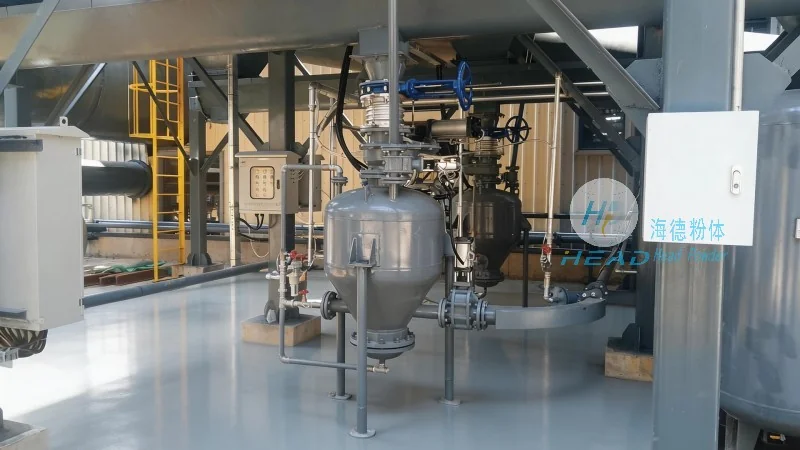
During the implementation phase, HeadPowder's team of technicians and engineers ensures that the material handling system is installed and commissioned correctly. This includes thorough testing of all components, such as conveyor belts, feeders, and silos, to verify that they operate as intended. The company also provides training to the client's personnel on the operation and maintenance of the system, ensuring that the facility can maximize the benefits of the new material handling solution. The goal is to deliver a system that not only meets the current operational needs but also provides a foundation for future expansion and upgrades.
In conclusion, denitrator material handling systems are complex and critical components of industrial processes, and their design principles are tailored to the specific requirements of the denitrator agents and the facility's operational needs. HeadPowder Engineering Co., Ltd. plays a key role in providing advanced solutions that enhance efficiency, safety, and compliance. By focusing on the integration of conveyor systems, storage silos, and material transfer equipment, along with robust safety and environmental features, the company helps industrial facilities achieve their denitrification goals while maintaining operational excellence.