

What is Glass Granule Material Handling? And What Are Its Design Principles?
Understanding the mechanisms and design principles behind glass granule material handling is crucial for industries that rely on efficient and safe transportation of these materials. This article explores the fundamental concepts, key components, and practical applications of systems designed to move glass granules, with a focus on the engineering solutions provided by Shandong HeadPowder Engineering Co., Ltd.
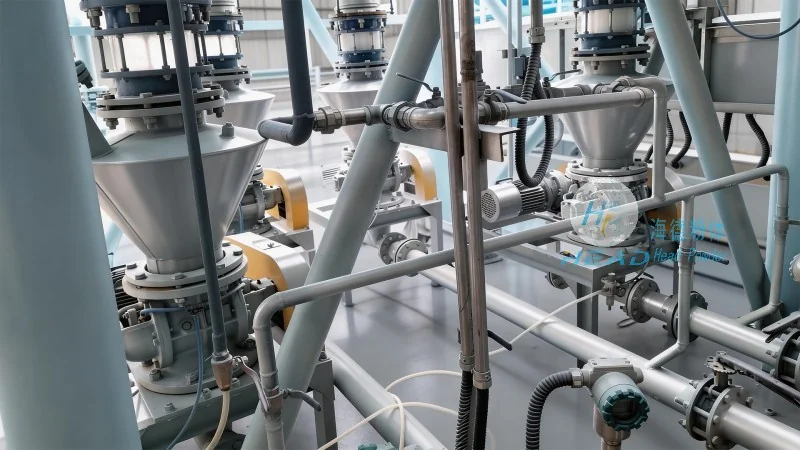
Introduction to Glass Granule Material Handling
Glass granules, often produced through processes like crushing, grinding, or granulation, are widely used in various industries, including glass manufacturing, construction, and chemical processing. Efficient material handling of these granules is essential to maintain production efficiency, ensure product quality, and enhance workplace safety. The process involves transporting these small, often abrasive particles from one location to another, which requires specialized equipment and design considerations.
About Shandong HeadPowder Engineering Co., Ltd.
Shandong HeadPowder Engineering Co., Ltd., commonly known as HeadPowder, is a leading provider of engineering solutions for material handling systems. With a strong presence in China, particularly in Shandong, the company specializes in designing, manufacturing, and implementing systems tailored to the unique needs of industries dealing with glass granules and other similar materials. HeadPowder's expertise lies in creating robust, reliable, and cost-effective solutions that meet the demands of modern production environments.
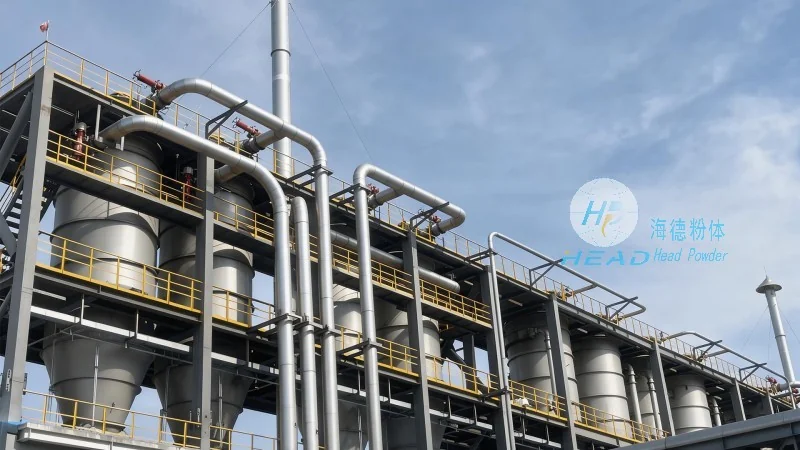
The Core Components of Glass Granule Material Handling Systems
Effective glass granule material handling systems typically consist of several key components that work in tandem to ensure smooth and efficient operation. These components include feeders, conveyors, storage silos, and control systems, each playing a critical role in the overall process. Feeders are responsible for regulating the flow of glass granules from the source to the conveyor system, ensuring a consistent and controlled feed rate. Conveyors, such as belt conveyors or screw conveyors, then transport the granules through the system, often over long distances or vertical elevations. Storage silos are used to hold large quantities of granules, providing a buffer between production and downstream processes. Control systems monitor and adjust the operation of these components, ensuring optimal performance and safety.
Design Principles for Glass Granule Material Handling
The design of glass granule material handling systems follows several fundamental principles aimed at maximizing efficiency, minimizing downtime, and ensuring safety. One of the primary principles is the minimization of material degradation and contamination. Glass granules are often sensitive to friction and impact, which can cause them to break or become contaminated. Therefore, the design of equipment, such as conveyors and feeders, incorporates features like smooth surfaces, gentle slopes, and impact-resistant materials to reduce wear and tear. Another key principle is the prevention of dust generation and air pollution. Glass granules are lightweight and can create significant dust when handled improperly, posing health risks and environmental concerns. Enclosed systems, dust collection mechanisms, and proper ventilation are essential to mitigate these issues. Additionally, the design must consider the specific properties of glass granules, including their size, shape, density, and abrasiveness, to select the most appropriate equipment and operating parameters.
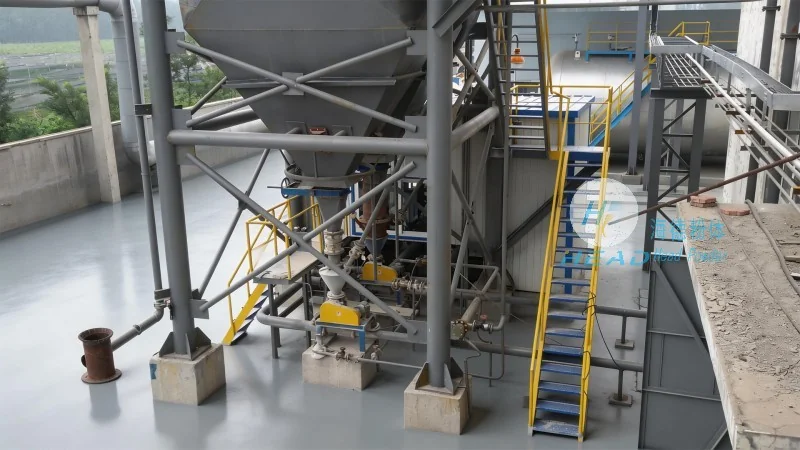
Application Examples and Industry Use Cases
Glass granule material handling systems are used in a variety of applications across different industries. In the glass manufacturing industry, these systems are used to transport raw materials, such as sand, soda ash, and limestone, to the furnaces. In construction, glass granules are used as a component in concrete and asphalt, and material handling systems are used to transport them to mixing plants. In the chemical industry, glass granules may be used as a filler or abrasive, and specialized systems are required to handle them safely. Each application requires a customized design, taking into account the specific requirements of the process, the properties of the glass granules, and the environmental and safety regulations of the industry.
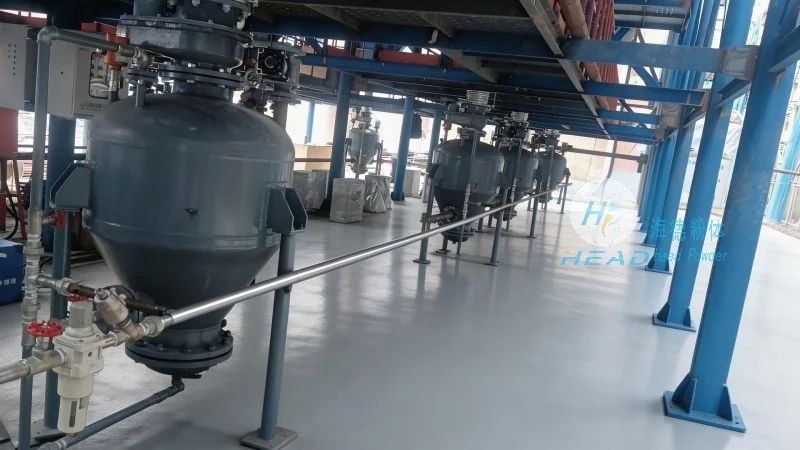
Technical Advantages and Innovations
Modern glass granule material handling systems offer several technical advantages that enhance their performance and reliability. One of the key advantages is the use of advanced materials and coatings, such as stainless steel and polyurethane, which are resistant to corrosion and abrasion from glass granules. This extends the lifespan of the equipment and reduces maintenance costs. Another advantage is the integration of automation and control systems, which allow for real-time monitoring and adjustment of the system's operation. This not only improves efficiency but also enhances safety by detecting and responding to potential issues before they become major problems. Additionally, the use of energy-efficient designs, such as variable speed drives and optimized conveyor systems, reduces energy consumption and operating costs. These innovations, combined with the expertise of companies like HeadPowder, have significantly improved the effectiveness and reliability of glass granule material handling systems.
Conclusion and Future Outlook
Glass granule material handling is a critical aspect of many industrial processes, and the design principles and systems used to handle these materials play a vital role in ensuring efficiency, safety, and product quality. Companies like Shandong HeadPowder Engineering Co., Ltd. play a crucial role in providing the engineering solutions needed to meet the demands of modern industries. As technology continues to advance, we can expect to see further innovations in material handling systems, including more efficient automation, better materials, and improved sustainability features. The future of glass granule material handling looks promising, with continued focus on enhancing performance, reducing costs, and ensuring a safe working environment.