

What is PVC Material Handling? Understanding Its Design Principles
PVC material handling refers to the process of transporting, storing, and managing polyvinyl chloride (PVC) materials in industrial settings. This encompasses a wide range of applications, from raw PVC pellets to finished PVC products, and involves various equipment and systems designed to ensure efficient and safe material flow. Understanding the fundamentals of PVC material handling is crucial for optimizing production processes and maintaining operational efficiency in industries such as construction, manufacturing, and chemical processing.
Key Design Principles for PVC Material Handling Systems
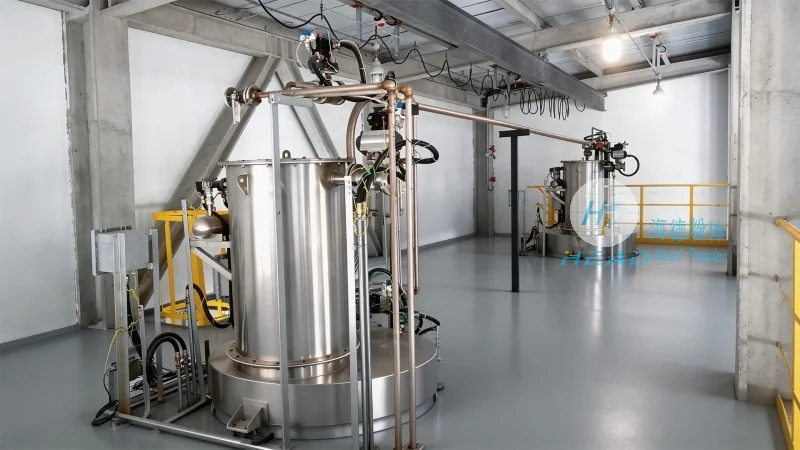
The design of PVC material handling systems is guided by several critical principles that ensure reliability, safety, and efficiency. These principles include material compatibility, which is essential because PVC can be sensitive to certain conditions like temperature and moisture. Proper equipment selection is another key factor; for instance, PVC may require specialized conveyor systems or storage solutions that prevent degradation or contamination. Additionally, system integration is vital to ensure seamless coordination between different handling stages, such as loading, transporting, and unloading. By adhering to these design principles, companies can minimize downtime, reduce material loss, and enhance overall productivity.
HeadPowder's Expertise in PVC Material Handling Solutions
Shandong HeadPowder Engineering Co., Ltd., commonly known as HeadPowder, is a leading provider of specialized engineering solutions for PVC material handling. With operations based in Shandong, China, HeadPowder leverages decades of industry experience to deliver tailored systems that meet the unique needs of clients across various sectors. The company focuses on designing and manufacturing equipment that addresses the specific challenges of PVC handling, such as its tendency to stick or degrade under certain conditions. HeadPowder’s solutions often incorporate advanced materials and engineering techniques to ensure durability and performance, making them suitable for both small-scale and large-scale operations.
Components and Technologies in PVC Material Handling Systems
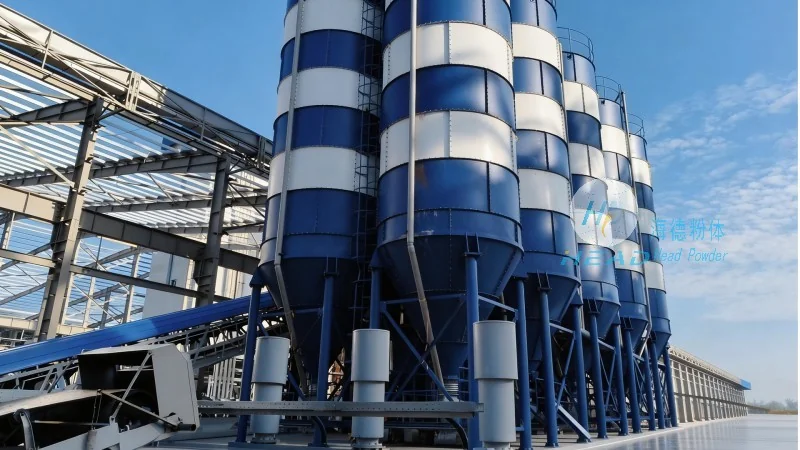
PVC material handling systems typically consist of several key components, each playing a vital role in the overall process. Conveyors, for example, are commonly used to transport PVC materials horizontally or vertically, and may include belt conveyors, screw conveyors, or pneumatic systems depending on the application. Storage solutions, such as silos or hoppers, are essential for managing bulk PVC materials and ensuring consistent supply to production lines. Additionally, feeding and metering equipment is critical for controlling the flow of PVC into processing machinery, preventing overloading or underloading. Advanced technologies, like sensors and automation, are increasingly integrated into these systems to enhance monitoring and control, further improving operational efficiency.
Applications of PVC Material Handling in Industrial Settings
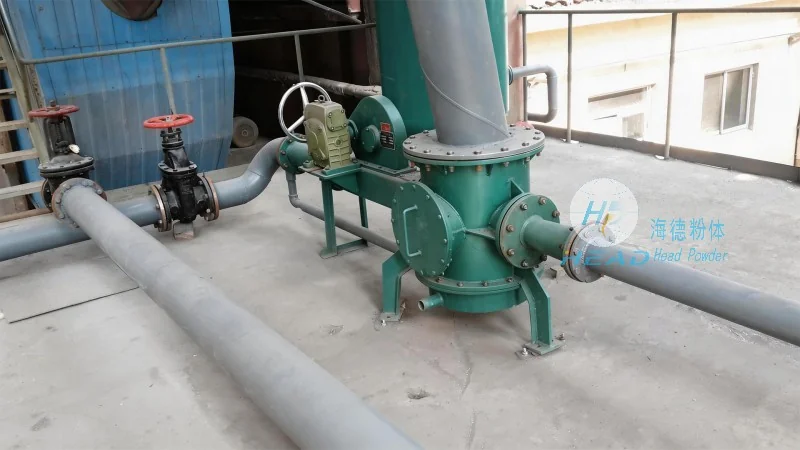
PVC material handling is integral to numerous industrial applications, from the production of PVC pipes and fittings to the manufacturing of PVC flooring and plastic products. In construction, PVC materials are often used for plumbing and roofing, requiring efficient handling to ensure timely delivery to job sites. In manufacturing, PVC pellets are transported to extrusion or molding machines, where they are transformed into finished products. The versatility of PVC makes it a popular choice in many industries, and effective material handling is essential to support the production of these products. By optimizing material flow, companies can reduce costs, improve product quality, and enhance customer satisfaction.
Challenges and Solutions in PVC Material Handling
Handling PVC materials presents several challenges that must be addressed through thoughtful design and equipment selection. One major challenge is the material's tendency to stick to surfaces, which can cause blockages in conveyor systems or storage containers. To mitigate this, HeadPowder may recommend the use of anti-stick coatings or specialized conveyor belts designed to minimize adhesion. Another challenge is the potential for PVC degradation due to exposure to heat or UV light, which can affect product quality. Proper storage and handling techniques, such as using covered containers and maintaining controlled temperatures, are essential to prevent degradation. Additionally, ensuring safety in material handling operations is critical, as PVC materials can pose risks if not handled correctly. HeadPowder’s solutions often include safety features like enclosed systems or emergency stop mechanisms to protect workers and equipment.