

What is a Plug-Type Material Handling System? And What Are Its Design Principles?
For industrial applications requiring precise and controlled material transfer, the plug-type material handling system stands out as a specialized solution. This system is designed to manage the movement of bulk materials with high accuracy, ensuring minimal spillage and efficient operation. Understanding its functionality and design principles is crucial for industries such as pharmaceuticals, food processing, and chemical manufacturing, where product integrity and safety are paramount.
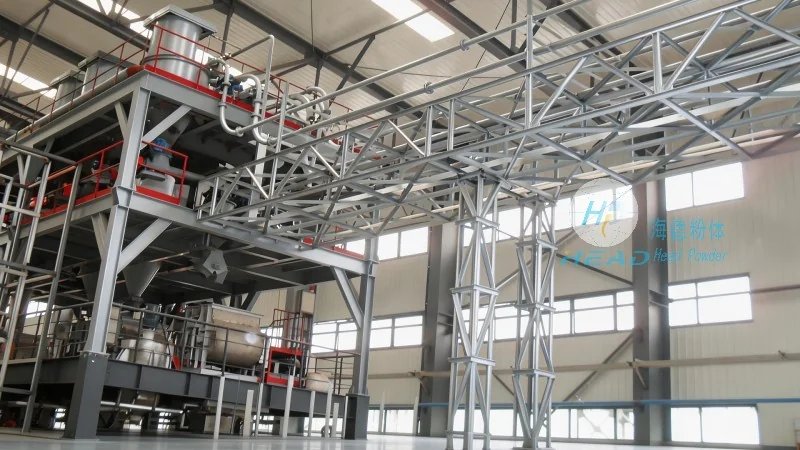
Introduction to Plug-Type Material Handling Systems
A plug-type material handling system, also known as a plug flow system, is a method used to transport bulk materials in a controlled manner. Unlike traditional conveyor systems that rely on continuous flow, this system uses a series of valves or gates to create a "plug" or segmented flow of material. Each plug of material moves through the system in a sequential manner, allowing for precise control over the quantity and timing of material transfer. This approach is particularly advantageous in applications where the material is sensitive or where contamination must be strictly avoided.
Key Components of the Plug-Type System
The effectiveness of a plug-type material handling system is determined by its key components, each playing a critical role in the overall operation. The primary components include:
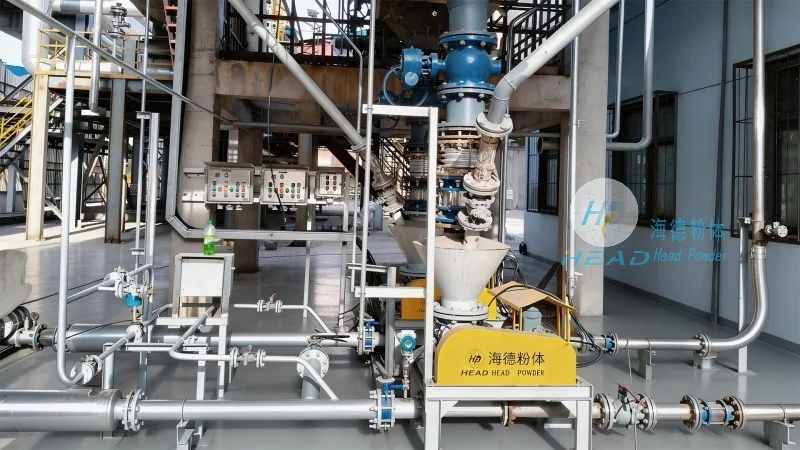
- Valves or Gates: These are the core elements that create and control the plug flow. They are typically designed to open and close at specific intervals, allowing material to accumulate in a controlled manner before being released in a single, uniform plug.
- Piping or Conveying Tubing: The material is transported through a closed system of pipes or tubing. This enclosed environment minimizes exposure to external contaminants and ensures a consistent flow path.
- Control System: An automated control system manages the operation of the valves and gates. This system can be programmed to regulate the timing and duration of each plug, optimizing the transfer process based on production requirements.
- Material Feed and Discharge Equipment: These components handle the initial loading of material into the system and the final discharge of the material after it has been transported. They are designed to maintain the integrity of the material and prevent any leakage or spillage.
Design Principles of Plug-Type Material Handling Systems
The design of a plug-type material handling system is guided by several fundamental principles aimed at achieving efficiency, safety, and precision. The primary design principles include:
- Segmented Flow Control: The system is designed to divide the material into discrete segments or plugs. Each plug moves through the system independently, allowing for precise control over the quantity of material being transferred at any given time.
- Pressure and Flow Regulation: The system maintains a consistent pressure within the conveying line to ensure smooth and uniform flow of the material. This regulation prevents clogging and ensures that the plugs move at a controlled speed.
- Material Compatibility: The design considers the properties of the material being handled, such as its density, flowability, and potential for degradation. Components are selected to be compatible with the material to avoid contamination or damage.
- Safety and Containment: The enclosed design of the system minimizes the risk of material exposure and cross-contamination. This is particularly important in industries where product safety is a top priority, such as pharmaceuticals and food processing.
Applications and Benefits of Plug-Type Material Handling Systems
The plug-type material handling system is widely used in various industrial applications due to its unique advantages. Some common applications include:
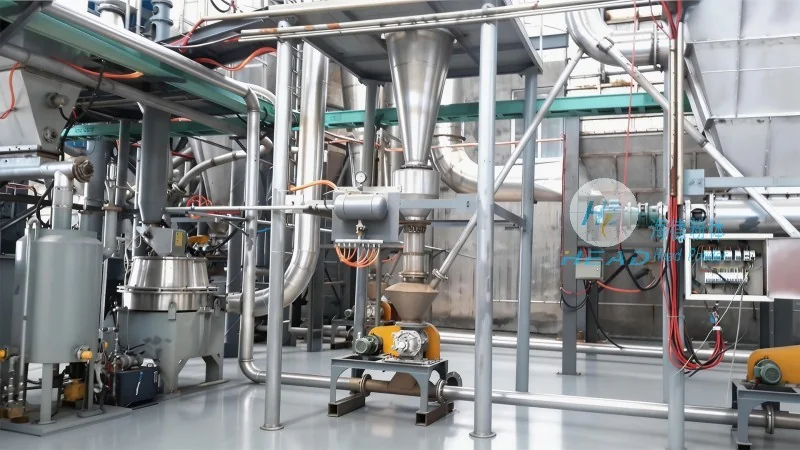
- Pharmaceutical Manufacturing: In this industry, the system is used to transport active pharmaceutical ingredients (APIs) and other sensitive materials with high precision. The controlled flow minimizes the risk of contamination and ensures that the final product meets stringent quality standards.
- Food Processing: For handling food-grade powders and granules, the plug-type system provides a hygienic and contamination-free environment. It is ideal for applications such as the transport of flour, sugar, and other food ingredients.
- Chemical Manufacturing: The system is suitable for transporting chemicals, especially those that are hazardous or reactive. The enclosed design prevents leaks and ensures the safety of operators and the environment.
- Industrial Bulk Handling: In general industrial settings, the plug-type system is used for the efficient transfer of bulk materials in a controlled manner, reducing operational costs and improving productivity.
Advantages of Plug-Type Material Handling Systems
Compared to traditional conveyor systems, the plug-type material handling system offers several key advantages that make it a preferred choice in many industries:
- High Precision and Control: The segmented flow allows for precise control over the quantity and timing of material transfer, reducing waste and improving process efficiency.
- Reduced Spillage and Contamination: The enclosed system minimizes the risk of material spillage and cross-contamination, ensuring product integrity and safety.
- Efficient Use of Space: The system can be designed to fit into compact spaces, making it suitable for facilities with limited floor area.
- Low Maintenance: The components are designed for durability and minimal maintenance, reducing operational costs over the long term.
- Scalability: The system can be easily scaled to accommodate changes in production volume, making it adaptable to evolving business needs.
Conclusion
In conclusion, the plug-type material handling system is a sophisticated and effective solution for industries requiring precise and controlled material transfer. Its design principles, which focus on segmented flow control, pressure regulation, and material compatibility, ensure high efficiency and safety. The system's applications span various industries, including pharmaceuticals, food processing, and chemical manufacturing, where product integrity and safety are critical. As a result, the plug-type material handling system continues to be a valuable asset for modern industrial operations, contributing to improved productivity and reduced operational costs.