

What is a Bulk Material Handling System? And What Are Its Design Principles?
HeadPowder, a leading engineering company based in Shandong, China, specializes in the design and implementation of bulk material handling systems. These systems are crucial for efficiently transporting and storing bulk materials in various industrial applications. Understanding the components and design principles of such systems is essential for optimizing material flow and operational efficiency.
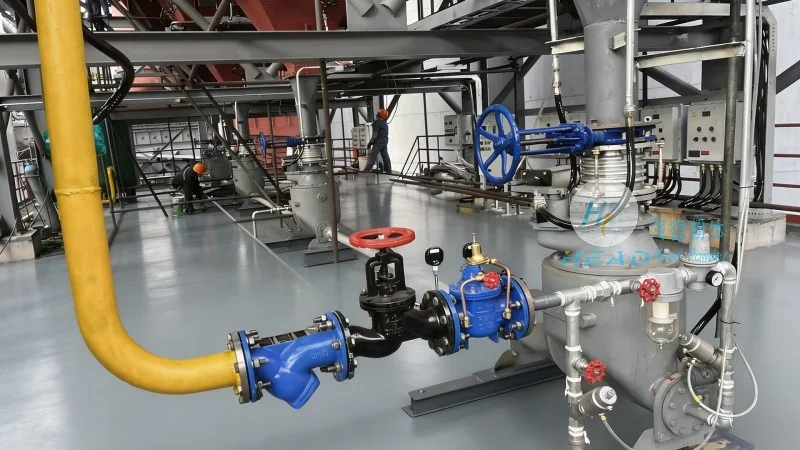
Understanding Bulk Material Handling Systems
A bulk material handling system is a comprehensive setup designed to manage the movement, storage, and processing of bulk materials, which are typically in a loose or granular form. These materials can include powders, granules, pellets, or other bulk commodities. The primary goal of these systems is to ensure safe, efficient, and cost-effective material handling from the point of origin to the point of use or storage.
Key components of a typical bulk material handling system include storage silos or hoppers, conveyor systems (such as belt conveyors, screw conveyors, or pneumatic conveyors), feeding mechanisms, and control systems. Each component plays a vital role in the overall functionality of the system, working together to achieve seamless material flow.
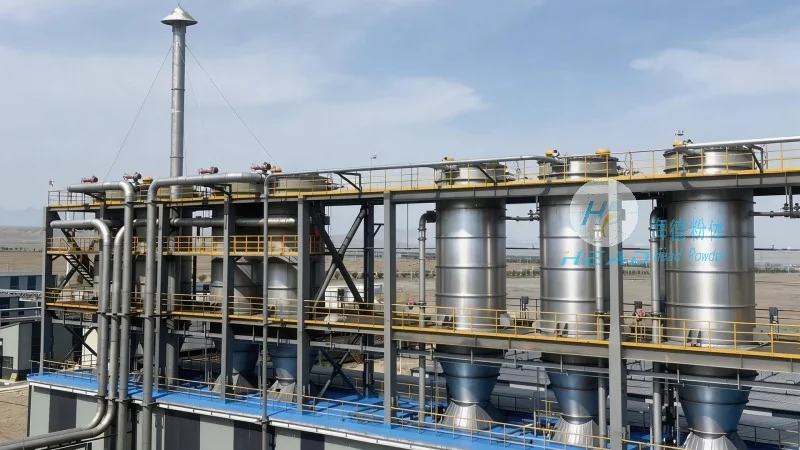
Design Principles of Bulk Material Handling Systems
The design of a bulk material handling system is governed by several critical principles to ensure optimal performance and reliability. These principles include:
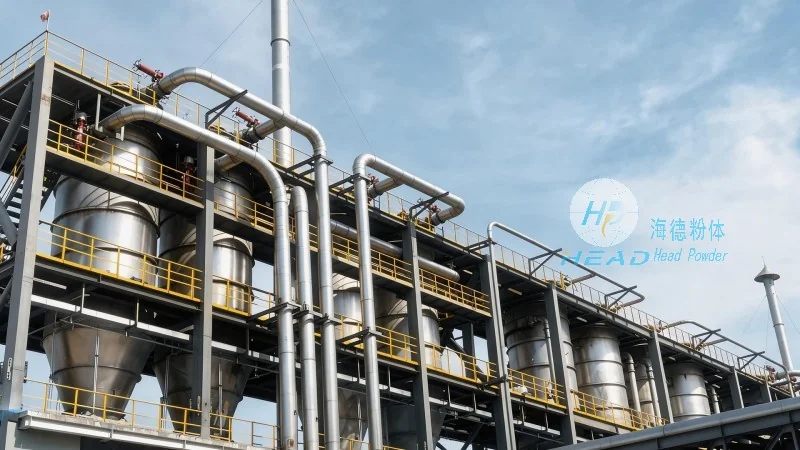
- Material Characteristics: The physical and chemical properties of the bulk material, such as particle size, density, flowability, and abrasiveness, are carefully considered. These characteristics influence the choice of equipment and system layout to prevent issues like blockages, segregation, or equipment wear.
- Flowability and Arching: Proper design addresses the risk of material arching or bridging in hoppers and silos. Techniques like hopper design, aeration, or vibration are employed to maintain free-flowing material and prevent system downtime.
- Capacity and Throughput: The system is designed to meet the required production capacity and material throughput. This involves calculating the flow rates, conveyor speeds, and storage capacity to match the operational demands of the facility.
- Safety and Maintenance: Safety is a paramount consideration in the design. This includes proper ventilation, dust control measures, and emergency stop mechanisms. Additionally, the system is designed for ease of maintenance, with accessible components and regular maintenance schedules to minimize downtime.
HeadPowder's Expertise in Bulk Material Handling
Shandong HeadPowder Engineering Co., Ltd., with its headquarters in Shandong, China, brings extensive expertise in the design and implementation of bulk material handling systems. The company leverages advanced engineering principles and industry best practices to develop customized solutions tailored to the specific needs of clients across various industries, including chemicals, food processing, and mining.
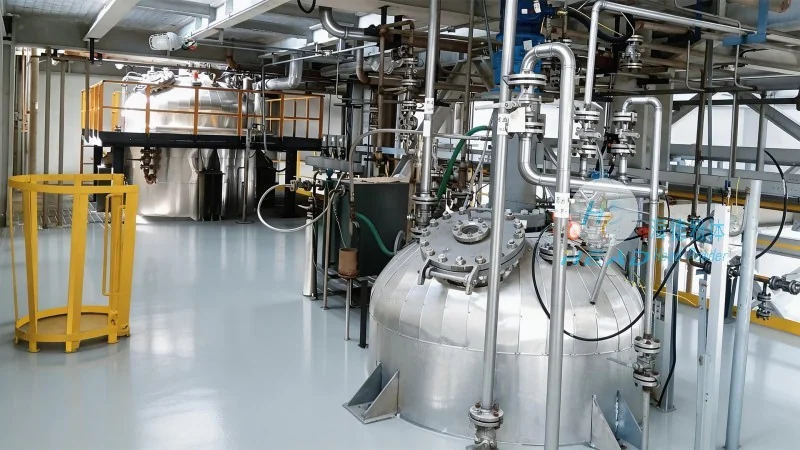
HeadPowder's team of experienced engineers works closely with clients to assess their material handling requirements, conduct feasibility studies, and develop detailed system designs. The company's approach emphasizes not only the technical aspects but also the practicality and long-term operational efficiency of the systems.
Conclusion
Bulk material handling systems are essential for modern industrial operations, enabling efficient material flow and storage. The design principles, which consider material characteristics, flowability, capacity, and safety, are crucial for the successful implementation of these systems. With its expertise and commitment to quality, Shandong HeadPowder Engineering Co., Ltd. provides reliable solutions that meet the diverse needs of industrial clients, ensuring optimal performance and operational success.