

What is a Small Bag Quantitative Weighing Material Conveying System? What are its Design Principles?
For industrial operations that require precise and efficient handling of bulk materials, the small bag quantitative weighing material conveying system has emerged as a critical solution. This system is designed to automate the process of weighing, packaging, and transporting materials in small bags, ensuring accuracy and consistency in each batch. Understanding its functionality and design principles is essential for industries such as food processing, chemical manufacturing, and pharmaceuticals, where material integrity and regulatory compliance are paramount.

Overview of the Small Bag Quantitative Weighing Material Conveying System
The small bag quantitative weighing material conveying system is a specialized piece of equipment that integrates multiple functions into a single unit. Its primary purpose is to handle bulk materials, measure them to a precise weight, and then package them into individual bags for further processing or distribution. The system typically operates in a continuous or batch mode, depending on the production requirements. It combines elements of material handling, weighing technology, and automation to deliver a seamless workflow. The key components of this system include a hopper for material storage, a conveyor system for transporting the material, a weighing scale for accurate measurement, and a bagging unit for packaging the weighed material. Each component works in tandem to ensure that the material is handled efficiently and with minimal human intervention.
Design Principles of the Small Bag Quantitative Weighing Material Conveying System
The design of the small bag quantitative weighing material conveying system is guided by several fundamental principles aimed at maximizing accuracy, reliability, and efficiency. The first principle is precision in weighing, which is achieved through the use of high-precision load cells and digital weighing systems. These components are calibrated to ensure that the weight measurement is accurate to within a very tight tolerance, typically ±0.1% or better. The second principle is the integration of the weighing and conveying processes. By combining these functions, the system minimizes the time required to transfer material from the hopper to the bagging unit, reducing the risk of material loss or contamination. The third principle is automation and control, which is achieved through the use of programmable logic controllers (PLCs) and user-friendly interfaces. This allows operators to set the desired weight per bag, adjust the conveyor speed, and monitor the system's performance in real-time. The fourth principle is durability and adaptability, as the system is designed to withstand harsh industrial environments and can be configured to handle a wide range of materials, including powders, granules, and liquids.
Key Components and Their Functions
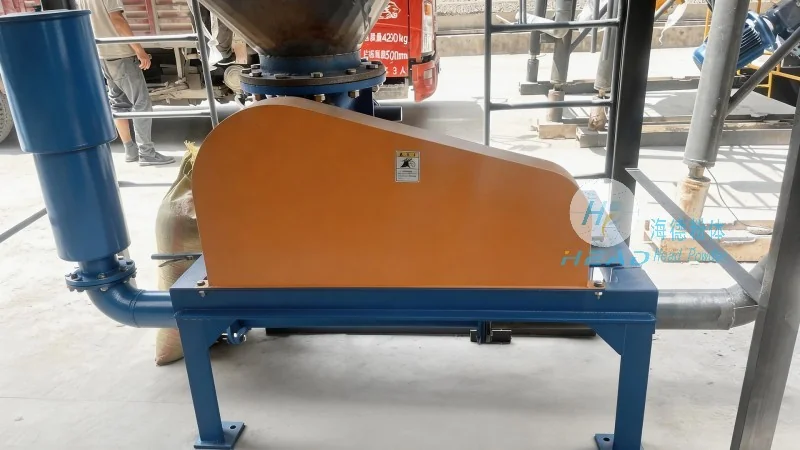
The small bag quantitative weighing material conveying system consists of several key components, each playing a crucial role in the overall operation. The hopper is the primary storage unit, where bulk materials are loaded. It is typically made of stainless steel to prevent material contamination and corrosion. The hopper is equipped with a discharge valve that controls the flow of material into the conveyor system. The conveyor system, which may include a screw conveyor or a belt conveyor, transports the material from the hopper to the weighing scale. The screw conveyor is commonly used for powders and granules, as it provides a gentle and consistent flow, preventing material degradation. The belt conveyor is used for larger or bulkier materials. The weighing scale is the core of the system, responsible for measuring the weight of the material as it moves through the conveyor. It uses load cells that convert the force of the material into an electrical signal, which is then processed by the control system. The bagging unit is the final component, where the weighed material is packaged into small bags. It includes a bag dispenser, a filling mechanism, and a sealing unit. The bag dispenser provides the bags, while the filling mechanism injects the weighed material into the bag. The sealing unit then seals the bag, completing the packaging process.
Operational Workflow and Process Flow
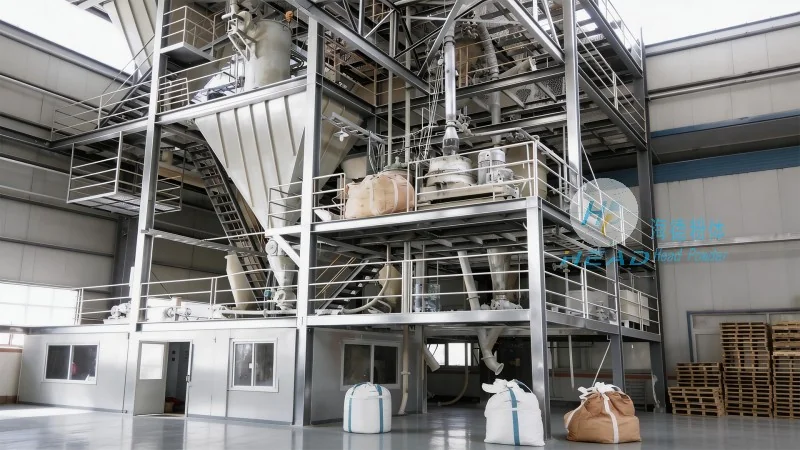
The operational workflow of the small bag quantitative weighing material conveying system is a sequential process that ensures each step is executed correctly. The process begins with the loading of bulk materials into the hopper. The material is then discharged from the hopper into the conveyor system at a controlled rate. As the material moves along the conveyor, it passes over the weighing scale, where the weight is measured. The control system compares the measured weight with the target weight set by the operator. If the weight is below the target, the conveyor continues to feed material until the target weight is reached. Once the target weight is achieved, the control system signals the bagging unit to start filling the bag. The bag is then sealed and removed from the system, and the process repeats for the next bag. This continuous cycle ensures that the system operates efficiently and consistently, with minimal downtime or errors.
Advantages and Benefits of the System
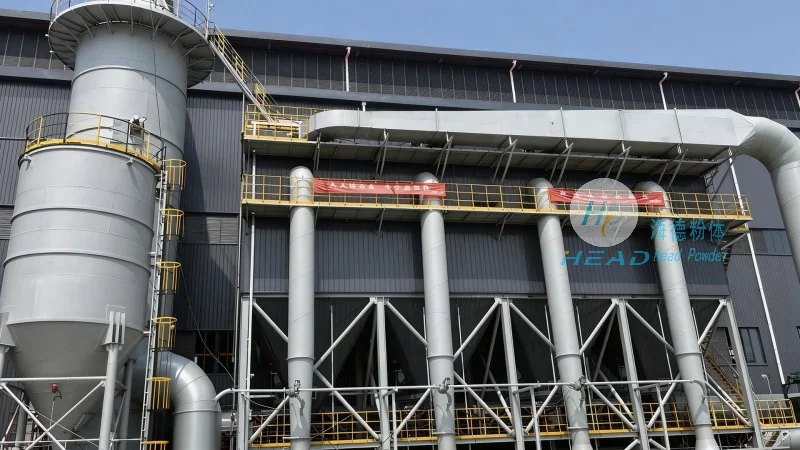
The small bag quantitative weighing material conveying system offers several advantages that make it an attractive solution for industrial applications. One of the primary benefits is the high level of accuracy achieved in weighing. This ensures that each bag contains the exact amount of material required, reducing waste and improving product consistency. Another advantage is the automation of the process, which reduces the need for manual labor and minimizes the risk of human error. The system also improves operational efficiency by streamlining the material handling and packaging process. It reduces the time required to produce each batch of bags and increases the overall throughput of the production line. Additionally, the system is designed for durability and reliability, with components that are built to withstand the rigors of industrial use. This reduces maintenance costs and ensures long-term operation. The system is also flexible and can be configured to handle a wide range of materials, making it suitable for various industries and applications.
About Shandong HeadPowder Engineering Co., Ltd.
Shandong HeadPowder Engineering Co., Ltd., commonly known as HeadPowder, is a leading manufacturer of material handling and processing equipment. The company specializes in designing and manufacturing systems for the precise handling, weighing, and packaging of bulk materials. With years of experience in the industry, HeadPowder has developed a reputation for producing high-quality, reliable equipment that meets the stringent requirements of various industries. The company's products are designed to enhance operational efficiency, improve product quality, and reduce costs for its customers. HeadPowder's commitment to innovation and customer satisfaction has made it a trusted partner for businesses in need of advanced material handling solutions. The company's headquarters is located in Shandong, China, where it has a state-of-the-art manufacturing facility and a team of skilled engineers and technicians. HeadPowder continues to invest in research and development to stay at the forefront of technology and provide its customers with the best possible solutions.