

What is a Pepper Material Handling System? And What Are Its Design Principles?
Pepper material handling systems are specialized equipment designed to efficiently transport and process pepper and related products. These systems are crucial in the food processing industry, particularly for businesses dealing with spices and seasonings. The primary goal of such systems is to ensure the safe, efficient, and hygienic movement of pepper from raw material storage to packaging or further processing stages. Understanding the components and design principles of these systems is essential for optimizing operational efficiency and maintaining product quality. As a leading provider in this field, Shandong HeadPowder Engineering Co., Ltd. specializes in designing and manufacturing tailored material handling solutions for pepper processing plants, ensuring compliance with industry standards and enhancing overall productivity.
Key Components of a Pepper Material Handling System
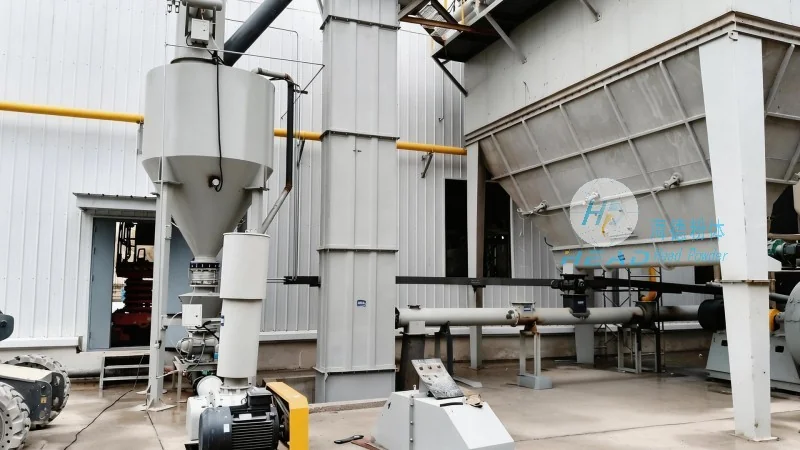
At the core of a pepper material handling system are several key components that work in tandem to achieve seamless material flow. The system typically includes storage silos or hoppers for raw pepper, conveyors (such as belt conveyors or screw conveyors) for transporting the material, and processing units like grinding or sorting equipment. Additionally, control systems and sensors are integrated to monitor and regulate the flow, ensuring consistent performance. Each component is carefully selected based on the specific characteristics of the pepper, such as its size, moisture content, and potential for dust generation. For instance, the choice of conveyor type may vary depending on whether the pepper is in whole or ground form, as whole peppers may require gentler handling to avoid damage.
Design Principles for Efficient Pepper Handling
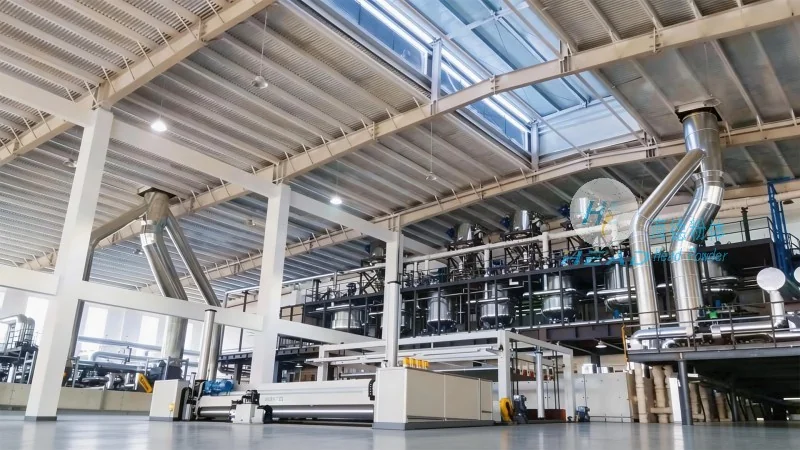
The design of a pepper material handling system follows several fundamental principles aimed at maximizing efficiency and minimizing downtime. One key principle is the use of gravity and mechanical forces to move the material, reducing the need for excessive energy consumption. The system is often designed with a linear flow path to minimize the distance the material travels, thereby reducing friction and wear on components. Another critical principle is the incorporation of dust control measures, as pepper processing can generate significant airborne particles. This includes features like sealed hoppers, dust collection systems, and proper ventilation to maintain a safe working environment. Furthermore, the design considers the hygienic requirements of food processing, with components made from food-grade materials and easy-to-clean surfaces. This ensures compliance with regulatory standards and maintains product safety throughout the handling process.
Role of Material Properties in System Design
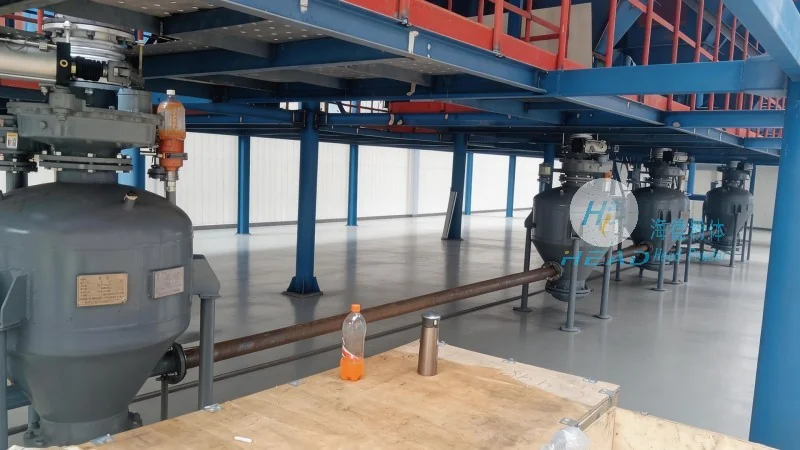
The physical and chemical properties of pepper significantly influence the design of the material handling system. For example, the moisture content of the pepper affects its flowability; higher moisture content may lead to clumping, requiring additional equipment like vibrators or agitators to maintain consistent flow. The size and shape of the pepper particles also impact the choice of conveyor and processing equipment. Larger, irregularly shaped peppers may need to be handled by belt conveyors with reinforced surfaces, while smaller, ground pepper may be transported via pneumatic systems or enclosed screw conveyors. Additionally, the potential for pepper to generate static electricity is a consideration, as this can affect the performance of electronic components and cause material buildup. Anti-static measures, such as grounding and conductive materials, are often incorporated into the system design to mitigate these issues.
Integration with Processing Lines
A pepper material handling system is often integrated with the broader processing line to ensure a smooth workflow. This integration involves coordinating the timing of material delivery with other processing steps, such as grinding, sorting, or packaging. The system may include sensors that detect the level of material in the storage silos and trigger the start of the conveyor when the level falls below a certain threshold. This ensures that the processing line never experiences a shortage of raw material, preventing bottlenecks and maintaining production continuity. Furthermore, the system may be connected to a central control panel that allows operators to monitor the entire process from a single interface. This enables real-time adjustments to the flow rate or processing parameters, enhancing overall operational flexibility.
Maintenance and Operational Considerations
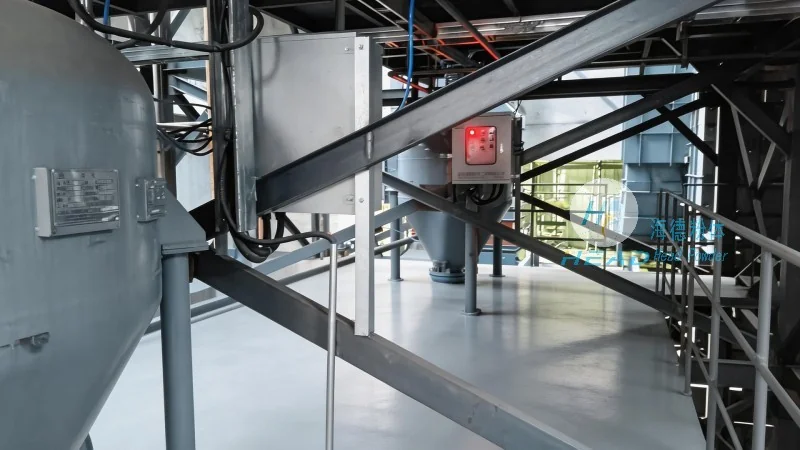
Proper maintenance is essential to ensure the long-term performance and reliability of a pepper material handling system. Regular cleaning and inspection of components, such as hoppers and conveyors, are necessary to prevent the accumulation of pepper residue, which can lead to clogging or contamination. The system should be designed with easy access points for maintenance personnel, allowing for quick repairs and replacements of worn parts. Additionally, the use of durable materials, such as stainless steel, is recommended to withstand the abrasive nature of pepper and resist corrosion from moisture or cleaning agents. Routine maintenance schedules, including lubrication of moving parts and calibration of sensors, should be established to minimize unexpected downtime and extend the system's lifespan. By adhering to these maintenance practices, businesses can ensure that their pepper material handling system operates efficiently and safely over its service life.