

What is a Talc Powder Material Handling System? What Are Its Design Principles?
Talc powder, a soft mineral widely used in various industries such as cosmetics, pharmaceuticals, and manufacturing, requires efficient material handling systems to ensure safe and effective processing. A talc powder material handling system is a specialized setup designed to transport, store, and manage talc powder from its source to the point of use. This system integrates various components like hoppers, conveyors, and dust control equipment to optimize the handling process while maintaining product quality and safety.
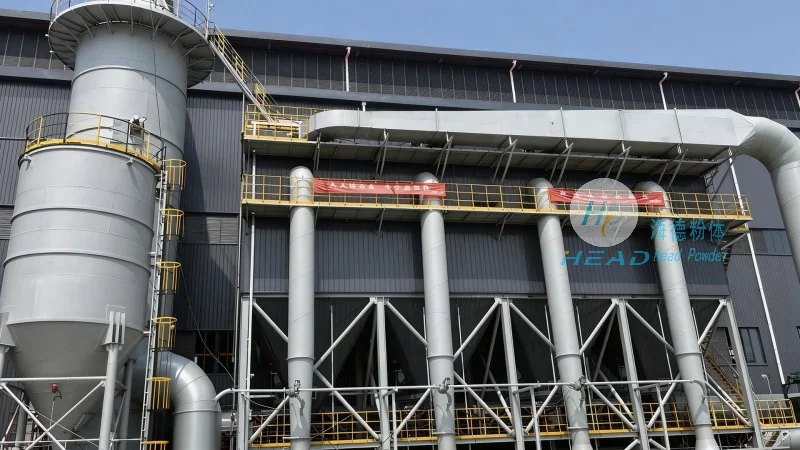
About Shandong HeadPowder Engineering Co., Ltd.
HeadPowder, a leading provider of material handling solutions, specializes in designing and manufacturing tailored systems for talc powder and other fine powders. With years of experience in the industry, HeadPowder has established itself as a trusted partner for businesses seeking reliable and efficient material handling solutions. The company’s headquarters is located in Shandong, China, where it leverages advanced technology and engineering expertise to deliver high-quality systems that meet the unique needs of its clients.
Key Design Principles for Talc Powder Material Handling Systems
The design of a talc powder material handling system is based on several critical principles to ensure optimal performance and safety. First, the system must address the unique properties of talc powder, which includes its fine particle size, low bulk density, and tendency to generate dust. To mitigate dust issues, dust control measures such as sealed hoppers, air filtration systems, and explosion-proof designs are incorporated. Second, the system should minimize product contamination and degradation. This involves using materials that are non-reactive with talc powder and maintaining clean environments throughout the handling process. Third, the system must ensure efficient and continuous material flow. This is achieved through the use of appropriate conveyor types, such as screw conveyors or pneumatic conveying systems, which are selected based on the specific characteristics of the talc powder and the application requirements.
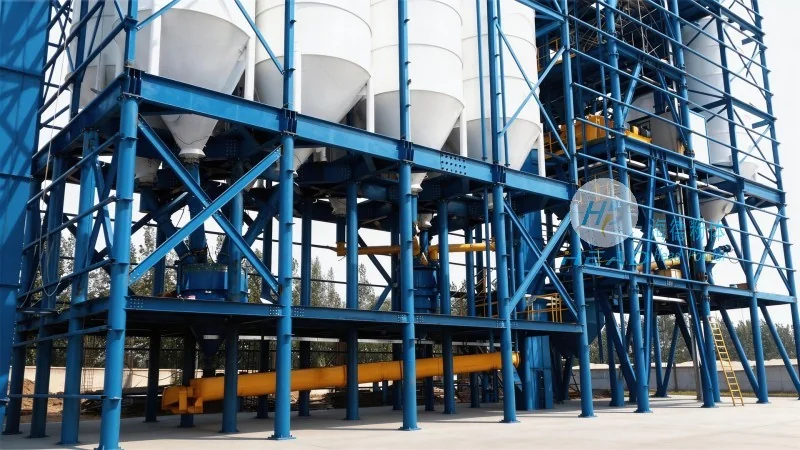
Core Components of a Talc Powder Material Handling System
A typical talc powder material handling system consists of several key components that work together to facilitate the handling process. The primary components include: 1. Hoppers and Feeders: These are used to store and feed talc powder into the system. Hoppers are designed with smooth, sloped surfaces to prevent material buildup and ensure uniform flow. Feeders, such as rotary valves or vibratory feeders, control the rate of material discharge, maintaining consistent flow rates. 2. Conveyors: Conveyors are used to transport talc powder from one location to another. Screw conveyors are commonly used for horizontal or slight incline transport due to their ability to handle fine powders without clogging. Pneumatic conveying systems are also used for longer distances or when high dust control is required. 3. Dust Control Equipment: To manage dust generation, systems include dust collection hoods, filters, and exhaust systems. These components capture airborne particles, preventing contamination and ensuring a safe working environment. 4. Control Systems: Modern talc powder handling systems are equipped with advanced control systems that monitor and regulate the flow of material, pressure, and temperature. These systems help maintain process stability and detect any anomalies in real-time.
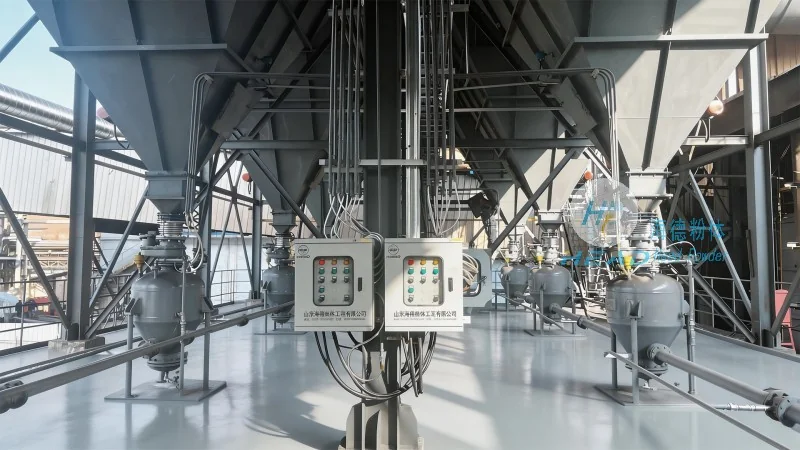
Applications and Benefits of Talc Powder Material Handling Systems
Talc powder material handling systems are widely used in various industries due to their ability to handle fine powders efficiently and safely. In the cosmetics industry, these systems are used to transport talc powder for the production of powders, lotions, and other cosmetic products. In the pharmaceutical industry, they are used to handle talc powder in the manufacturing of tablets, capsules, and other medicinal products. The benefits of using a well-designed material handling system include improved product quality, reduced downtime, enhanced safety, and increased operational efficiency. By ensuring consistent flow and minimizing dust, these systems help maintain the purity and quality of talc powder, which is critical for its end-use applications.
Conclusion
Understanding the design principles and components of a talc powder material handling system is essential for businesses that rely on talc powder in their operations. With the expertise of companies like Shandong HeadPowder Engineering Co., Ltd., businesses can implement efficient and reliable systems that meet their specific needs. By prioritizing dust control, product quality, and operational efficiency, these systems ensure the safe and effective handling of talc powder, contributing to the success of various industries that utilize this valuable mineral.