

Clay Material Handling Equipment: Understanding Their Function and Design Principles
Clay material handling equipment plays a crucial role in various industrial processes where clay and related materials need to be transported efficiently and safely. These specialized machines are designed to handle the unique properties of clay, such as its high moisture content, plasticity, and tendency to stick to surfaces. Understanding the types of equipment available and their underlying design principles is essential for optimizing material flow in production lines.
Introduction to Clay Material Handling Equipment
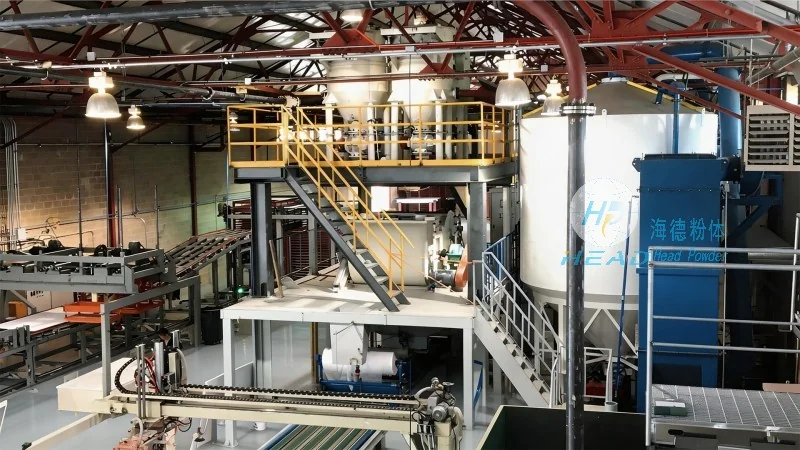
Clay material handling equipment encompasses a range of machinery tailored to the specific characteristics of clay. This includes conveyors, elevators, and other systems engineered to manage the material's flow without causing degradation or loss of quality. The primary goal of these devices is to ensure that clay moves from one processing stage to another with minimal disruption, maintaining its integrity for subsequent applications.
Key Components and Design Considerations
The design of clay material handling equipment involves several critical components and considerations to address the challenges posed by clay. For instance, the equipment must be constructed from materials that are resistant to corrosion and wear, as clay can be abrasive and may contain acidic or alkaline components. Additionally, the design incorporates features to prevent material buildup and clogging, which are common issues in clay handling due to its sticky nature.
One of the most important design principles is the use of gentle handling mechanisms. Clay is a delicate material that can be easily damaged if subjected to excessive force or impact. Therefore, equipment like belt conveyors and screw conveyors are often used, as they provide a smooth, continuous movement that minimizes stress on the material. The speed and tension of the conveying components are carefully calibrated to maintain the material's structure and prevent it from degrading into a fine powder prematurely.
Types of Clay Material Handling Equipment
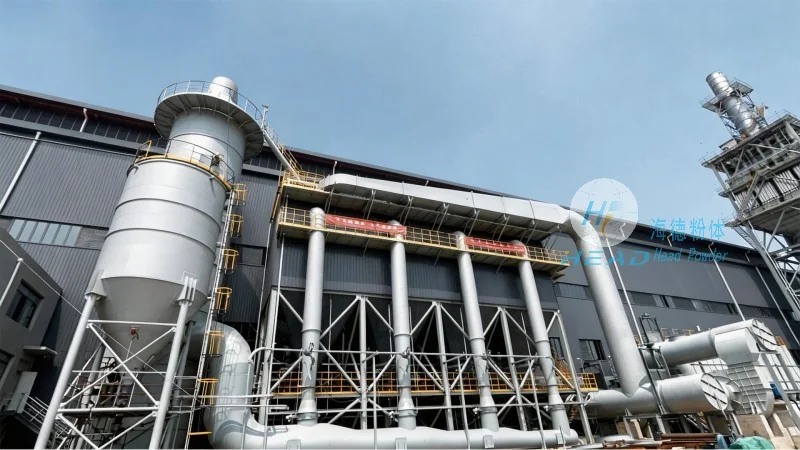
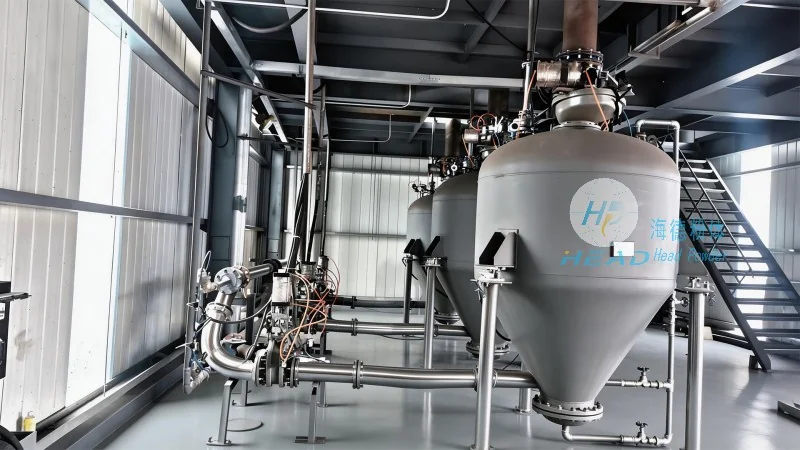
There are several types of clay material handling equipment, each suited to different operational requirements. Belt conveyors are widely used for horizontal and inclined transport, capable of moving large volumes of clay over long distances. Screw conveyors, or augers, are ideal for vertical or inclined transport, as they can lift clay from lower to higher levels with minimal space requirements. Pneumatic conveyors, which use air pressure to transport clay in a slurry or dry form, are also employed in applications where dust control is a priority.
Application Examples in Industrial Settings
Clay material handling equipment is commonly utilized in industries such as ceramics, brick manufacturing, and construction material production. In the ceramics industry, for example, clay is transported from storage silos to mixing and molding stations, where precise control over moisture content is essential. The equipment must ensure that clay arrives at these stations in the correct condition, without excessive drying or compaction that could affect the final product quality.
In brick manufacturing, clay is moved from mining sites to processing plants, where it undergoes crushing, screening, and drying. The handling equipment must be robust enough to handle the high volume of material and resistant to the abrasive effects of clay and water. The design of these systems often includes multiple stages of transport, with each stage optimized for a specific step in the production process.
Maintenance and Operational Best Practices
Proper maintenance of clay material handling equipment is crucial to ensure its longevity and efficiency. Regular cleaning of conveyor belts and screw components is necessary to prevent clay buildup, which can lead to reduced performance and increased energy consumption. Additionally, monitoring the equipment's operational parameters, such as speed and tension, helps in early detection of potential issues and allows for timely adjustments.
Operational best practices also include controlling the moisture content of clay before it enters the handling system. Excess moisture can cause the equipment to become clogged or inefficient, while too little moisture may lead to material degradation. By maintaining optimal moisture levels, the equipment can operate more smoothly, reducing downtime and maintenance costs.
Conclusion
Clay material handling equipment is a vital component in industries that rely on clay as a raw material. The design principles behind these machines focus on gentle handling, durability, and efficient material flow. By understanding the specific requirements of clay and selecting the appropriate equipment, industrial operations can enhance productivity and maintain the quality of their final products. Companies like Shandong HeadPowder Engineering Co., Ltd., based in China, specialize in providing such equipment tailored to the needs of various industrial applications.