

What is Aluminum Hydride Powder Material Handling Equipment? What Are Its Design Principles?
Aluminum hydride powder is a specialized material widely used in various industrial applications, and efficient handling of this powder is crucial for maintaining process efficiency and safety. The equipment designed for transporting and managing aluminum hydride powder must address specific challenges such as its reactivity, dust generation, and the need for precise control during material transfer. This article explores the design principles and components of aluminum hydride powder material handling equipment, providing insights into how these systems ensure safe and effective operation.
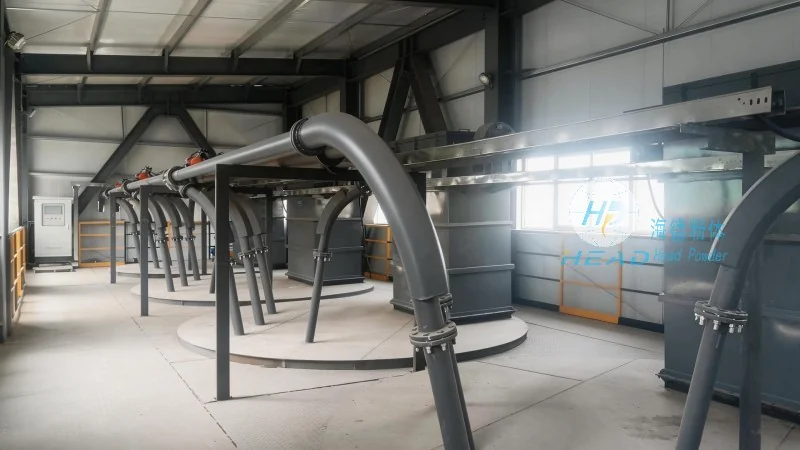
HeadPowder: A Leader in Material Handling Solutions
Shandong HeadPowder Engineering Co., Ltd., based in Shandong, China, is a prominent manufacturer specializing in engineering solutions for powder handling and material transport. With years of experience in the industry, HeadPowder has developed advanced equipment tailored to meet the unique demands of aluminum hydride powder processing. The company’s commitment to quality, safety, and innovation has positioned it as a trusted partner for businesses requiring reliable material handling systems.
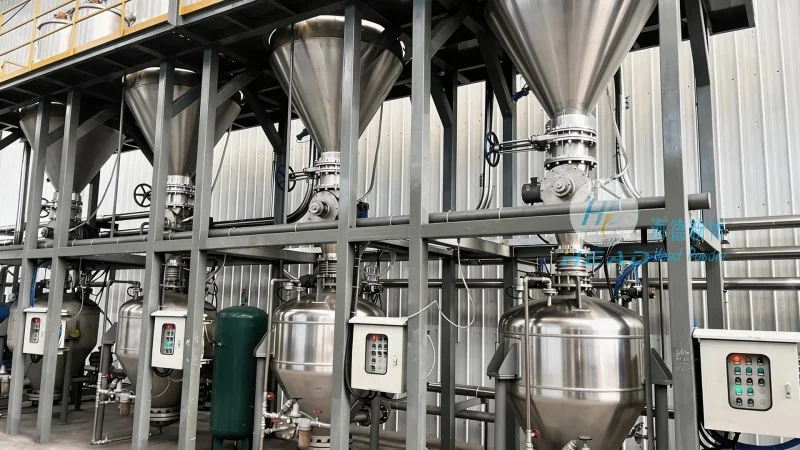
Key Design Principles for Aluminum Hydride Powder Handling
The design of aluminum hydride powder material handling equipment revolves around several critical principles aimed at ensuring safety, efficiency, and compliance with industry standards. One of the primary considerations is the prevention of dust accumulation and explosion risks, as aluminum hydride is a reactive material that can pose significant hazards if not handled properly. Equipment is typically designed with explosion-proof features, including sealed components and proper ventilation systems to mitigate these risks. Additionally, the equipment must maintain a controlled environment to prevent moisture and air exposure, which can affect the powder’s properties and reactivity.
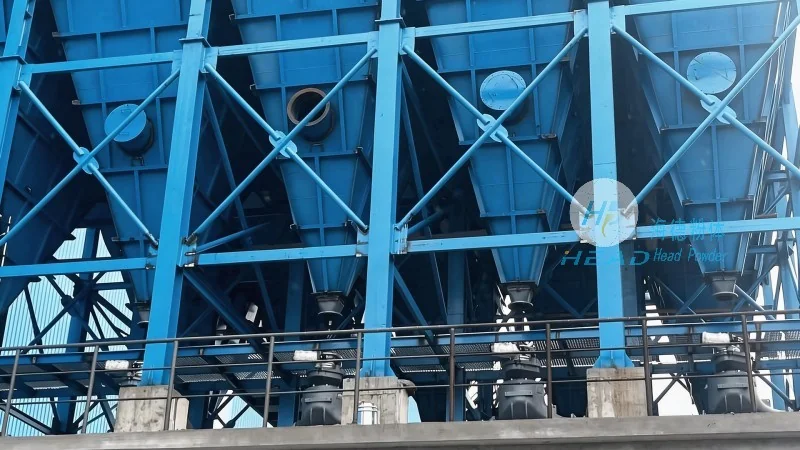
Components and Functionality of the Material Handling System
The aluminum hydride powder material handling equipment typically consists of several interconnected components that work in tandem to ensure smooth material transfer. Key components include feeders, conveyors, storage silos, and control systems. The feeders are designed to handle the bulk material and regulate the flow rate, preventing overloading or underflow. Conveyors, such as pneumatic or mechanical systems, transport the powder from one location to another while maintaining a consistent flow. Storage silos are equipped with liners and seals to protect the powder from contamination and environmental factors. The control system integrates sensors and automation to monitor parameters like pressure, temperature, and flow rate, ensuring optimal operation and safety.
Ensuring Safety and Compliance in Operation
Operational safety is a top priority when handling aluminum hydride powder, and the equipment is engineered with multiple safety features. These include explosion-proof motors, fire suppression systems, and emergency shut-off mechanisms. Regular maintenance and inspections are also essential to ensure the equipment remains in good working condition. Compliance with local and international regulations, such as those from the Occupational Safety and Health Administration (OSHA) and the European Union’s ATEX directive, is a key aspect of the design and operation of these systems. By adhering to these standards, the equipment not only protects personnel but also ensures the integrity of the material being handled.
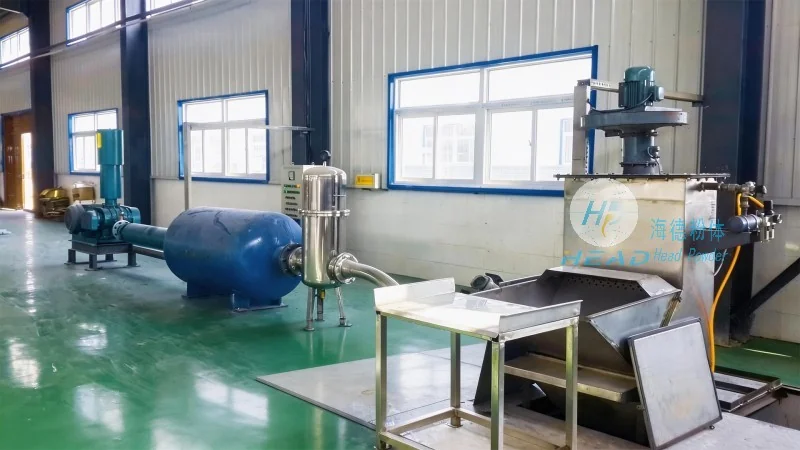
Applications and Benefits of Aluminum Hydride Powder Handling Equipment
Aluminum hydride powder is used in various applications, including chemical synthesis, fuel cells, and as a reducing agent. The efficient handling of this material is critical for optimizing production processes and minimizing downtime. The equipment designed for aluminum hydride powder offers several benefits, including improved process control, reduced material loss, and enhanced safety. By using advanced material handling systems, businesses can achieve higher productivity, lower operational costs, and better overall performance. The ability to handle aluminum hydride powder safely and effectively also opens up new opportunities for its use in emerging technologies, contributing to the advancement of various industries.