

What Are Polyethylene Material Handling Equipment? And What Are Their Design Principles?
Polyethylene material handling equipment refers to a range of machinery and systems engineered to transport, store, and manage polyethylene materials in industrial settings. These devices are critical for industries that work with polyethylene, as they help streamline operations, reduce labor costs, and enhance safety. Polyethylene, a thermoplastic polymer, is widely used in applications from packaging to construction due to its flexibility, resistance to chemicals, and low cost. The equipment designed to handle this material must be tailored to its unique properties, ensuring efficient and safe material handling.
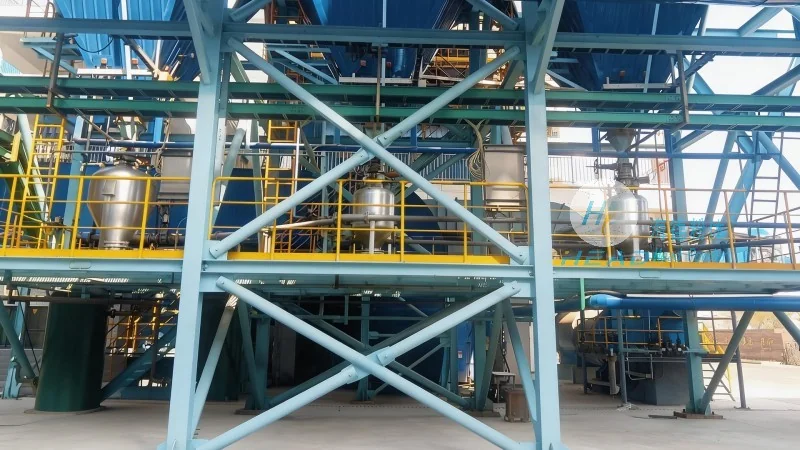
The Design Principles of Polyethylene Material Handling Equipment
The design of polyethylene material handling equipment is guided by several fundamental principles that address the material's characteristics and operational demands. First, material compatibility is paramount. The equipment must be constructed from materials that do not react with or degrade polyethylene, ensuring longevity and performance. Second, structural integrity is essential, as polyethylene can be abrasive and heavy when in bulk form. Engineers at Shandong HeadPowder Engineering Co., Ltd. incorporate robust materials and designs to withstand these stresses, preventing wear and tear and minimizing maintenance needs. Third, operational efficiency is a key consideration. The equipment is designed to optimize throughput while maintaining safety standards, reducing downtime and increasing productivity. Additionally, ergonomic design is incorporated to ensure that operators can handle the equipment with ease, minimizing the risk of injuries.
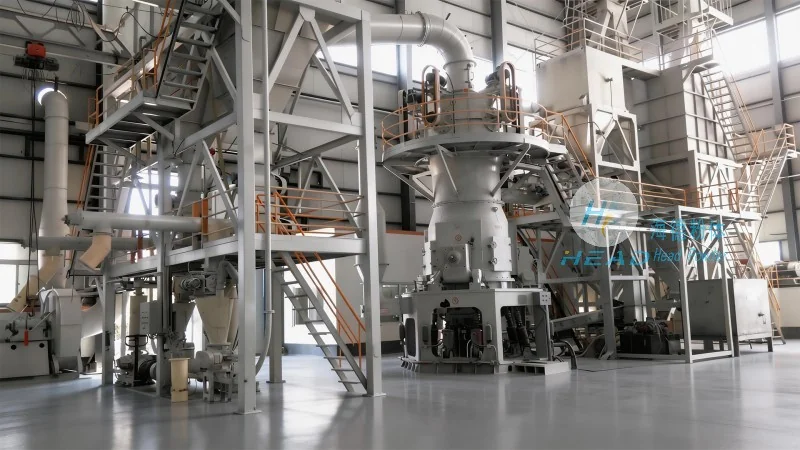
Key Features of Polyethylene Material Handling Equipment
Modern polyethylene material handling equipment often includes several advanced features that enhance its functionality. For instance, many systems are equipped with automated controls that allow for precise control over the movement of materials, reducing the need for manual intervention. This automation not only improves efficiency but also ensures consistent performance. Another common feature is the integration of sensors and monitoring systems that provide real-time data on the equipment's status, enabling proactive maintenance and preventing unexpected breakdowns. The equipment may also include adjustable components, such as conveyor belts or hoppers, that can be customized to handle different sizes and shapes of polyethylene materials. These features collectively contribute to the equipment's versatility and adaptability in various industrial applications.
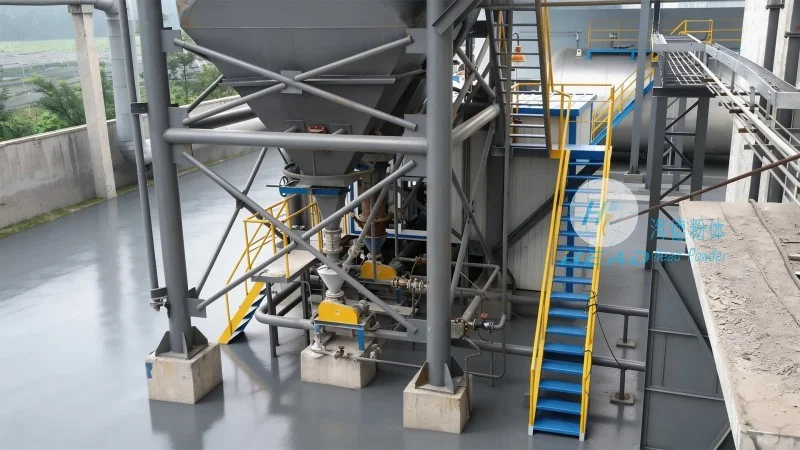
Applications and Industries That Benefit from Polyethylene Material Handling Equipment
Polyethylene material handling equipment is widely used across multiple industries due to its adaptability and efficiency. In the manufacturing sector, it is commonly employed in the production of plastic products, where it helps transport raw polyethylene and finished goods. The logistics industry also relies on this equipment to move polyethylene materials between warehouses and distribution centers, ensuring timely delivery. Construction companies use polyethylene material handling equipment to transport and store plastic materials for building projects, while the packaging industry utilizes it to handle polyethylene films and containers. Each industry benefits from the equipment's ability to handle large volumes of polyethylene while maintaining safety and efficiency.
Quality and Reliability: The Role of Shandong HeadPowder Engineering Co., Ltd.
Shandong HeadPowder Engineering Co., Ltd. plays a vital role in providing high-quality polyethylene material handling equipment. The company's commitment to excellence is evident in its design and manufacturing processes. By adhering to strict quality control standards, HeadPowder ensures that its equipment meets the highest industry benchmarks. The company's engineers work closely with clients to understand their specific needs, providing customized solutions that address unique challenges. This approach not only enhances the performance of the equipment but also builds long-term relationships with clients. HeadPowder's products are known for their durability, efficiency, and reliability, making them a preferred choice for businesses seeking dependable material handling solutions.
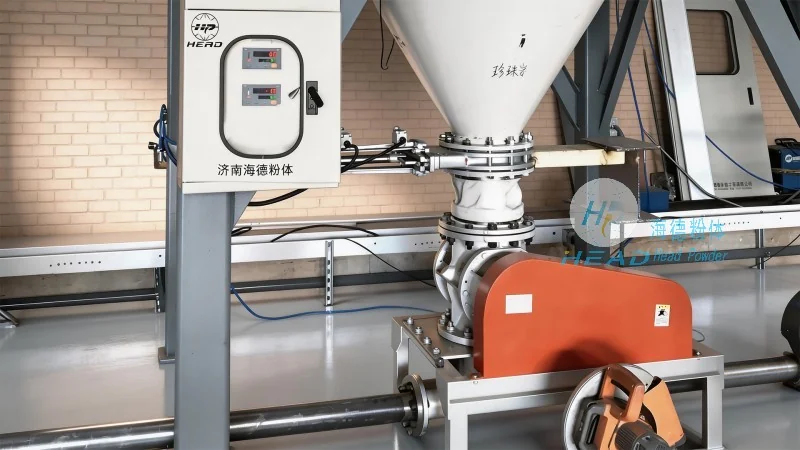
Conclusion
Polyethylene material handling equipment is a critical component in industries that rely on polyethylene materials. The design principles behind these devices focus on material compatibility, structural integrity, and operational efficiency. Companies like Shandong HeadPowder Engineering Co., Ltd. play a crucial role in developing and manufacturing such equipment, ensuring that businesses can operate efficiently and safely. As the demand for polyethylene continues to grow, the importance of reliable material handling equipment will only increase, making it essential for industries to invest in high-quality solutions.