

What Are Crystal Granule Material Handling Equipment? And What Are Their Design Principles?
Crystal granule material handling equipment is a specialized type of machinery designed to transport and process granular materials, particularly those with crystalline structures. These materials often include chemicals, pharmaceuticals, food additives, and other industrial products that require precise handling to maintain their quality and integrity. The design of such equipment is critical, as it must address the unique properties of crystal granules, including their size, shape, density, and flow characteristics. Understanding the design principles behind these systems is essential for selecting the right equipment for specific applications and ensuring efficient operation. This equipment is typically designed and manufactured by Shandong HeadPowder Engineering Co., Ltd., a leading provider of material handling solutions for various industries.
Key Components of Crystal Granule Material Handling Equipment
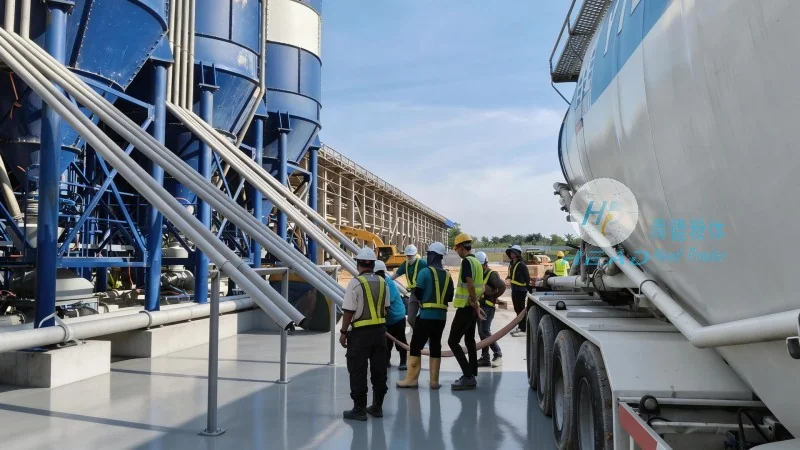
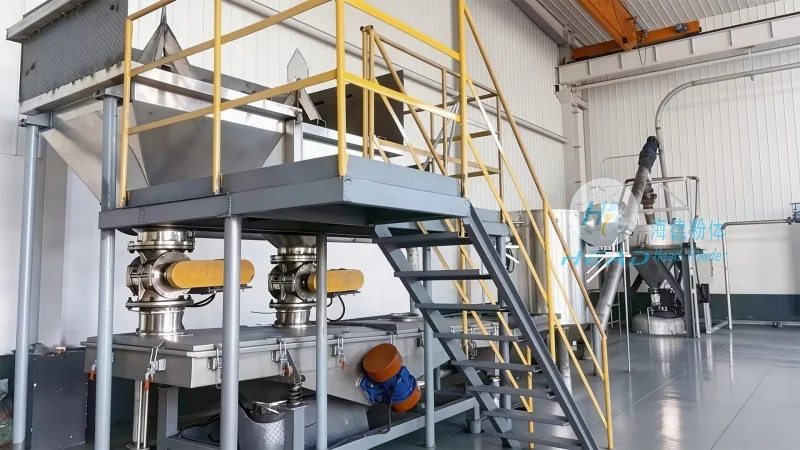
The core components of crystal granule material handling equipment typically include feeders, conveyors, storage silos, and control systems. Feeders are used to regulate the flow of material from the source to the conveyor system, ensuring a consistent and controlled feed rate. Common feeder types for crystal granules include rotary valves, vibratory feeders, and screw feeders, each chosen based on the material's properties and the required flow rate. Conveyors, such as belt conveyors or pneumatic conveyors, transport the granules from one location to another. For crystal granules, which may be prone to bridging or caking, pneumatic conveyors are often preferred as they can handle materials with higher moisture content or stickiness. Storage silos are used to store the granules before processing, and they are designed with sloped walls to prevent material buildup and ensure smooth discharge. Control systems, including sensors and automation, monitor and adjust the operation of the equipment to maintain optimal performance and prevent issues like overfilling or underflow.
Design Principles for Efficient Material Handling
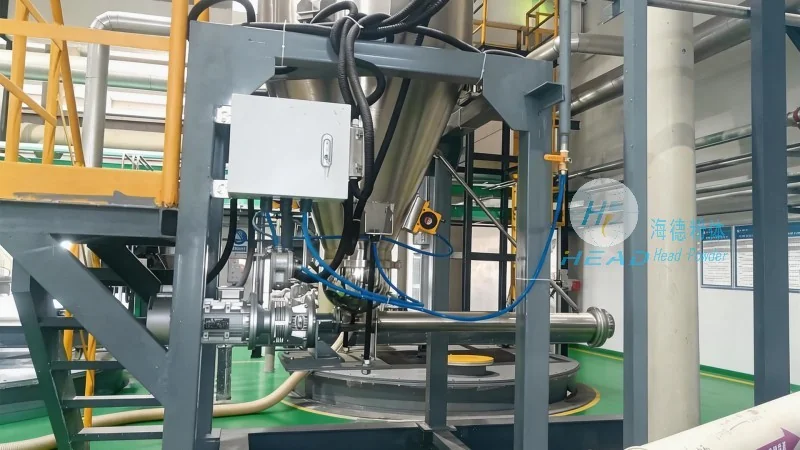
The design principles for crystal granule material handling equipment focus on several key factors to ensure efficiency, safety, and product quality. First, the equipment must be designed to handle the specific physical properties of crystal granules, such as their particle size distribution, density, and flowability. This involves selecting materials for the equipment components that are resistant to corrosion and wear, as crystal granules can be abrasive and may contain chemicals that could damage standard materials. For example, stainless steel or special alloys are often used for conveyor belts and hoppers to prevent material adhesion and maintain hygiene. Second, the design must address the flow characteristics of the granules. Crystal granules may exhibit cohesive behavior, leading to bridging or rat-holing in hoppers and silos. To mitigate this, the equipment is designed with sloped hopper walls, air knives, or vibratory systems to promote material flow and prevent blockages. Third, the equipment must be integrated with control systems that allow for real-time monitoring and adjustment. Sensors, such as level sensors and flow meters, provide data on the material levels and flow rates, while automation systems adjust feeder speeds and conveyor speeds to maintain a consistent process. This integration ensures that the equipment operates within optimal parameters, reducing downtime and improving overall efficiency.
Applications of Crystal Granule Material Handling Equipment
Crystal granule material handling equipment is widely used in various industries, including chemical manufacturing, pharmaceuticals, food processing, and agriculture. In the chemical industry, these systems are used to transport and process raw materials like fertilizers, pigments, and specialty chemicals. The precision and control offered by these equipment ensure that the chemical reactions are carried out efficiently and safely. In the pharmaceutical industry, the equipment is used to handle active pharmaceutical ingredients (APIs) and excipients, where maintaining product purity and consistency is critical. The hygienic design of the equipment, with smooth surfaces and easy-to-clean components, is essential to prevent contamination and meet regulatory standards. In the food industry, the equipment is used to handle food additives, such as sugar, salt, and flavorings, ensuring that the products are processed and transported without compromising their quality or safety. The ability to handle different types of crystal granules makes this equipment versatile and suitable for a wide range of applications.
Advantages of Using Crystal Granule Material Handling Equipment
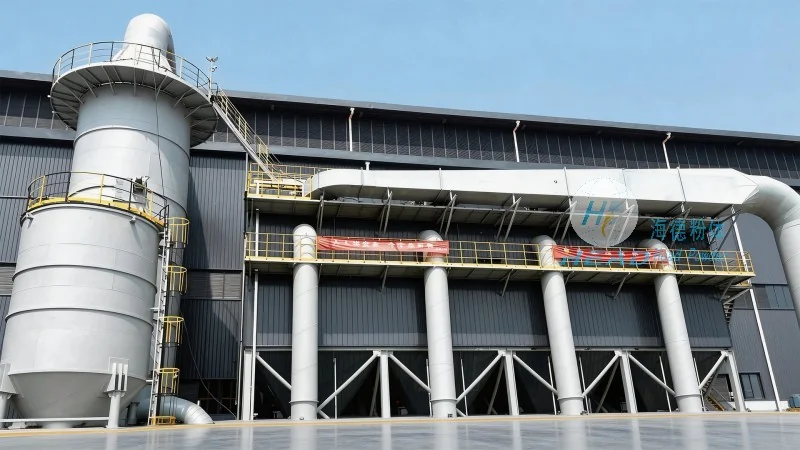
There are several advantages to using specialized crystal granule material handling equipment. First, the equipment is designed to handle the unique properties of crystal granules, ensuring efficient and safe operation. Unlike general-purpose equipment, which may not be suitable for these materials, specialized equipment minimizes the risk of material degradation, caking, or bridging. Second, the equipment offers high precision and control, allowing for consistent flow rates and material levels. This precision is crucial for processes that require exact amounts of material, such as in chemical reactions or pharmaceutical manufacturing. Third, the equipment is designed for durability and longevity, with components that are resistant to wear and corrosion. This reduces maintenance costs and extends the equipment's service life. Fourth, the equipment is often integrated with automation and control systems, which improve operational efficiency and reduce the need for manual intervention. This not only increases productivity but also enhances safety by minimizing human exposure to the materials being handled.