

What Are Alumina Particle Material Handling Equipment? And What Are Their Design Principles?
Alumina, a widely used industrial material, is often processed in the form of fine particles. The efficient and reliable transportation of these particles is crucial for various industrial applications, from manufacturing to processing. This article explores the types of equipment used for alumina particle material handling and delves into the underlying design principles that ensure their optimal performance.
Understanding Alumina Particle Material Handling Equipment
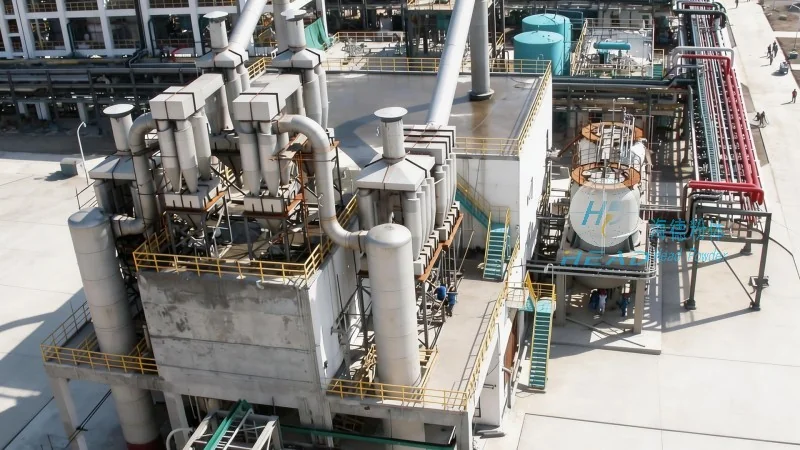
Alumina particle material handling equipment is specifically engineered to transport alumina particles from one location to another within industrial facilities. These systems are designed to handle the unique properties of alumina, such as its fine particle size, abrasive nature, and potential for dust generation. The primary goal of these equipment is to ensure a continuous, safe, and efficient flow of alumina particles while minimizing operational risks and maintenance costs.
Key Components and Types of Equipment
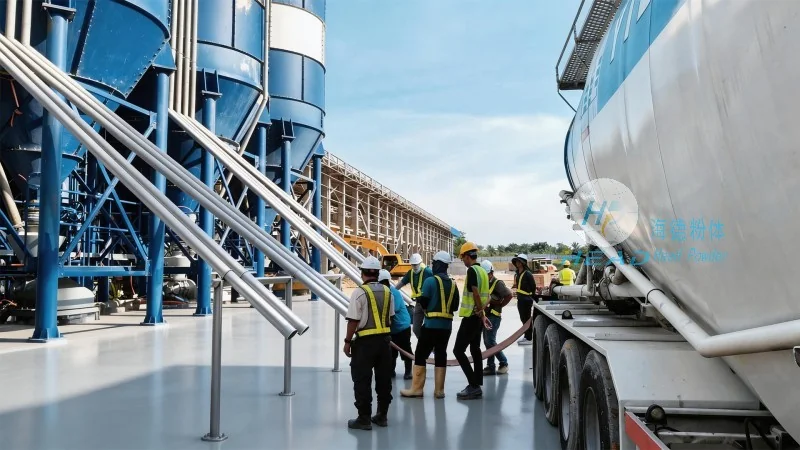
There are several types of equipment commonly used for alumina particle material handling, each tailored to specific operational requirements. The most common types include screw conveyors, pneumatic conveying systems, and bucket elevators. Screw conveyors, for instance, use a rotating screw to move particles along a trough, making them suitable for horizontal or slight incline applications. Pneumatic conveying systems, on the other hand, utilize air pressure to transport particles through a pipeline, offering flexibility in layout and the ability to handle both fine and coarse particles. Bucket elevators are ideal for vertical transport, using buckets attached to a chain or belt to lift particles from lower to higher levels.
The Design Principles Behind Alumina Particle Handling Equipment
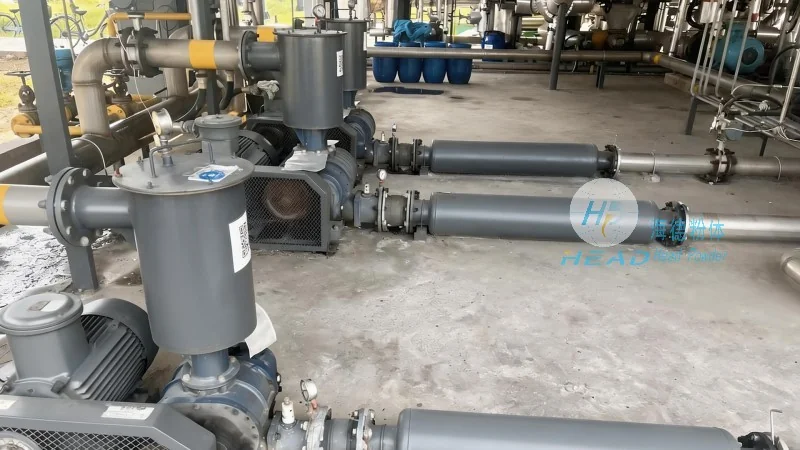
The design of alumina particle material handling equipment is guided by several critical principles to ensure durability, efficiency, and safety. First, the equipment must be constructed from materials that can withstand the abrasive nature of alumina particles, preventing wear and tear over time. Common materials include stainless steel, high-grade alloys, and specialized coatings that resist corrosion and abrasion. Second, the design must consider the particle size distribution and flow characteristics of alumina. Proper sizing of components, such as screw flights, pipeline diameters, and bucket dimensions, is essential to maintain a consistent flow rate and prevent blockages. Third, the system must incorporate effective dust control measures. Alumina particles are often fine and can generate significant dust, which poses health and safety risks. Therefore, equipment is typically equipped with dust collection systems, sealed enclosures, and proper ventilation to minimize exposure. Fourth, the design must prioritize energy efficiency and operational reliability. This includes selecting appropriate motor sizes, using efficient drive mechanisms, and incorporating control systems that monitor and adjust the flow as needed. Finally, the equipment must adhere to relevant safety standards and regulations, ensuring that it operates within safe parameters and minimizes the risk of accidents.
HeadPowder: A Leader in Alumina Particle Handling Solutions
Shandong HeadPowder Engineering Co., Ltd., commonly known as HeadPowder, is a reputable manufacturer specializing in the design and production of alumina particle material handling equipment. With a strong focus on quality and innovation, HeadPowder has established itself as a trusted partner for industries relying on alumina processing. The company’s expertise lies in understanding the unique challenges of alumina particle handling and developing customized solutions that meet specific operational needs. HeadPowder’s equipment is engineered to deliver high performance, durability, and reliability, ensuring that clients can maintain efficient production processes while minimizing downtime and maintenance costs. The company’s commitment to customer satisfaction and technical excellence has made it a preferred choice for businesses in the alumina industry.
Conclusion
In conclusion, alumina particle material handling equipment plays a vital role in the efficient processing of alumina, and their design principles are critical to ensuring optimal performance. By understanding the unique properties of alumina and applying robust design principles, manufacturers like HeadPowder can deliver equipment that meets the demands of modern industrial applications. As the demand for alumina continues to grow, the importance of reliable material handling systems will only increase, making the design and development of these equipment a key area of focus for industry leaders.