

What is a Hybrid Material Handling Conveyor? Exploring Its Design Principles
When it comes to optimizing material handling processes in industrial settings, the choice of conveyor system can significantly impact efficiency, cost-effectiveness, and overall operational performance. Among the various options available, hybrid material handling conveyors have emerged as a versatile solution that combines the advantages of different conveyor technologies. This article delves into what hybrid material handling conveyors are and explores the fundamental design principles that underpin their functionality, offering insights into how they can enhance productivity in diverse industrial applications.
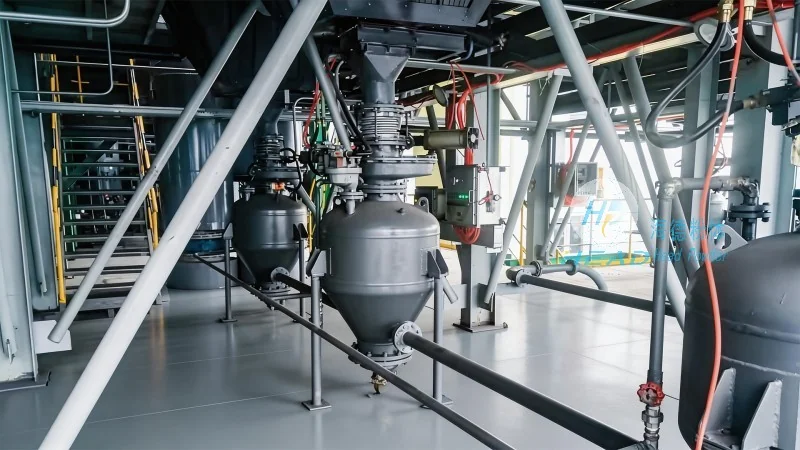
Understanding Hybrid Material Handling Conveyors
A hybrid material handling conveyor is a system that integrates multiple conveyor technologies—such as belt, chain, roller, or automated guided vehicle (AGV) components—to create a customized solution tailored to specific material handling needs. Unlike traditional conveyors that rely on a single mechanism, hybrid systems are designed to adapt to varying operational requirements, enabling seamless transitions between different stages of material movement. This flexibility makes them particularly suitable for complex production lines where materials may need to be transported, sorted, and processed in different ways. The core idea behind hybrid conveyors is to leverage the strengths of each component while mitigating the limitations of standalone systems, resulting in a more robust and efficient material handling solution.
Key Design Principles of Hybrid Material Handling Conveyors
The design of a hybrid material handling conveyor is guided by several critical principles that ensure optimal performance and adaptability. First, modularity is a key design consideration, as it allows for easy integration of different conveyor segments and components. This modularity enables manufacturers to customize the system based on the specific requirements of the application, whether it involves transporting heavy loads, sorting lightweight items, or combining vertical and horizontal movement. Second, the principle of integration is crucial, as it ensures that different conveyor technologies work in harmony to achieve a unified goal. For instance, a hybrid system might combine a belt conveyor for horizontal transport with a roller conveyor for inclined movement, or incorporate an AGV for automated material transfer between different workstations. This integration minimizes downtime and streamlines the overall material flow, reducing the need for manual intervention and improving operational efficiency.
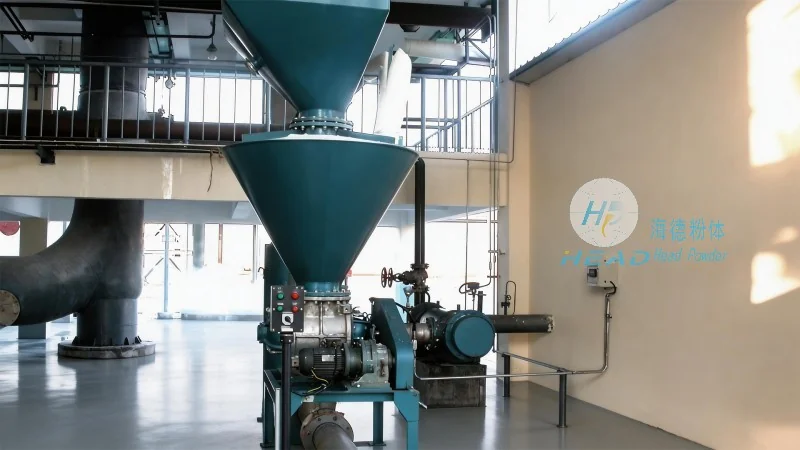
Third, the design emphasizes efficiency and energy conservation. Hybrid systems are engineered to optimize power usage by selecting the most appropriate conveyor technology for each segment of the process. For example, a belt conveyor may be used for long-distance horizontal transport due to its high speed and low friction, while a roller conveyor is employed for shorter vertical or inclined sections where precision and load stability are critical. By matching the right technology to the task, hybrid conveyors reduce energy consumption and lower operational costs, making them a cost-effective choice for industrial operations. Additionally, the design incorporates features such as variable speed control and intelligent sensors that allow for real-time monitoring and adjustment of the system's performance, further enhancing efficiency and reliability.
Applications and Benefits of Hybrid Material Handling Conveyors
Hybrid material handling conveyors find applications across a wide range of industries, including manufacturing, logistics, and warehousing. In manufacturing environments, they are commonly used in assembly lines where materials need to be transported from one workstation to another, sorted, and processed. The ability to integrate different conveyor types allows for smooth transitions between manual and automated processes, improving workflow and reducing bottlenecks. In logistics and warehousing, hybrid systems are employed for order picking, sorting, and distribution, where they can handle a variety of product sizes and weights with ease. The flexibility of hybrid conveyors also makes them suitable for industries with changing production demands, such as e-commerce and retail, where inventory levels and order volumes fluctuate frequently.
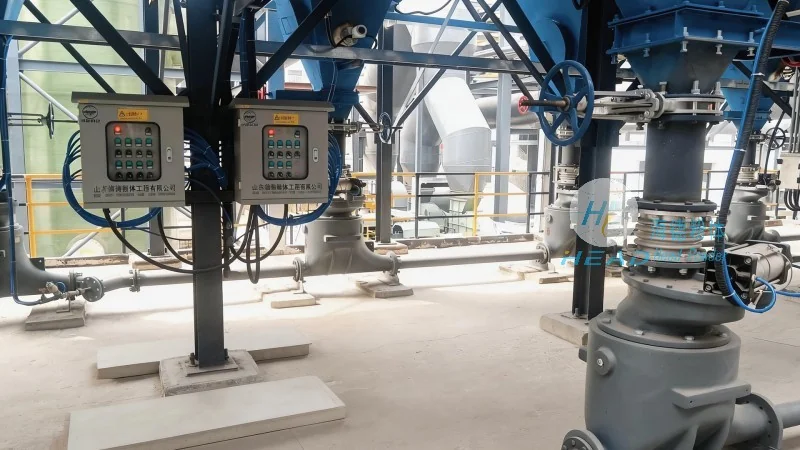
The benefits of using hybrid material handling conveyors extend beyond operational efficiency. They also contribute to cost savings and improved safety. By reducing the need for manual handling and minimizing the risk of material damage or loss, hybrid systems lower labor costs and improve workplace safety. Furthermore, the modular design allows for easy maintenance and repair, as individual components can be replaced or upgraded without disrupting the entire system. This reduces downtime and extends the lifespan of the conveyor, providing a long-term return on investment.
Conclusion
Hybrid material handling conveyors represent a sophisticated approach to material handling, combining the strengths of various conveyor technologies to create a versatile and efficient solution. By adhering to key design principles such as modularity, integration, and efficiency, these systems can significantly enhance productivity and reduce operational costs in industrial settings. As industries continue to evolve and demand more flexible and adaptive material handling solutions, hybrid conveyors are poised to play an increasingly important role in optimizing workflow and improving overall operational performance. For businesses seeking to enhance their material handling capabilities, understanding the design principles and applications of hybrid conveyors is essential for making informed decisions and achieving long-term success.