

What is a Gray Bin Material Conveying Line? What are its Design Principles?
Gray bin material conveying lines are specialized industrial systems designed to handle and transport bulk materials efficiently. These systems are commonly used in various industries, including manufacturing, mining, and food processing, where the need to move large quantities of materials from one location to another is essential for operational efficiency. The core of such a system is the gray bin, which serves as a storage and feeding unit for the material, and the conveying line that transports the material to the processing or discharge point.
Understanding the Gray Bin Material Conveying Line
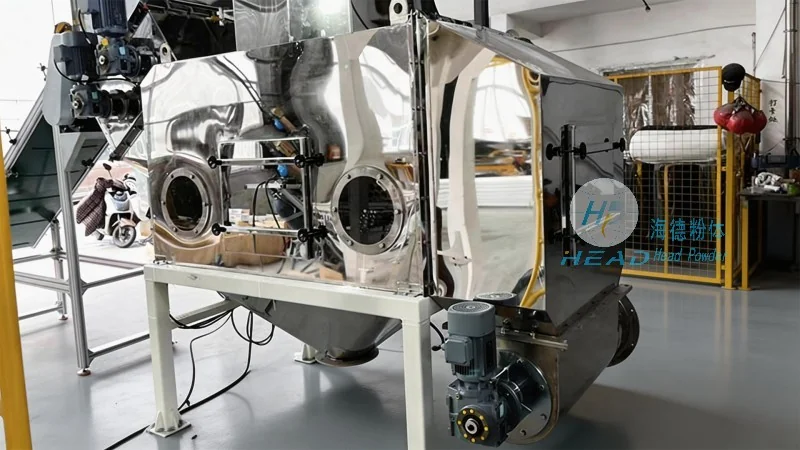
At the heart of a gray bin material conveying line is the gray bin itself. This container is typically made of durable materials like metal or high-density plastic, designed to withstand the weight and abrasiveness of the materials being handled. The bin is equipped with a feeding mechanism, often a hopper or a screw feeder, which regulates the flow of material into the conveying system. The gray bin also features a discharge outlet that connects to the conveyor, ensuring a smooth transition of material from storage to transport.
The conveying line, which may consist of various components such as belt conveyors, screw conveyors, or pneumatic conveyors, is integrated with the gray bin to form a cohesive system. The choice of conveyor type depends on the characteristics of the material, such as its size, density, and moisture content, as well as the operational requirements of the facility. For example, a belt conveyor is often used for transporting dry, free-flowing materials, while a screw conveyor is suitable for handling bulkier or more cohesive materials.
Key Design Principles of Gray Bin Material Conveying Lines
Designing an effective gray bin material conveying line involves several critical principles that ensure optimal performance and reliability. One of the primary principles is material handling efficiency, which focuses on minimizing the time and energy required to move materials from the storage bin to the processing area. This is achieved through the proper selection of conveyor speed, capacity, and the design of the feeding mechanism to prevent material buildup or blockages.
Another important design principle is durability and maintenance. Since these systems operate in demanding industrial environments, they must be constructed from robust materials that can withstand continuous use and potential wear and tear. Regular maintenance is also a key aspect of the design, with features like easy access to components for cleaning and repair, reducing downtime and operational costs.
Space efficiency is also a critical consideration in the design of gray bin material conveying lines. Many industrial facilities have limited space, and the system must be designed to fit within the available footprint without compromising its performance. This often involves compact designs, such as vertical conveyors or modular systems that can be configured to fit specific spatial constraints.
Components and Integration in Gray Bin Material Conveying Lines
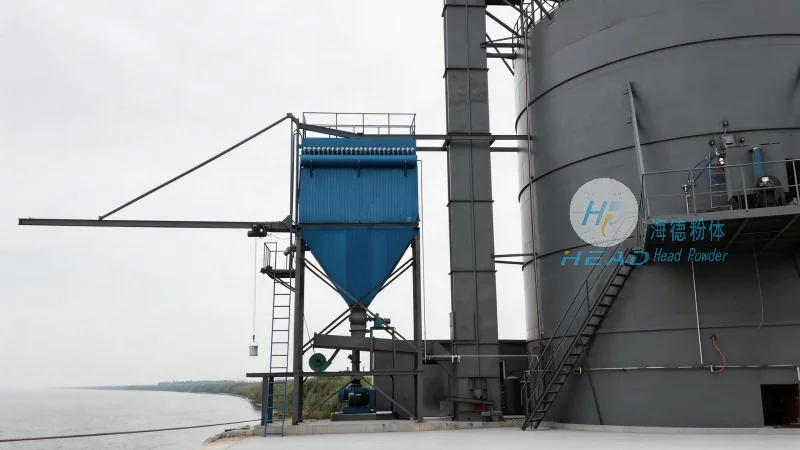
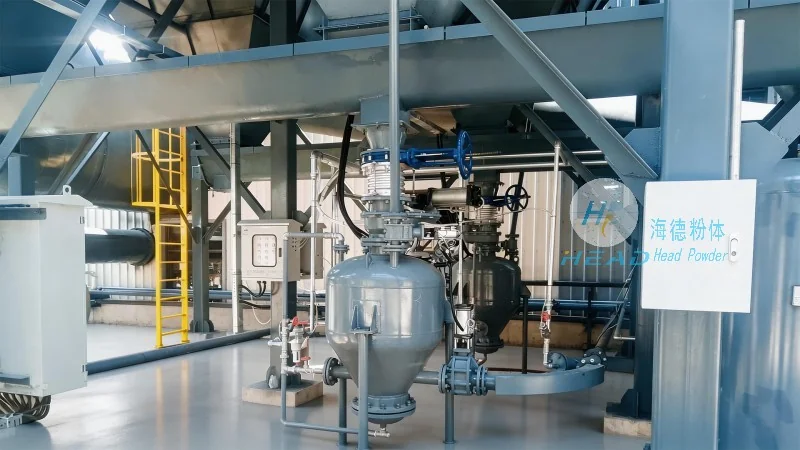
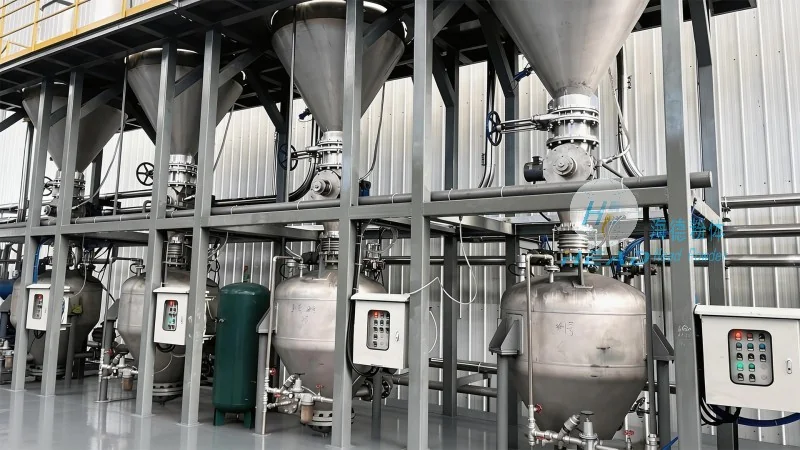
A gray bin material conveying line typically consists of several interconnected components that work together to achieve the desired material transport. The main components include the gray bin, the conveyor system, control systems, and sometimes auxiliary equipment like hoppers or chutes. Each component plays a vital role in the overall operation of the system.
The gray bin serves as the primary storage unit, holding the bulk material until it is needed for processing. The bin is usually equipped with a feeding mechanism, such as a screw or a vibratory feeder, which controls the flow of material into the conveyor. The conveyor then transports the material to the discharge point, where it can be further processed or stored.
Control systems are essential for managing the operation of the conveying line. These systems may include sensors to monitor the level of material in the bin, control valves to regulate the flow of material, and motors to drive the conveyor. The control system ensures that the material is transported at the appropriate speed and quantity, preventing overloading or underloading of the conveyor.
Applications and Benefits of Gray Bin Material Conveying Lines
Gray bin material conveying lines are widely used in various industries due to their versatility and efficiency. In manufacturing, they are used to transport raw materials to production lines, while in mining, they help move ore from storage bins to processing equipment. In food processing, they are used to handle ingredients like grains or powders, ensuring a hygienic and efficient flow of materials.
The benefits of using a gray bin material conveying line include improved operational efficiency, reduced labor costs, and enhanced safety. By automating the material handling process, these systems minimize the need for manual labor, reducing the risk of accidents and injuries. Additionally, the consistent flow of material ensures that production processes run smoothly, minimizing downtime and increasing overall productivity.
Another significant benefit is the ability to handle a wide range of materials, from fine powders to large bulk solids. The design of the gray bin and the conveyor system can be customized to suit the specific characteristics of the material, ensuring optimal performance and minimal material loss. This flexibility makes gray bin material conveying lines a valuable asset for many industrial applications.
Customization and Scalability in Gray Bin Material Conveying Lines
One of the key advantages of gray bin material conveying lines is their ability to be customized to meet the specific needs of a facility. Manufacturers like Shandong HeadPowder Engineering Co., Ltd. offer tailored solutions that can be adjusted in terms of capacity, conveyor type, and control systems. This customization ensures that the system is optimized for the particular material being handled and the operational requirements of the facility.
Scalability is another important feature of these systems. As a company's production needs grow, the conveying line can be expanded or upgraded to accommodate increased material volumes. This flexibility allows businesses to invest in a system that can grow with their operations, avoiding the need for costly replacements or upgrades in the future.
Customization also extends to the integration of the system with existing equipment. Many facilities have existing storage or processing equipment, and the gray bin material conveying line can be designed to interface with these systems seamlessly. This integration ensures that the overall material handling process is efficient and coordinated, maximizing the productivity of the facility.
Maintenance and Longevity of Gray Bin Material Conveying Lines
Maintaining the longevity and reliability of a gray bin material conveying line is crucial for its long-term performance. Regular maintenance is essential to ensure that all components are functioning correctly and to prevent potential issues before they become major problems. This includes routine checks of the conveyor belt, lubrication of moving parts, and inspection of the feeding mechanism.
Proper maintenance not only extends the lifespan of the system but also reduces operational costs. By identifying and addressing issues early, maintenance can prevent costly downtime and repairs. Additionally, using high-quality components and materials, as offered by manufacturers like Shandong HeadPowder Engineering Co., Ltd., ensures that the system is built to last and requires minimal maintenance over its operational life.
Training personnel on the proper operation and maintenance of the conveying line is also an important aspect of ensuring its longevity. Well-trained operators can identify potential issues and take corrective action, reducing the risk of equipment failure and improving overall system performance.
Conclusion
Gray bin material conveying lines are sophisticated industrial systems that play a vital role in the efficient handling and transport of bulk materials. Their design, based on principles of material flow, durability, and space efficiency, ensures that they can meet the demanding requirements of various industries. With customization options and scalability, these systems can adapt to the changing needs of a facility, providing long-term benefits in terms of productivity and cost-effectiveness.
Companies like Shandong HeadPowder Engineering Co., Ltd. specialize in the design, manufacturing, and installation of gray bin material conveying lines, offering tailored solutions that enhance operational efficiency and reliability. By understanding the key design principles and components of these systems, businesses can make informed decisions about implementing such equipment to improve their material handling processes.