

What is a Coal Ash Material Conveying Line? What Are Its Design Principles?
Coal ash material conveying lines are essential industrial systems designed to transport coal ash from its source to designated disposal or utilization sites. These systems are integral to power generation facilities, where coal combustion produces ash that must be managed efficiently. The design of such lines is critical for ensuring safe, reliable, and cost-effective operation, as coal ash handling is a key aspect of overall plant performance and environmental compliance.
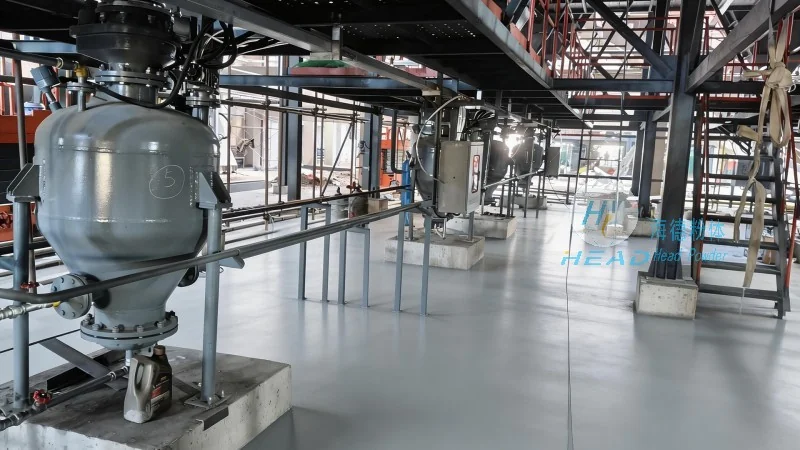
Understanding the Core Function of Coal Ash Conveying Systems
The primary function of a coal ash material conveying line is to move ash from the boiler or ash handling equipment to storage silos, landfills, or recycling facilities. This process involves various components working in tandem to maintain the flow of ash, control dust, and minimize environmental impact. Understanding the fundamental purpose of these systems is the first step in appreciating their design and operational requirements.
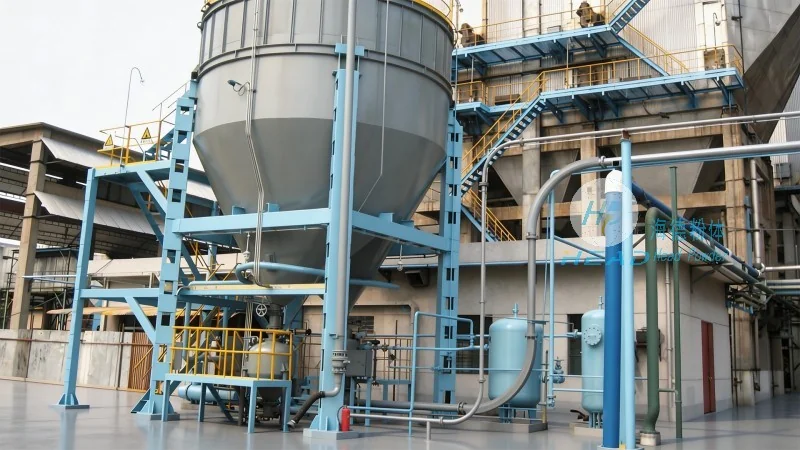
Key Design Principles for Efficient Coal Ash Handling
Effective design of coal ash conveying lines relies on several key principles. First, the system must be capable of handling the specific characteristics of coal ash, such as its particle size, moisture content, and abrasive nature. This often involves selecting appropriate materials for conveyor components, such as belts, hoppers, and chutes, to withstand wear and tear. Second, the design must prioritize safety and environmental protection. This includes implementing dust suppression measures, such as water sprays or enclosed systems, to prevent airborne ash particles from contaminating the environment. Third, efficiency and cost-effectiveness are critical. The system should minimize energy consumption while maximizing throughput, ensuring that it meets the operational demands of the power plant without excessive operational costs.
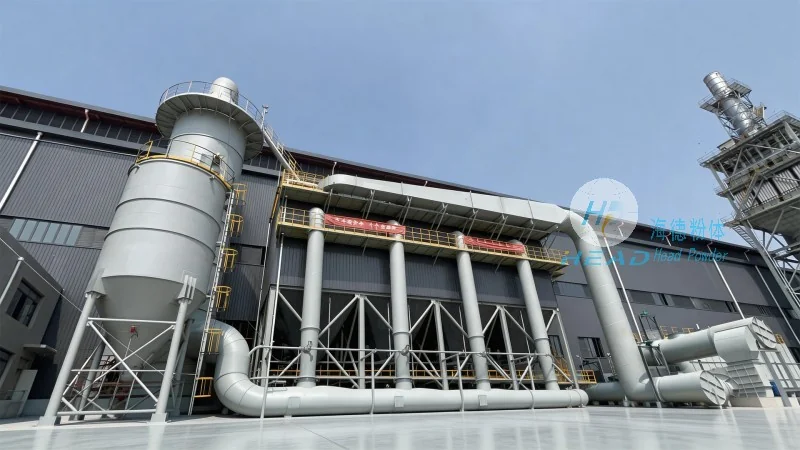
Components and Their Roles in the Conveying Process
Coal ash material conveying lines typically consist of several key components, each with a specific role in the overall process. The primary component is the conveyor itself, which may be a belt conveyor, screw conveyor, or pneumatic conveyor, depending on the plant's needs. Belt conveyors are commonly used for horizontal and slight incline transport due to their high capacity and ability to handle large volumes of ash. Screw conveyors are often used for vertical or inclined transport, providing a compact solution for moving ash between different levels. Pneumatic conveyors, or air slides, are used when the ash is fine and dusty, as they can transport material through enclosed ducts using air pressure. Additionally, the system includes hoppers and chutes to direct the flow of ash into the conveyor, and control valves to regulate the flow rate. These components work together to ensure a smooth and continuous transport process.
Application Scenarios and Operational Considerations
The application of coal ash material conveying lines varies depending on the specific requirements of the power plant. For example, in large thermal power plants, the system may need to handle high volumes of ash, requiring multiple conveyors and storage facilities. In smaller plants, a single conveyor system may suffice. Operational considerations also include the need for regular maintenance to prevent equipment failure and ensure consistent performance. This includes inspecting conveyor belts for wear, cleaning chutes to prevent blockages, and checking the effectiveness of dust suppression systems. Additionally, the system must be designed to accommodate changes in ash characteristics, such as variations in moisture content or particle size, which can affect the conveying process. Proper maintenance and monitoring are essential to ensure the system operates efficiently and safely over its lifespan.
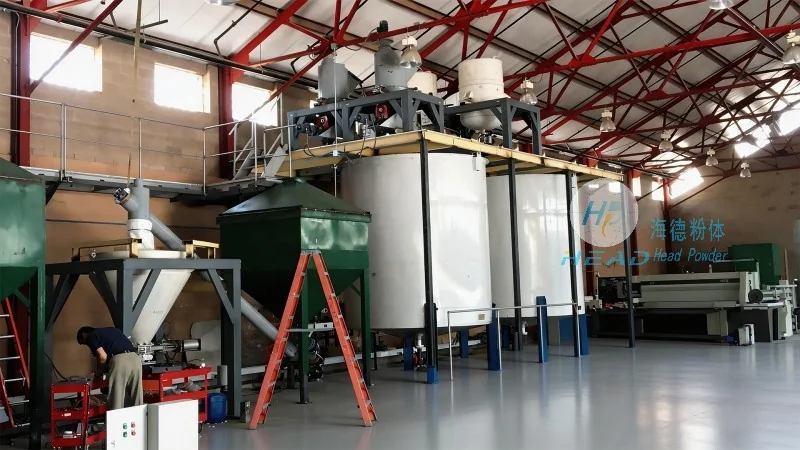
The Role of HeadPowder in Providing Customized Solutions
Shandong HeadPowder Engineering Co., Ltd., a leading provider of industrial conveying solutions, specializes in designing and manufacturing coal ash material conveying lines tailored to the unique needs of power generation facilities. With years of experience in the industry, HeadPowder understands the challenges associated with coal ash handling and provides customized solutions that meet the specific requirements of each client. The company's engineers work closely with clients to assess their operational needs, ash characteristics, and environmental regulations to develop a system that is both efficient and compliant. HeadPowder's products are designed with durability and reliability in mind, using high-quality materials and advanced technology to ensure long-term performance. The company also offers maintenance and support services to ensure that the conveying lines operate at peak efficiency, minimizing downtime and maximizing the life of the equipment. By partnering with HeadPowder, power plants can improve their ash handling processes, reduce operational costs, and enhance overall plant performance.