

What is a Bentonite Material Conveying Line? And What Are Its Design Principles?
For industrial applications that require the efficient handling of bentonite materials, understanding the functionality and design principles of a bentonite material conveying line is crucial. This article provides an overview of what such a system entails and the key design considerations that ensure optimal performance.
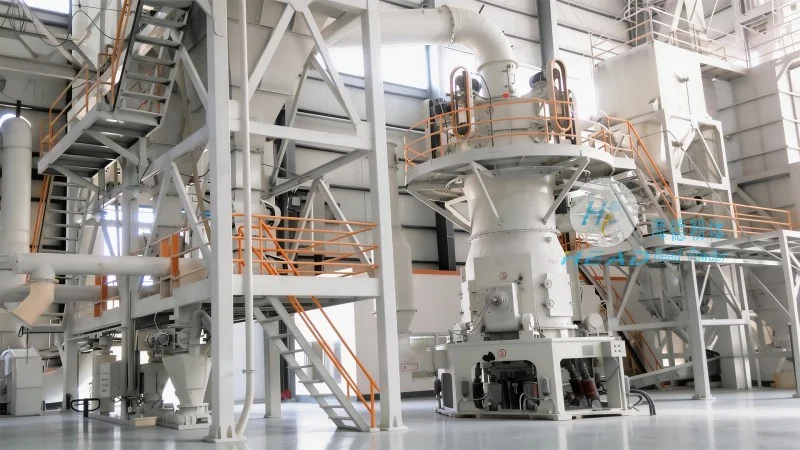
Introduction to Bentonite Material Conveying Lines
A bentonite material conveying line is a specialized system engineered to transport bentonite, a natural clay mineral widely used in various industries including drilling fluids, foundry casting, and environmental remediation. The system typically consists of components like feed hoppers, conveyor belts or screw conveyors, control systems, and dust suppression mechanisms. These components work in tandem to ensure the safe, efficient, and consistent movement of bentonite from storage to processing or application points.
Key Design Principles for Efficient Material Handling
The design of a bentonite material conveying line is guided by several critical principles aimed at maximizing efficiency, minimizing downtime, and ensuring material integrity. One of the primary considerations is the selection of appropriate conveyor technology. For example, screw conveyors are often preferred for their ability to handle bulk materials with minimal segregation, while belt conveyors may be used for longer horizontal or inclined transport distances. The choice of equipment depends on factors such as the material's moisture content, particle size distribution, and the required throughput capacity.
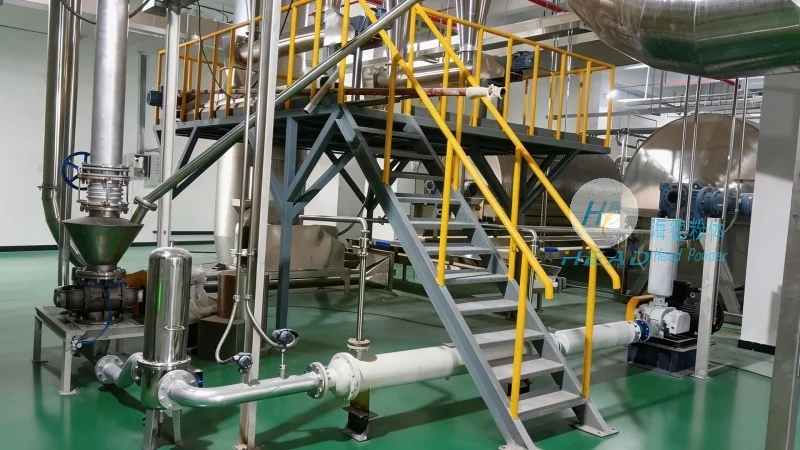
Another crucial design principle is the integration of dust control measures. Bentonite, like many clays, can generate significant dust during handling, which poses health and safety risks as well as operational challenges. Effective dust suppression systems, including enclosures, air filtration units, and misting devices, are incorporated into the design to maintain a clean and safe working environment. This not only protects personnel but also prevents material loss and equipment damage caused by dust accumulation.
System Components and Their Roles
A typical bentonite material conveying line includes several key components, each playing a vital role in the overall operation. The feed hopper is the initial point of material intake, designed to store and feed the bentonite into the conveyor system. It often features a hopper with a sloped bottom to facilitate material flow and may include a level sensor to monitor inventory levels. The conveyor itself—whether a screw or belt type—transports the material from the hopper to the discharge point. The control system manages the operation of the conveyor, including start/stop functions, speed adjustments, and safety interlocks. Additionally, the discharge mechanism ensures the material is released smoothly and without blockages, often incorporating a valve or gate to regulate the flow.
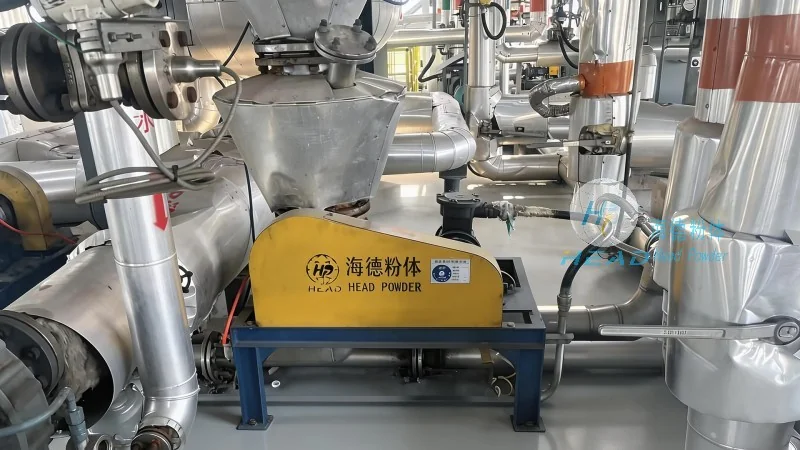
Ensuring Material Integrity and Process Consistency
Preserving the quality and consistency of bentonite during transport is a key objective of the design. Bentonite is sensitive to moisture and temperature changes, which can affect its rheological properties and performance in downstream applications. Therefore, the conveying line is designed to minimize exposure to these variables. For instance, enclosed conveyor systems help maintain a stable temperature and prevent moisture absorption from the air. Additionally, the speed of the conveyor is carefully controlled to avoid excessive shear or pressure on the material, which could degrade its structure or cause clumping.
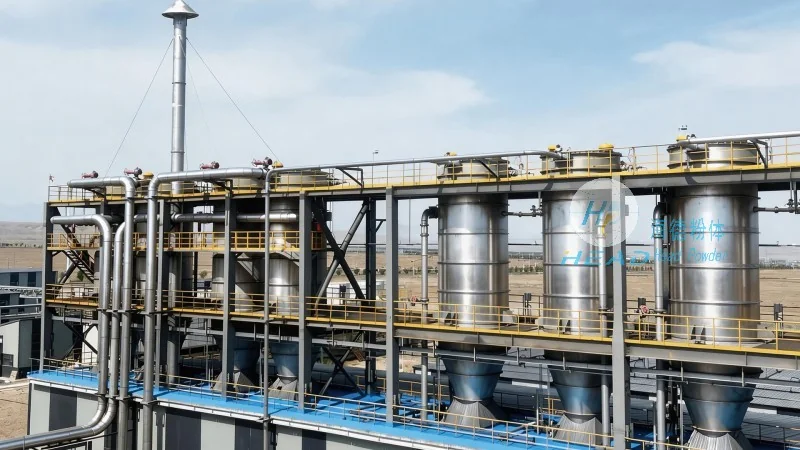
Customization and Scalability
Given the diverse applications of bentonite, conveying lines are often customized to meet specific operational requirements. This includes adjustments to the conveyor capacity, the type of equipment used, and the integration of additional features such as sampling ports or mixing units. The design also considers scalability, allowing the system to be expanded or modified as production needs evolve. This flexibility ensures that the conveying line remains effective and efficient over the long term, adapting to changes in material volume or processing demands.
Conclusion
In summary, a bentonite material conveying line is a sophisticated system designed to handle bentonite efficiently and safely. The design principles, including the selection of appropriate conveyor technology, effective dust control, and the integration of components that preserve material integrity, are critical to its success. By understanding these principles and the role of each system component, industrial operators can ensure reliable and consistent performance of their bentonite handling processes.