

What is a White Powder Material Conveying Line? And What Are Its Design Principles?
White powder material conveying lines are specialized systems engineered to handle the transportation of fine powders, such as white powders used in various industrial applications. These systems are critical in industries like pharmaceuticals, food processing, and chemical manufacturing, where precise and efficient material handling is essential for maintaining product quality and operational efficiency. The design of these conveying lines is tailored to address the unique challenges associated with handling powders, including dust control, material flow consistency, and equipment durability.
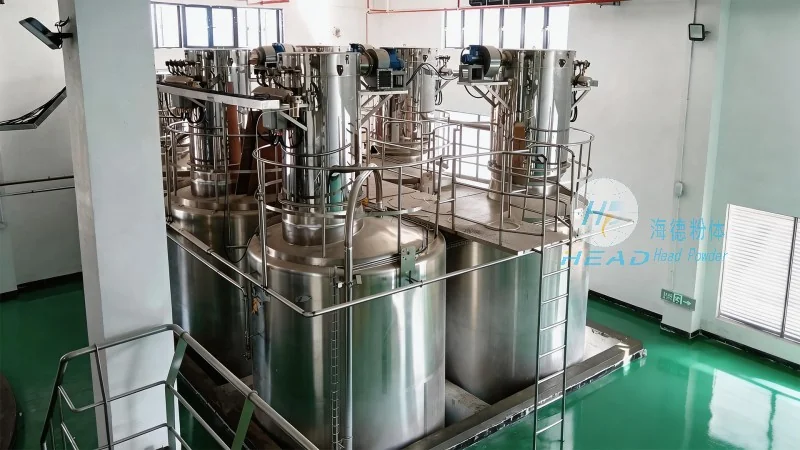
HeadPowder, a leading manufacturer based in Shandong, China, specializes in the design, manufacturing, and installation of high-quality white powder material conveying lines. With years of experience in the industry, HeadPowder has developed robust solutions that meet the stringent requirements of modern industrial processes. The company’s commitment to innovation and customer satisfaction has positioned it as a trusted partner for businesses seeking reliable material handling solutions.
Key Components and Design Principles of White Powder Conveying Lines
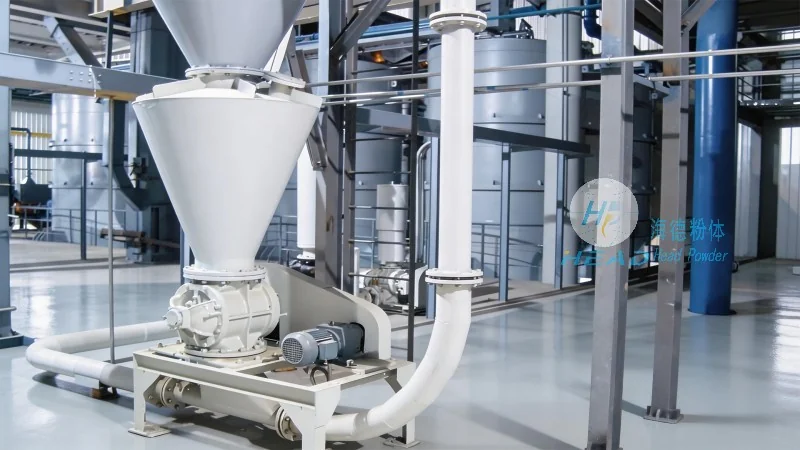
At the core of a white powder material conveying line is its design, which integrates several key components to ensure optimal performance. The primary components typically include a feeding system, a conveying mechanism (such as a screw conveyor, pneumatic conveyor, or belt conveyor), a control system, and a dust collection unit. Each component plays a crucial role in the overall functionality of the system. For instance, the feeding system ensures that the powder is introduced into the conveyor at a consistent rate, preventing blockages and maintaining flow stability. The conveying mechanism then transports the powder through the system, while the control system monitors and adjusts parameters like speed and pressure to maintain optimal operation. The dust collection unit is essential for maintaining a clean and safe working environment by capturing and filtering airborne particles.
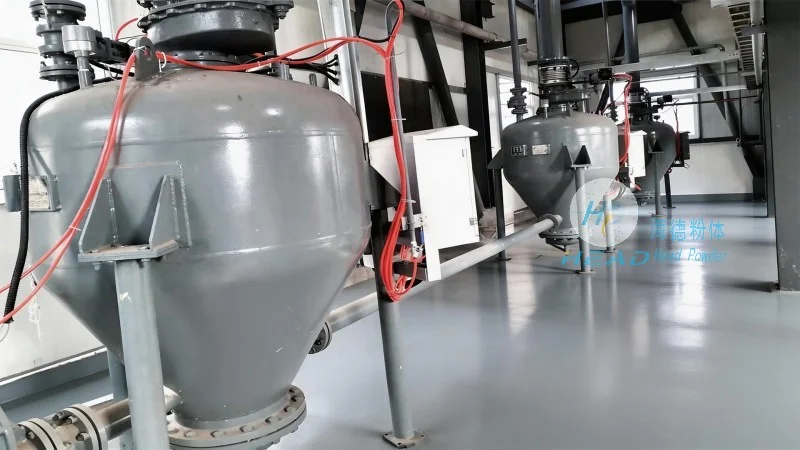
The design principles of white powder material conveying lines prioritize several key factors, including material compatibility, system efficiency, and operational safety. Material compatibility is a critical consideration, as different powders may require specific equipment materials (e.g., stainless steel or food-grade plastics) to prevent contamination and ensure product integrity. System efficiency is achieved through the use of energy-efficient components and optimized flow paths, which minimize energy consumption and maximize throughput. Operational safety is addressed through features like explosion-proof designs, emergency stop mechanisms, and regular maintenance protocols to ensure safe and reliable operation.
Applications and Advantages of White Powder Conveying Lines
One of the key advantages of white powder material conveying lines is their ability to handle powders with varying properties, such as different particle sizes, moisture content, and flow characteristics. This flexibility makes them suitable for a wide range of applications, from small-scale laboratory use to large-scale industrial production. For example, in pharmaceutical manufacturing, these systems are used to transport active ingredients and excipients with high precision, ensuring that the final product meets strict quality standards. In food processing, they are employed to handle ingredients like flour, sugar, and spices, maintaining hygiene and preventing cross-contamination. In chemical manufacturing, they are used to transport raw materials and finished products, supporting efficient production workflows.
HeadPowder’s approach to designing white powder material conveying lines is centered on understanding the specific needs of each client. The company works closely with customers to assess their material handling requirements, process parameters, and operational constraints. This collaborative approach ensures that the final solution is tailored to meet the unique challenges of each application. HeadPowder’s engineers utilize advanced design software and simulation tools to optimize the system’s performance, ensuring that it meets or exceeds industry standards for efficiency, reliability, and safety.
Factors to Consider When Selecting a White Powder Conveying Line
When considering a white powder material conveying line, several factors should be evaluated to ensure the right system is selected. These factors include the type and quantity of powder to be handled, the required throughput and speed, the available space for installation, and the environmental and safety regulations that must be adhered to. By carefully evaluating these factors, businesses can select a system that maximizes operational efficiency while minimizing costs and risks. HeadPowder provides comprehensive support throughout the selection process, from initial consultation to system installation and ongoing maintenance, ensuring that customers receive a solution that meets their long-term needs.
Conclusion: The Importance of White Powder Material Conveying Lines
In conclusion, white powder material conveying lines are essential equipment for industries that rely on the efficient handling of fine powders. The design principles behind these systems focus on material compatibility, system efficiency, and operational safety, ensuring that they can handle a wide range of powder types and meet the demands of modern industrial processes. HeadPowder, with its expertise and commitment to quality, offers reliable and innovative solutions that help businesses improve their material handling operations and achieve their production goals. Whether for pharmaceutical, food, or chemical applications, a well-designed white powder material conveying line is a critical investment in maintaining product quality and operational efficiency.