

What is a Plastic Powder Material Conveying Line? And What Are Its Design Principles?
Plastic powder material conveying lines are essential industrial systems designed to transport plastic powders from storage to processing equipment efficiently and safely. These systems are crucial in manufacturing environments where plastic powders are used as raw materials for various products, such as plastics, composites, and coatings. Understanding the components and design principles of these lines is vital for optimizing production processes and ensuring consistent material quality.
Key Components of the Conveying System
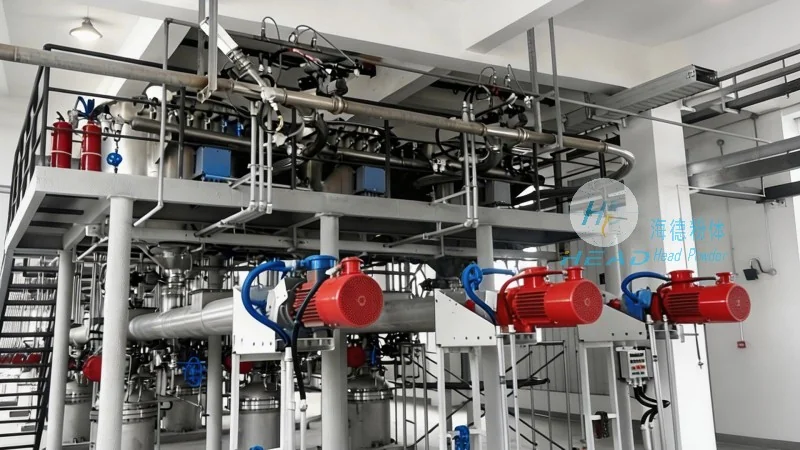
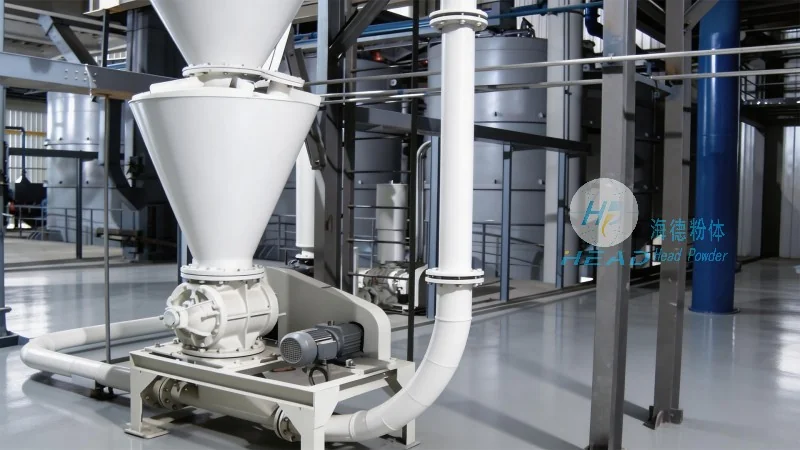
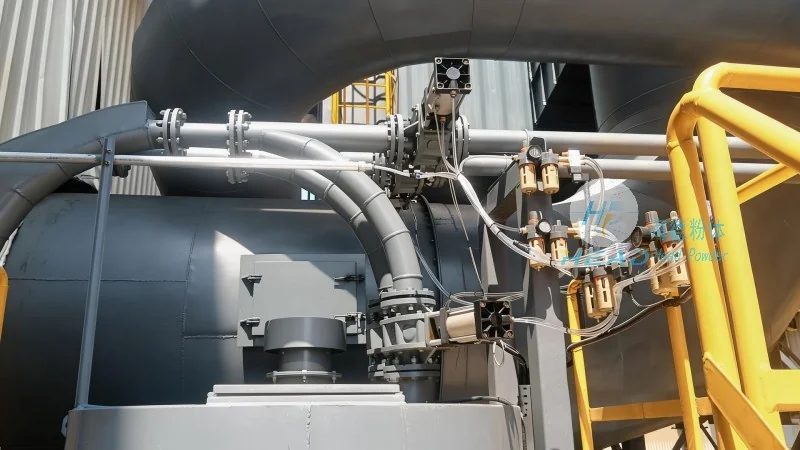
The core components of a plastic powder material conveying line typically include hoppers for material storage, feeders to control the flow rate, conveying mechanisms like screw conveyors or pneumatic systems, and control systems to regulate operation. Hoppers are designed to hold large quantities of plastic powder while minimizing material degradation. They often feature smooth, non-stick surfaces and are equipped with level sensors to monitor material levels. Feeders, such as rotary valves or vibratory feeders, ensure a consistent and controlled feed rate to the conveying system. These devices are critical for maintaining uniform material flow and preventing overloading or underloading of the conveyor. Conveying mechanisms vary based on the material characteristics and application requirements. Screw conveyors are commonly used for bulk material handling due to their reliability and ability to handle a wide range of plastic powders. They are available in different configurations, including horizontal, vertical, and inclined designs, to suit various layout requirements. Pneumatic systems, on the other hand, use air pressure to transport materials, which is ideal for fine powders that are prone to dust and contamination. These systems typically include air locks, filters, and dust collection units to ensure clean and safe operation. Control systems integrate sensors and automation to monitor and adjust the conveying process in real-time. They may include pressure sensors, flow meters, and temperature sensors to detect any abnormalities and trigger corrective actions. Automation features like PLC (Programmable Logic Controller) systems allow for remote monitoring and control, enhancing operational efficiency and reducing human error.
Design Principles for Efficient Material Handling
The design of a plastic powder material conveying line follows several key principles to ensure optimal performance. First, the system must be designed to minimize material degradation, which can occur due to friction, heat, or moisture. Proper material handling techniques, such as using smooth surfaces and maintaining low temperatures, are critical. For example, using stainless steel or food-grade materials for contact surfaces can prevent contamination and extend the life of the system. Second, the conveying system should be designed for easy maintenance and cleaning to prevent cross-contamination and ensure hygiene standards are met. Modular designs allow for quick disassembly and cleaning, reducing downtime. Features like removable liners and easy-to-clean hoppers are essential for maintaining product quality and regulatory compliance. Third, energy efficiency is a significant consideration. The system should use energy-efficient components and operate at optimal speeds to minimize power consumption. Variable speed drives on conveyors and feeders can adjust the speed based on the material flow, reducing energy waste. Finally, safety is paramount. The design must include features like dust collection systems, explosion-proof components, and emergency stop mechanisms to protect operators and prevent accidents. Dust collection systems are crucial for controlling airborne particles and maintaining a safe working environment. Explosion-proof components are necessary for handling flammable materials, ensuring the system is safe in hazardous environments.