

What is a Silicone Powder Material Conveying Line? And What Are Its Design Principles?
For industries dealing with silicone powders, efficient material handling is crucial to maintain product quality and operational efficiency. A silicone powder material conveying line is a specialized system engineered to transport these fine powders from one location to another within a production facility. This article explores the fundamental aspects of such systems, focusing on their design principles and key components that ensure reliable and safe operation.
Key Characteristics of Silicone Powder
Silicone powders, such as fumed silica or precipitated silica, possess unique properties that influence the design of their conveying systems. These powders are typically fine, with particle sizes ranging from nanometers to micrometers, making them prone to dusting, agglomeration, and caking. Additionally, their chemical stability and non-reactivity with many materials require specialized equipment to prevent contamination and ensure consistent flow. The design of a conveying line must account for these characteristics to avoid material degradation and equipment wear.
Core Components of a Silicone Powder Conveying Line
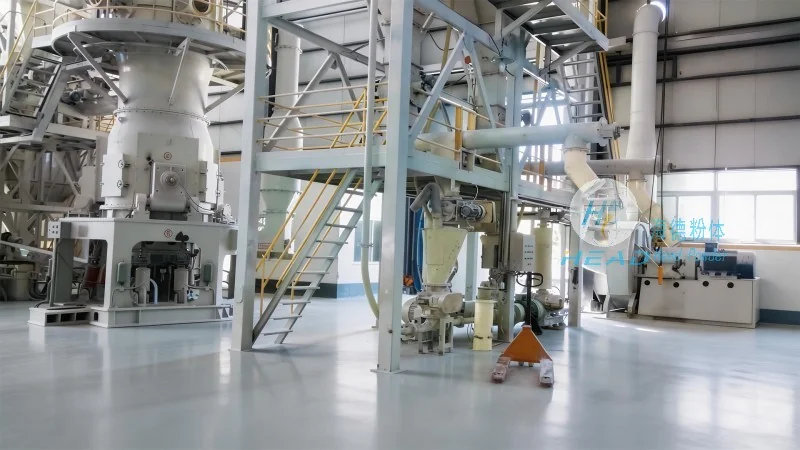
The effectiveness of a silicone powder conveying line depends on several critical components working in harmony. These include:
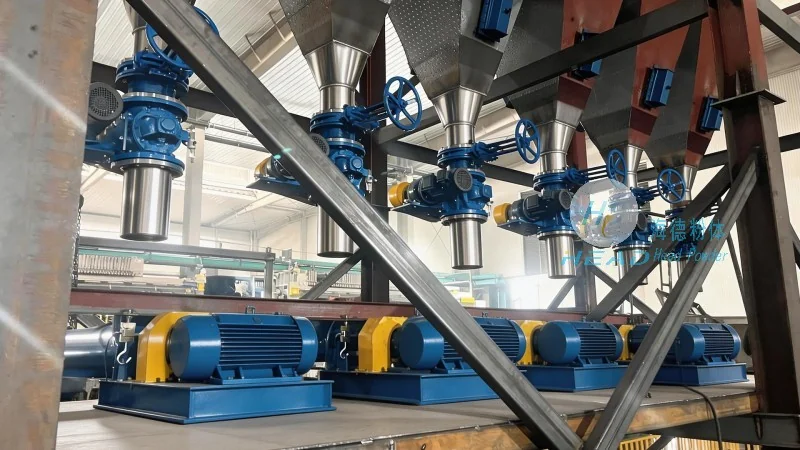
- Feeding Hoppers: These are designed to store and feed the silicone powder into the conveying system. They often feature aeration or vibration mechanisms to prevent material bridging and ensure a steady flow. The hopper design is tailored to the powder's characteristics, with smooth internal surfaces to minimize friction and prevent particle accumulation.
- Pneumatic Conveying Systems: Many silicone powder conveying lines utilize pneumatic technology, where air is used to transport the powder through pipes. This method is ideal for fine powders as it reduces mechanical wear and prevents product contamination. The system typically includes a blower, filter, and control valves to regulate air pressure and flow rates.
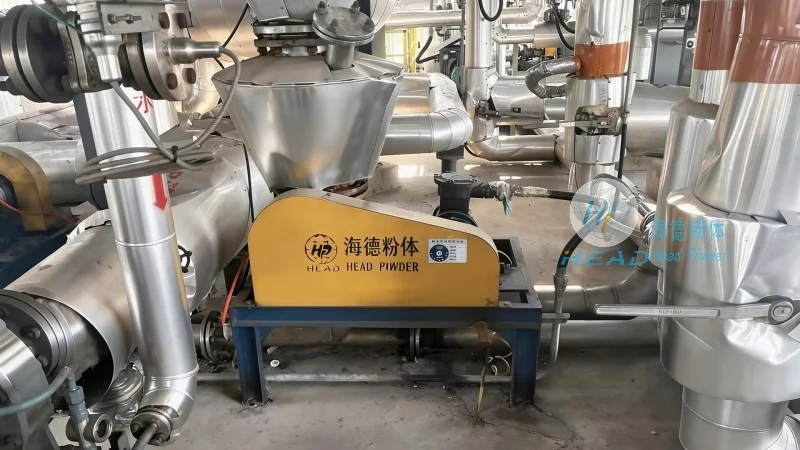
- Rotary Valves and Airlocks: These components are used to control the flow of powder from the hopper to the conveying line and to prevent backflow. Rotary valves, often equipped with air seals, ensure airtight operation, while airlocks maintain pressure differentials to facilitate smooth material transfer.
- Conveying Pipes and Fittings: The pipes used in silicone powder conveying systems are usually made of materials resistant to chemical corrosion and wear, such as stainless steel or PTFE-coated metal. The pipe diameter and length are carefully selected to minimize pressure drop and maintain consistent flow velocities, which is critical for preventing powder settling or blockages.
- Dust Collection and Filtration: Due to the fine nature of silicone powders, dust control is a key consideration. The system includes dust collectors and high-efficiency filters to capture and contain airborne particles, ensuring compliance with environmental regulations and maintaining a safe working environment.
Design Principles for Efficient Operation
The design of a silicone powder material conveying line follows several fundamental principles to ensure optimal performance:
- Minimizing Pressure Drop: Pressure drop is a critical factor in pneumatic conveying systems. The design aims to reduce friction losses by using smooth pipes, appropriate pipe diameters, and minimizing bends and fittings. This ensures that the system operates efficiently with minimal energy consumption.
- Preventing Agglomeration and Caking: Silicone powders can agglomerate under certain conditions, leading to blockages. The design incorporates features like vibration, aeration, and anti-static measures to prevent this. Additionally, the material of construction for hoppers and pipes is chosen to avoid material adhesion.
- Ensuring Airtightness and Contamination Control: The system is designed to be airtight to prevent powder leakage and to maintain consistent pressure. Materials used in components are non-reactive with silicone powders, and the system includes filtration to remove any contaminants that may enter the line.
- Adapting to Powder Properties: The conveying line is customized based on the specific properties of the silicone powder, including particle size distribution, moisture content, and flowability. This customization ensures that the system can handle the powder effectively without causing damage or degradation.
Applications and Benefits
Silicone powder material conveying lines are widely used in various industries, including pharmaceuticals, cosmetics, food processing, and industrial manufacturing. The benefits of such systems include:
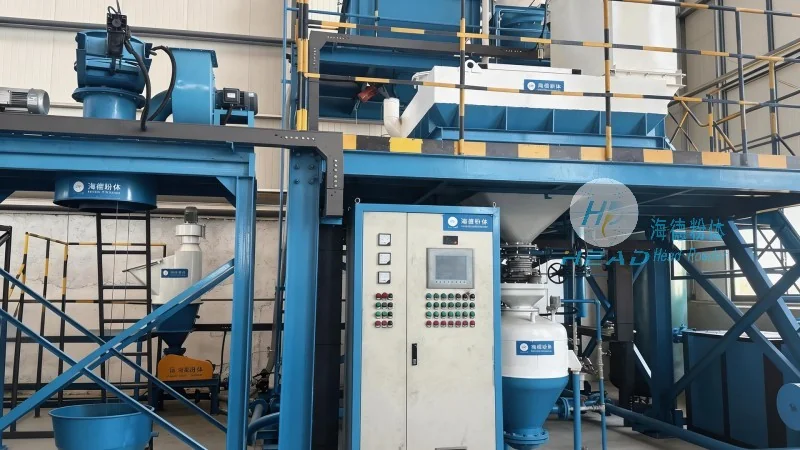
- Improved Product Quality: By maintaining a clean and controlled environment, the conveying line prevents contamination and ensures consistent powder quality, which is essential for downstream processes.
- Enhanced Operational Efficiency: Automated conveying reduces labor costs and minimizes downtime, leading to increased productivity and lower operational costs.
- Safe and Reliable Operation: The design focuses on safety features, such as dust collection and airtight systems, to protect workers and comply with safety regulations.
- Flexibility and Scalability: The system can be customized to accommodate different production volumes and powder types, making it suitable for both small-scale and large-scale operations.
Conclusion
A silicone powder material conveying line is a sophisticated system designed to handle the unique challenges of transporting fine silicone powders. By adhering to design principles that account for the powder's properties and operational requirements, these systems ensure efficient, safe, and reliable material handling. For businesses in industries that rely on silicone powders, investing in a well-designed conveying line is essential to maintain product quality, enhance operational efficiency, and comply with industry standards.