

What is a Sodium Carbonate Material Handling Conveyor? What are its Design Principles?
When it comes to industrial material handling, especially in the processing of chemicals like sodium carbonate, specialized equipment is essential for ensuring efficiency, safety, and consistent performance. A sodium carbonate material handling conveyor is a critical piece of machinery designed to transport this chemical efficiently through various stages of production. Understanding its design principles is crucial for industries that rely on sodium carbonate for manufacturing, such as glass, paper, and detergents. This article explores the components, functionality, and design considerations of such conveyors, providing insights into how they enhance operational effectiveness, often manufactured by companies like Shandong HeadPowder Engineering Co., Ltd.
Introduction to Sodium Carbonate Material Handling Conveyors
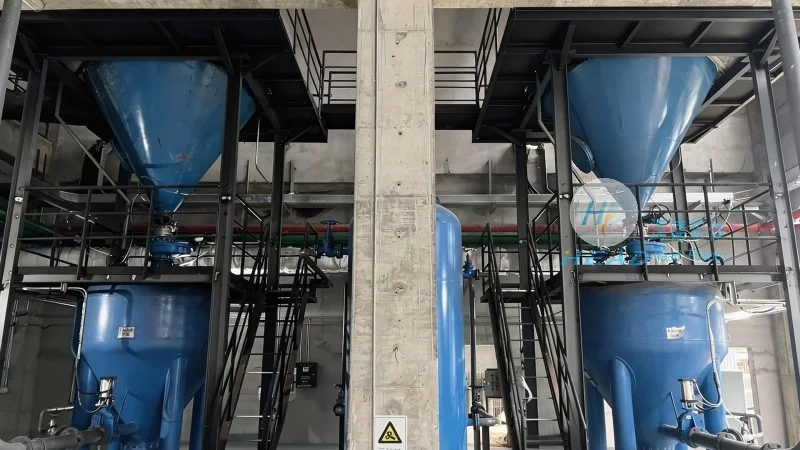
Sodium carbonate, commonly known as soda ash, is a widely used chemical in industrial applications. Its handling requires specialized equipment to manage its properties, including its granular or powder form, which can be abrasive and require controlled movement to prevent degradation or loss. The sodium carbonate material handling conveyor is engineered to address these challenges by providing a reliable system for transporting the material from storage to processing units. This equipment is typically integrated into larger production lines, working in tandem with other machinery to ensure seamless material flow. The design of such conveyors is tailored to the specific needs of sodium carbonate, which is often used as a key ingredient in various manufacturing processes, making it essential for maintaining production continuity and quality.
Key Components of a Sodium Carbonate Material Handling Conveyor
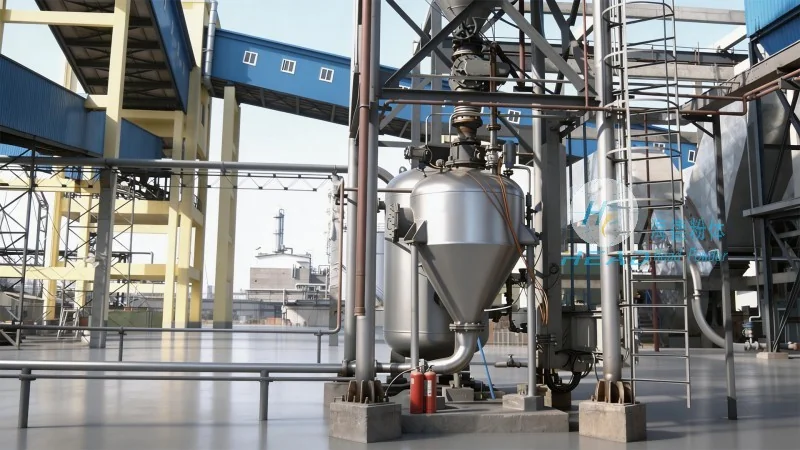
The design of a sodium carbonate material handling conveyor involves several key components that work together to achieve efficient material transport. These components include the conveyor belt or trough, which is often made of materials resistant to chemical corrosion, such as food-grade rubber or specialized plastics. The drive system, which may consist of motors and pulleys, provides the necessary force to move the material along the conveyor. Additionally, the frame and supports are constructed to withstand the weight and stress of the material being transported, ensuring durability and stability. Some designs may also include feeding mechanisms, such as hoppers or feeders, to control the flow of sodium carbonate into the conveyor system. These components are carefully selected and engineered to handle the specific characteristics of sodium carbonate, including its density, flowability, and potential for dust generation. The use of corrosion-resistant materials is particularly important, as sodium carbonate can be caustic and may degrade standard conveyor components over time.
Design Principles for Efficient Material Transport
The design principles of a sodium carbonate material handling conveyor are centered on optimizing material flow, minimizing friction, and ensuring safety. One key principle is the use of appropriate belt materials and surface textures to prevent material buildup and ensure smooth movement. For sodium carbonate, which can be prone to sticking, the conveyor belt may feature a non-stick coating or textured surface to enhance grip and prevent clogging. Another principle is the consideration of the material's flow properties, such as its angle of repose and bulk density, to determine the optimal slope and speed of the conveyor. This ensures that the material moves without excessive pressure or friction, reducing the risk of product degradation or equipment wear. Furthermore, the design incorporates safety features, such as guards and emergency stop mechanisms, to protect operators and prevent accidents during operation. The overall design is also focused on ease of maintenance, with accessible components that allow for quick cleaning and replacement of parts, minimizing downtime and maintaining consistent performance. These principles are critical for ensuring that the conveyor system operates reliably and efficiently in demanding industrial environments.
Application and Integration in Industrial Processes
Sodium carbonate material handling conveyors are commonly used in various industrial processes where the chemical is a key ingredient. In the glass manufacturing industry, for example, sodium carbonate is used as a flux to lower the melting point of silica. The conveyor system efficiently transports the soda ash from storage to the glass melting furnace, ensuring a steady supply of material. Similarly, in the paper industry, sodium carbonate is used as a processing aid, and the conveyor helps deliver it to the paper machines. The design of these conveyors is tailored to the specific requirements of each application, including the volume of material to be transported, the distance over which it needs to be moved, and the environmental conditions of the production facility. By integrating the conveyor into the production line, manufacturers can achieve improved efficiency, reduced labor costs, and enhanced product quality. The reliability of the conveyor system also contributes to overall operational stability, minimizing disruptions and ensuring that production targets are met. The integration of such equipment is often part of a larger material handling strategy, designed to streamline operations and improve overall productivity.
Maintenance and Operational Considerations
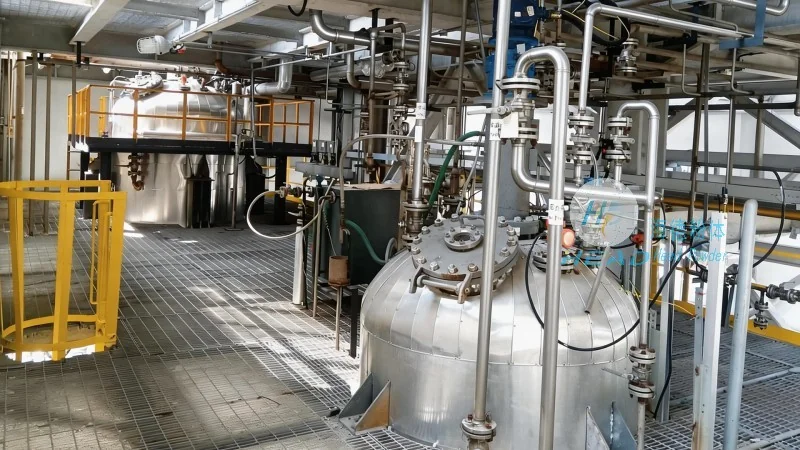
Proper maintenance is essential to ensure the longevity and performance of a sodium carbonate material handling conveyor. Regular inspections of the conveyor belt, drive system, and frame are necessary to identify and address any issues before they become major problems. This includes checking for wear and tear on the belt, ensuring that the drive system is functioning correctly, and verifying that the supports are stable. Cleaning the conveyor system is also important, especially when handling sodium carbonate, as the material can leave residue on the belt and components. This residue can affect the performance of the conveyor and may require specialized cleaning agents or methods to remove. Additionally, operators should be trained on the proper operation of the conveyor, including how to start and stop it safely, and how to handle any emergencies that may arise. By following these maintenance and operational guidelines, manufacturers can maximize the lifespan of their conveyor system and maintain consistent performance over time. The importance of regular maintenance cannot be overstated, as it directly impacts the efficiency and safety of the entire production process.
Conclusion
In conclusion, a sodium carbonate material handling conveyor is a vital piece of equipment for industries that rely on this chemical. Its design principles are centered on efficiency, safety, and durability, with components carefully selected to handle the specific properties of sodium carbonate. By understanding the design and operation of such conveyors, manufacturers can improve their production processes, reduce costs, and enhance product quality. The integration of these systems into larger production lines ensures seamless material flow, contributing to overall operational effectiveness. As industries continue to advance, the importance of specialized material handling equipment like the sodium carbonate conveyor will only grow, making it an essential investment for any company operating in this sector. The expertise of companies like Shandong HeadPowder Engineering Co., Ltd. in designing and manufacturing such equipment plays a crucial role in meeting the evolving needs of industrial clients.